Maybe there’s a reason “upsell” has become a dirty word—and it might be your fault.

Service Writing Tip: Justify Your Recommendations
read more



Maybe there’s a reason “upsell” has become a dirty word—and it might be your fault.
On a Sunday morning last May, the day before the planned start of a long-awaited vacation highlighted by a 1,200 mile road trip, I awoke to find a very slow but very obvious leak on one of the very expensive performance tires on my fancy SUV. My first and only call was to one of the only repair centers open on Sundays, a nearby outpost of one of those discount tire chains with a zillion locations within shouting distance of most Americans who aren’t hiding from the law or prepping for a zombie apocalypse.
“We’re slammed, but if you come at three o’clock, we can fit you in,” replied the pleasant voice at the other end of my panicked call. So off I went, stopping en route to inject $1.50 worth of air into my SUV’s bad shoe and celebrate the marvel of an American free enterprise system that has monetized air, the free-est of all Earth’s resources.
After checking in at the counter and handing over my key, I settled into a comfy chair in the store’s austere but clean lounge, logged my laptop into the free Wi-Fi, and took a few minutes to survey my surroundings: four busy service bays, each with at least one other vehicle on deck. Four customers, including yours truly, waited for their repaired vehicles to emerge from one of those bays. A steady trickle of customers came and went, all of whom were apparently afflicted by some 11th-hour automotive failure that torpedoed their Sunday plans.
When it was my turn at the counter to settle my bill for my plugged tire—a shockingly measly $29.99 plus tax—I asked the manager on duty if he’d ever considered charging a premium for emergency repairs like mine. I prefaced the odd question by thanking him for fitting me in the schedule, adding that I expected and was willing to pay more than I was charged for the fast and professional service his store provided.
The young man naturally looked a little stunned. First, I assume because shop managers rarely hear about what they’ve done well, and second, because it’s likely it was the first time in his life that a customer expressed interest in paying more than he was charged. I quickly assured him that I wasn’t a lunatic by explaining that I wrote for Shop Press and that I was sniffing a potentially interesting story about my positive experience.
His answer to my question would’ve made the honchos at his corporate headquarters proud: “We’re not here to inconvenience people, we’re here to help them get back on the road. We charge the same prices regardless of what day the repairs are done to make sure we satisfy our customers.”
That reply wasn’t regurgitated corporate-speak. It was very obviously a sincere and remarkably articulate elevator pitch from a guy who was looking at me the way a fawn stares at your oncoming headlights at dusk. It was in fact a spot-on accurate explanation of the Humongous Tire Stores, Inc. business model.
In other words, perfect. For them. But not for you
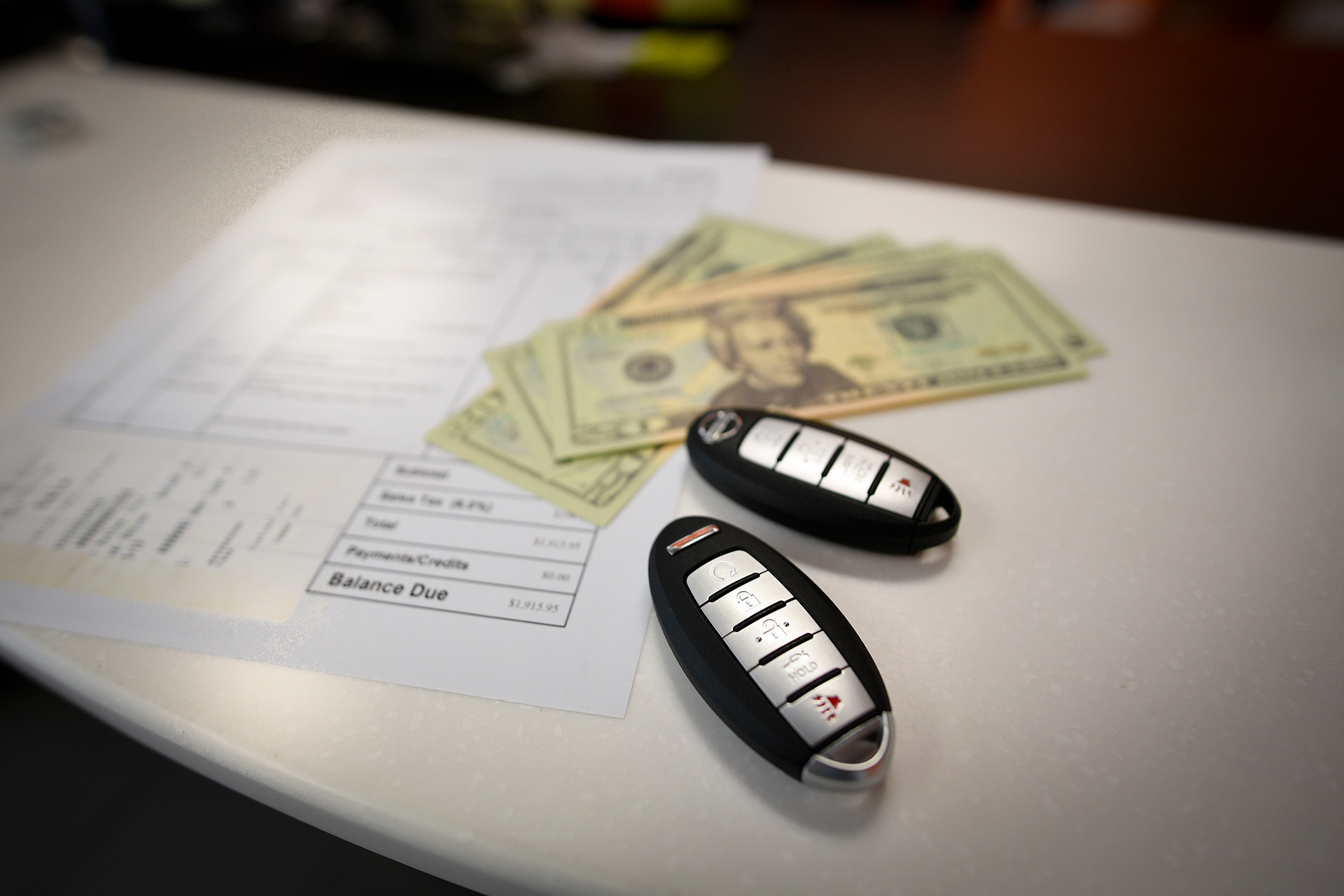
Some customers will pay premium prices for priority service. Photo: Mike Apice.
Stores like the one that came to my rescue are usually part of large regional or national networks and by design typically provide a limited scope of auto repair services. They’re focused on transaction volume and driven by acquisition: The network that owns my local store has been growing rapidly, gobbling up smaller tire repair chains like Joey Chestnut eats hot dogs. With more than 2,000 locations and billions in revenue, they are what used to be called a “category killer” back when Staples came out of nowhere to crush your local office supply store, only to be similarly crushed itself decades later by the tsunami of ecommerce. (Turns out that the “circle of life” in the retail world is just as brutal as the one that traumatized your childhood in “The Lion King,” accompanied by that damned theme song that I can’t get out of my head.)
Odds are that you, Mr. Independent Shop Owner, are none of those things, nor do you have a platinum-selling jingle warbled by Elton John to promote your business. Your single shop or handful of service center is/are thriving by offering a broad array of repairs while continuously adapting to the sometimes maddening dynamics of those diverse services and the automotive industry at large. You have a steady flow of regular customers who’ve come to trust your work, and you’re steadily building a business based on referrals from those happy regulars.
Your top priority is customer satisfaction that leads to higher invoice values; transaction volume is at best your second objective. Consequently, you can’t afford to make it normal practice to charge customers weekday repair rates for basic but nonetheless car-crippling repairs on a Sunday or a holiday. Any reasonable human being not infected with Advanced Self-Centered Syndrome (yes, the acronym is ASS—you read it here first, folks) has no right to expect otherwise. But I contend that if you aren’t offering optional rush services in exchange for premium prices or a flat emergency fee, you could be missing out on nice bump in sales and profits with no increase in your shop’s fixed costs.
I would have gladly paid my trusted local independent shop more—much more, truthfully, than the thirty bucks I was charged by the discount tire center—if I knew going in that I would be charged a higher price for same-day service. I guarantee you I’m not alone and here’s why: My Sunday repair saved me an entire day of what would have been irretrievably lost vacation time and travel. If an independent local shop offered the same service, told me I’d be paying a premium “rush service fee” for the work, fixed my vehicle as promised and presented me with a bill that totaled twice or more than the published normal prices, I’d have whipped out my credit card faster than my daughter does on Black Friday. But they didn’t and I couldn’t because that “local shop” is a unicorn in my neck of the woods.
Are your doors closed to after-hours profits?
Not convinced of the logic here? Worried that you’d be establishing some kind of awful, business-killing precedent by selectively charging more than the conventional wisdom says you should? Try finding another professional service that charges conventional rates on Sundays, holidays, or even during high-volume business hours.
Let’s see…break a bone or need stitches? It’s the high-copay Emergency Room or urgent care center for you, not your weekdays-only family doc. Dog or cat need immediate vet care? Off to the E.R. for your furry friends, too, ka-CHING. Need to catch a last-minute flight to just about anywhere? Or an Uber or Lyft back home from the airport during rush hour Friday after your flight lands—assuming you have any money left after paying for the jacked-up airfare? Ever call a plumber to fix a leaking pipe on Thanksgiving Day, expecting that your bill would be the same as it would have been the Wednesday before? Dream on. Hell, even babysitters charge emergency rates, although nobody refers to ‘em that way; just try to book one on February 13th for the evening of February 14th. Better prepare to pony up big, because nothing says “romance” like a last-minute DoorDash delivery of cheeseburgers and fries on Valentine’s Day.
Still not sold? Then maybe you’ll believe good ol’ Uncle Sam, who insisted that you offered an essential service just a few years ago when Covid-19 forced many other businesses to temporarily limit or cease operations. With those pandemic-related closures long in the rearview mirror, are your skills any less essential now that drivers are actually, um, driving again?
I’m not suggesting you charge premium rates for rush work without due consideration of the obvious required logistics of staffing needs, the complexity of emergency repair services you can and can’t provide, and what defines and merits “rush” or “emergency” service in the first place relative to your customers and market. What informs those considerations will vary from shop to shop. But I’d suggest you avoid paralysis by analysis here—the decision to move forward or not shouldn’t be all that difficult. A little bit of introspection about your shop and your personal ambitions is probably all it takes to decide if it’s worth your time and money to take the leap.
Last and definitely not least: I’m a capitalist, not a barbarian. Profits and kindness are not mutually exclusive. There will always be unique situations presented by customers who are struggling financially and need their dying vehicle fixed just enough to limp through another day. If you’ve already earned the trust and goodwill of your community enough to build a successful shop, you don’t need my help to figure out how and when to pay forward your good fortune.
The articles and other content contained on this site may contain links to third party websites. By clicking them, you consent to Dorman’s Website Use Agreement.
Maybe there’s a reason “upsell” has become a dirty word—and it might be your fault.

Do you favor margin or revenue?
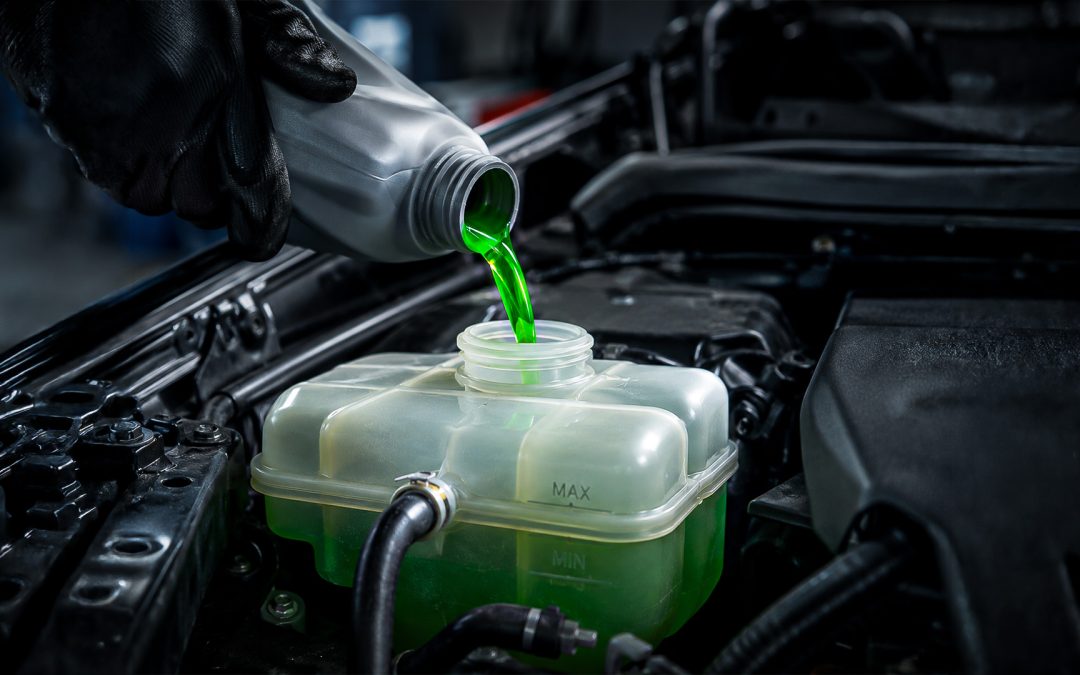
Customers don’t realize it needs attention. Sadly, many mechanics don’t, either.
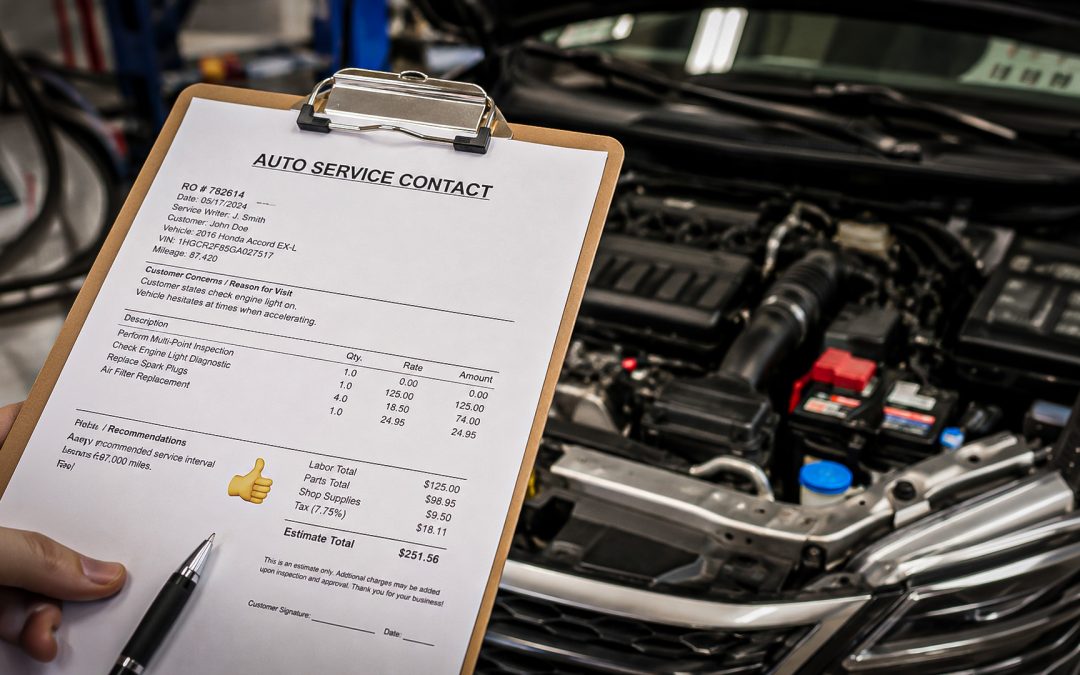
Casual communication can have formal consequences.
If you have to have them in the shop, endeavor to make politics polite.
Real estate is an investment—make yours start earnin’.
Participation in this forum is subject to Dorman’s Website Terms & Conditions. Please read our Comment Policy before commenting.