Do you favor margin or revenue?
Is an Appointment-Only Shop Schedule Wise or Madness?
read more



Do you favor margin or revenue?
Nearly every conceivable version of the internal combustion engine has made its way to the Indy 500. But it was a 1931 entry of a rather unusual type that made it into the record books as the first to complete the entire 500-mile race without a pit stop. That entry wasn’t a new gasoline design, nor did it use an exotic fuel. That entry, driven by Dave Evans, was a Cummins Diesel Special. The car was never expected to be competitive and was allowed to enter as a “special engineering” entry as long as it could post at least an average of 70 mph per lap.
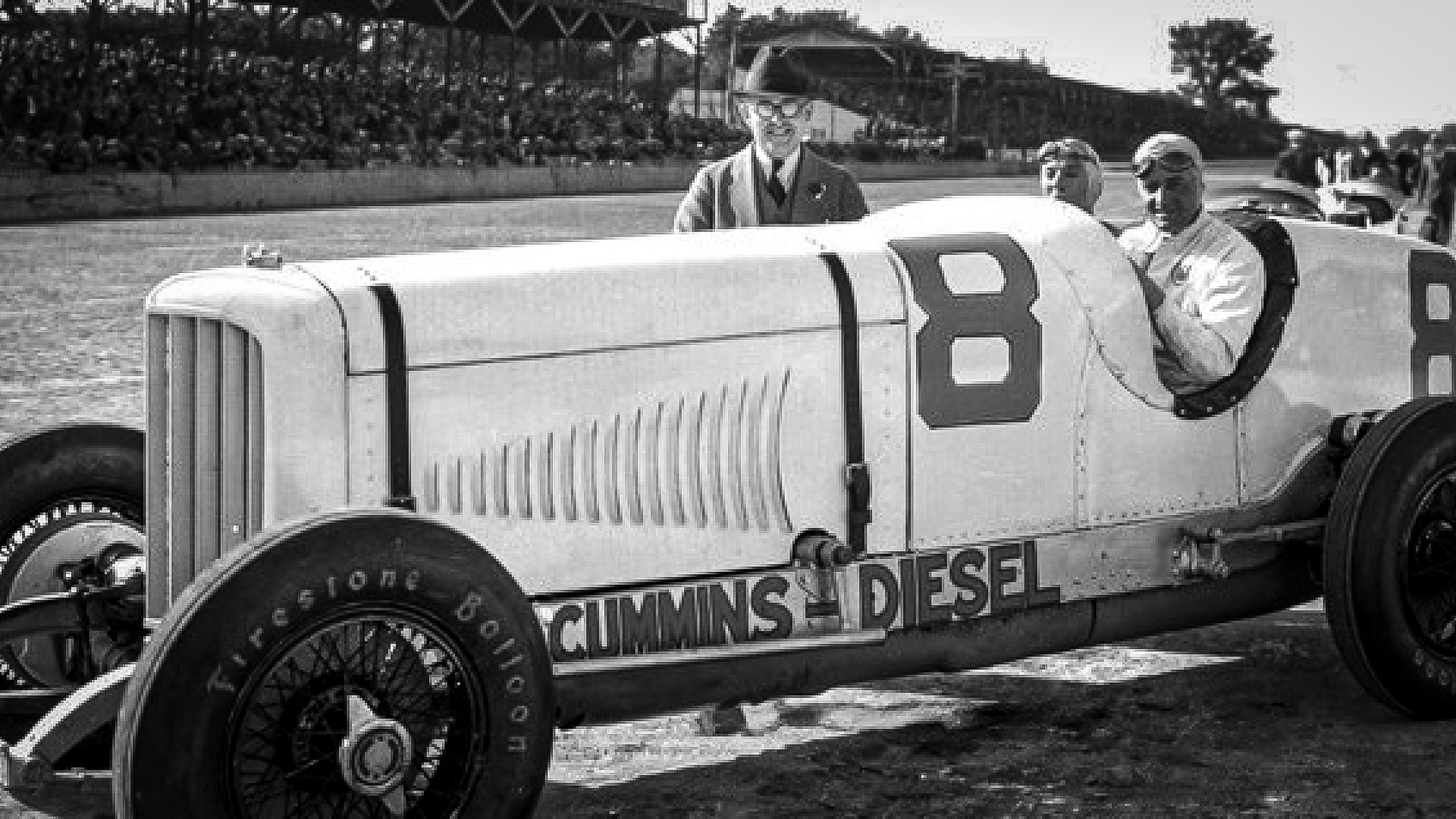
Clessie Cummins stands behind the Cummins Diesel Special #8 entered in the 1931 Indy 500. Dave Evans and Thane Houser are in the cockpit. Note the racer’s height. Photo: IMS image.
The Cummins Special did better than that, qualifying at 96.871 miles per hour and posting a post-race total for fuel and lubricant expense of only $2.40. That’s only around $50 today!
Diesels have made themselves known in other racing arenas since then. Le Mans, Formula 1, drag racing, and nearly every motorsport (except NASCAR) have seen diesel-powered entries establish new records and win races. In 1978, the Mercedes C 111-III, powered by a five-cylinder in-line turbodiesel engine, set nine world records, including an average speed of 319 km/h over a distance of 1000 miles at the Nardò high-speed circuit in southern Italy. With turbocharged diesels gaining strength by the ’90s, more began competing in the touring car scene, with BMW winning the 24 Hours of Nürburgring in 1998 with a 320d. In 2002, a Cummins-powered truck hit the Bonneville Salt Flats and became the world’s fastest pickup with a top speed of 222 miles per hour. And it towed its own support trailer to the Flats!
The articles and other content contained on this site may contain links to third party websites. By clicking them, you consent to Dorman’s Website Use Agreement.
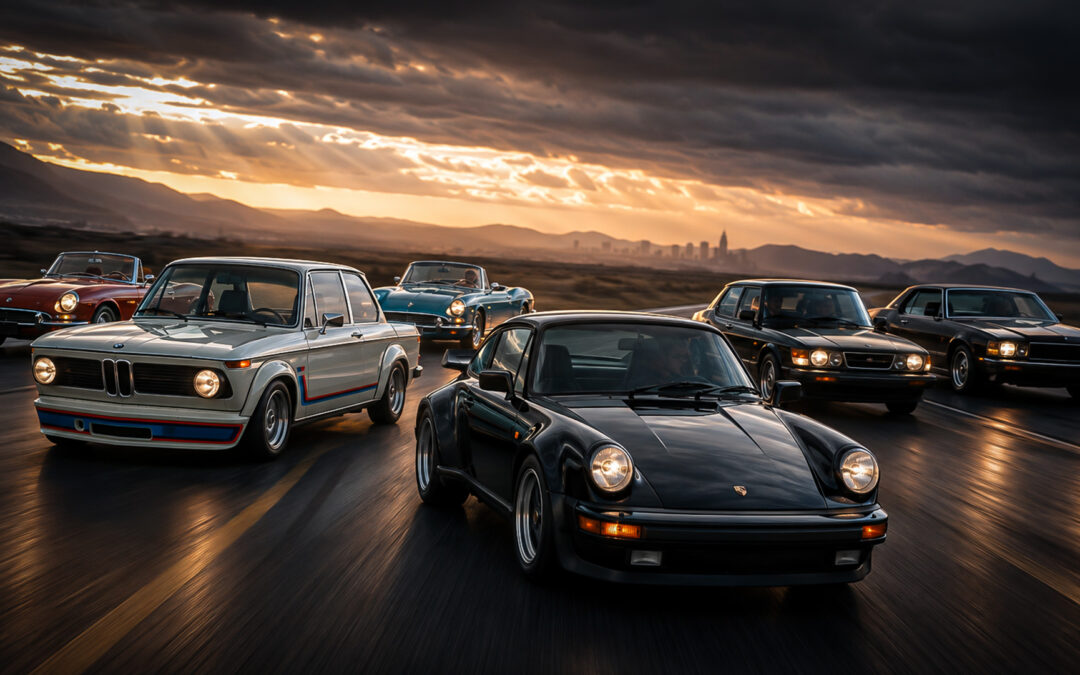
Here are eight cars that paved the way for modern engines.
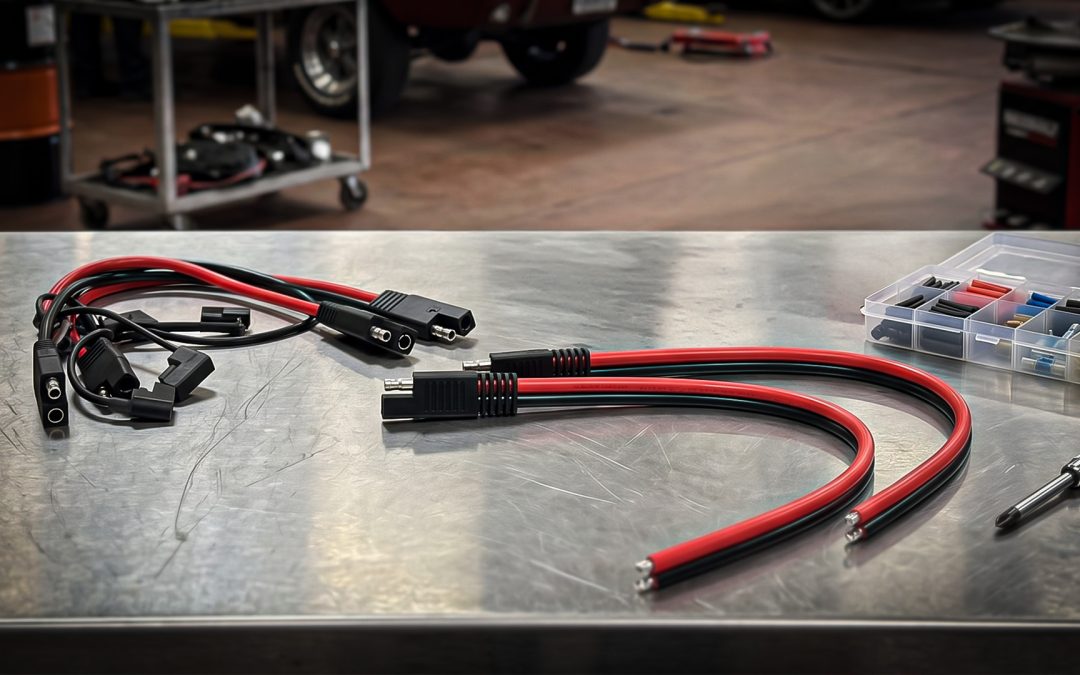
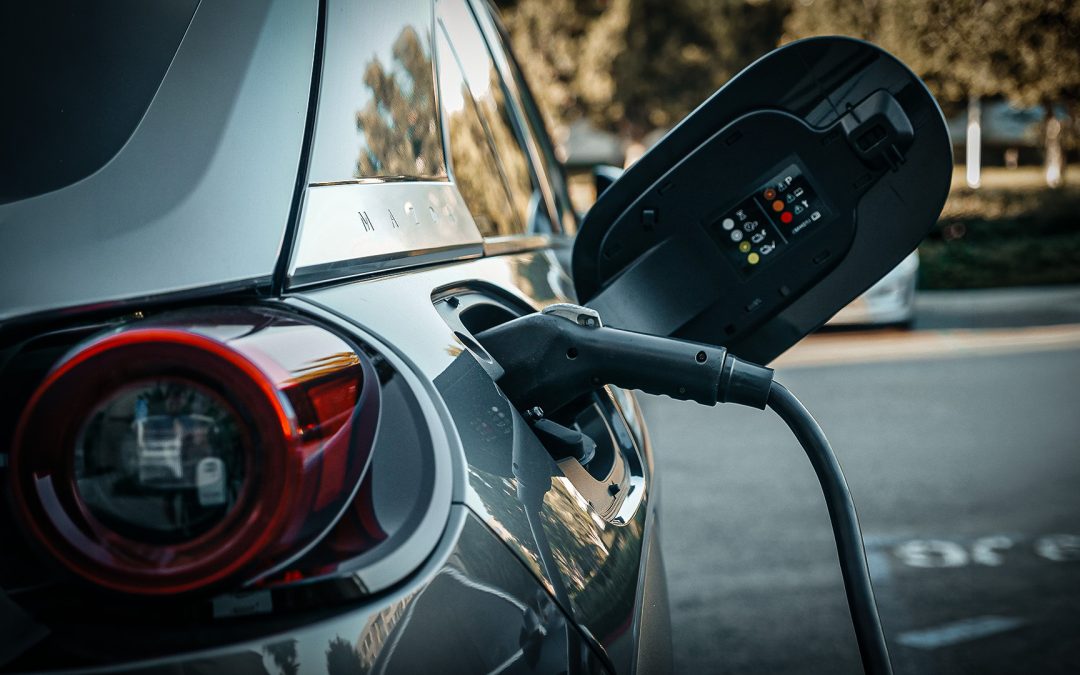
Ostensibly simplistic for casual users, the SAE plug is often an accident waiting to happen.
If it ain’t broke, don’t try to fix it.
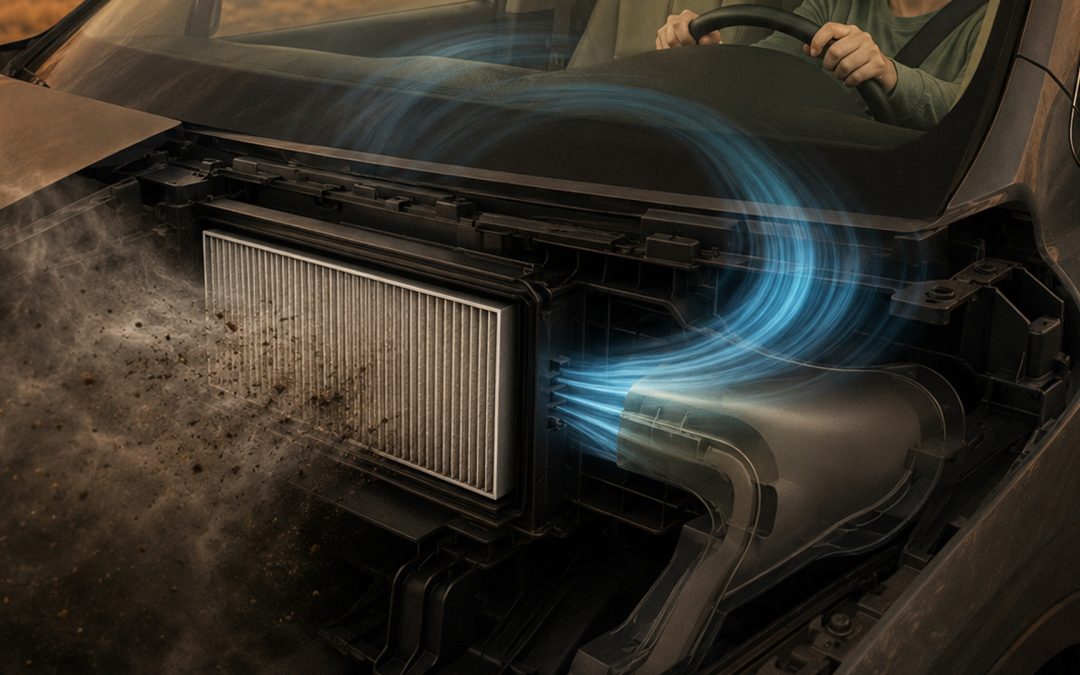
Can a vehicle’s air filtration help keep you safe from wildfire smoke and poor air quality?
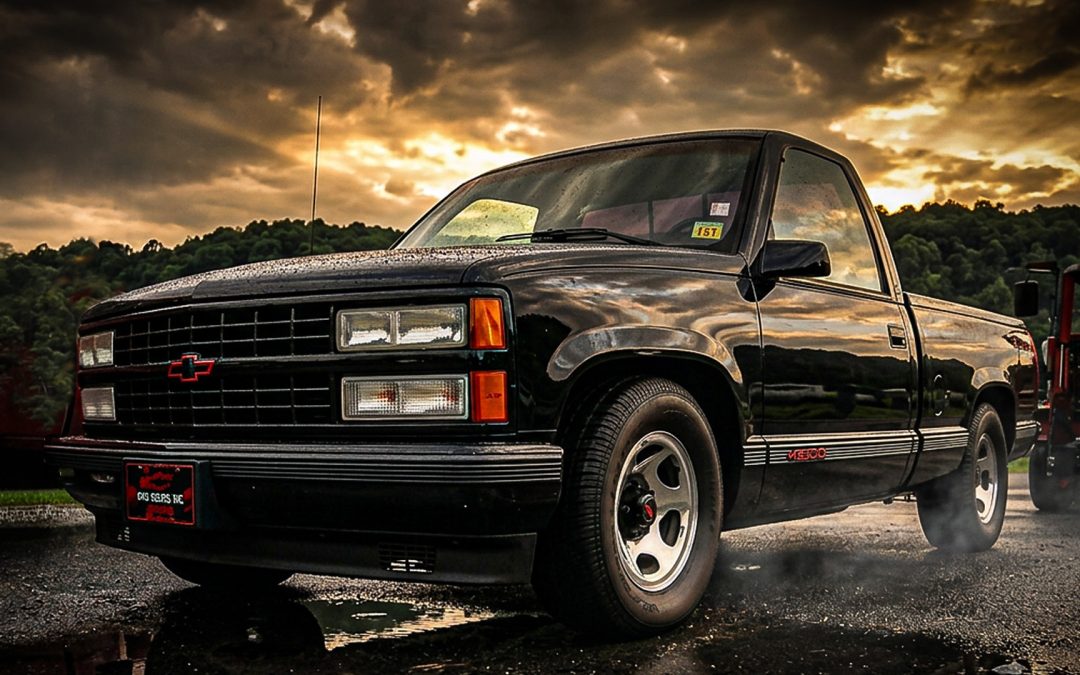
The 454 SS combines the time capsule looks of the GM GMT400 platform with an entertaining drive that harkens back to the muscle car heyday.
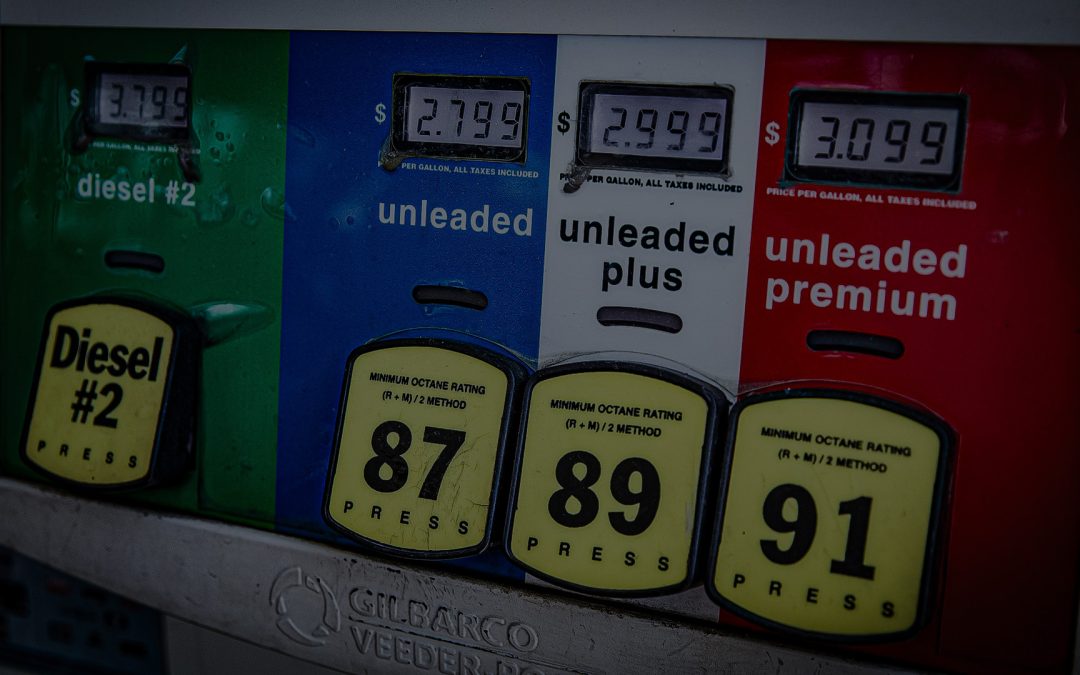
Spoiler alert: yes!
Participation in this forum is subject to Dorman’s Website Terms & Conditions. Please read our Comment Policy before commenting.