Maybe there’s a reason “upsell” has become a dirty word—and it might be your fault.

Service Writing Tip: Justify Your Recommendations
read more



Maybe there’s a reason “upsell” has become a dirty word—and it might be your fault.
I love investigating specific subcultures, especially car subcultures. Doing so provides a unique lens through which to understand the complex dynamics of the broader society, including power, identity, defiance, and cultural change. Consider slab cars, for example.
Slab cars are more than just customized automobiles; they are a vibrant cultural phenomenon, a unique form of folk art, and a staple of Houston, Texas’ identity, particularly within its African American communities. The term “slab” is an acronym for “Slow, Loud, and Bangin’,” referring to the cars’ laid-back cruising style, high-powered stereo systems, and the loud, chopped and screwed music (a style of slowed-down, bass-heavy hip-hop) played from them.
A true slab is instantly recognizable by several defining features that elevate older, full-sized American sedans—typically Cadillacs, Buicks, Lincolns, and Oldsmobiles—into rolling works of art. (Cadillacs are a particularly popular choice because they were the only manufacturer that would sell cars to the Black community during the Great Depression, creating generational brand loyalty.)
Slab culture first emerged in Houston’s predominantly Black working-class neighborhoods during the early to mid-1980s. The customized vehicles were visible representations of success and artistic outlets during a time of economic struggle. The style was partly inspired by the opulent “pimpmobiles” of 1970s Blaxploitation films.
The culture solidified and expanded in the 1990s as it became deeply intertwined with the city’s burgeoning hip-hop scene. DJ Screw’s pioneering “chopped and screwed” style perfectly complemented the ritual of “riding slab:” cruising slowly and deliberately to be seen and heard.
Although slabs are a product of a specific culture, any enthusiast of older vehicles can relate to the challenge of keeping old full-size American sedans on the road. Add in the extra challenge that slab cars are highly modified with paintwork, chassis modification, custom interiors, sound system installation, electronics, hydraulics, and more, and slabs surely provide a unique case study for any devotee of older vehicles.
Today, slabs continue to symbolize pride, self-expression, and community identity within Houston. Slab lines (car clubs) often cruise together in a rhythmic procession, weaving in and out of lanes, a practice known as “swangin’.” They are a form of living heritage, with older enthusiasts passing the tradition and craft down to younger generations.
The articles and other content contained on this site may contain links to third party websites. By clicking them, you consent to Dorman’s Website Use Agreement.
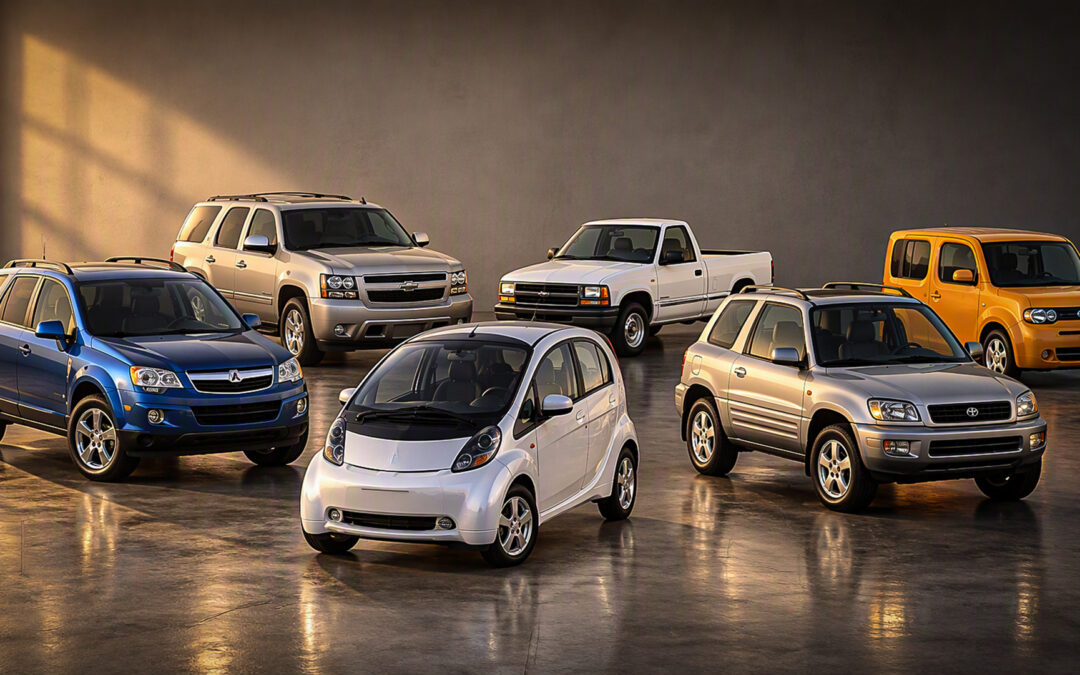
EVs and hybrids that time forgot.
It’s not just you. This job ain’t what it used to be.
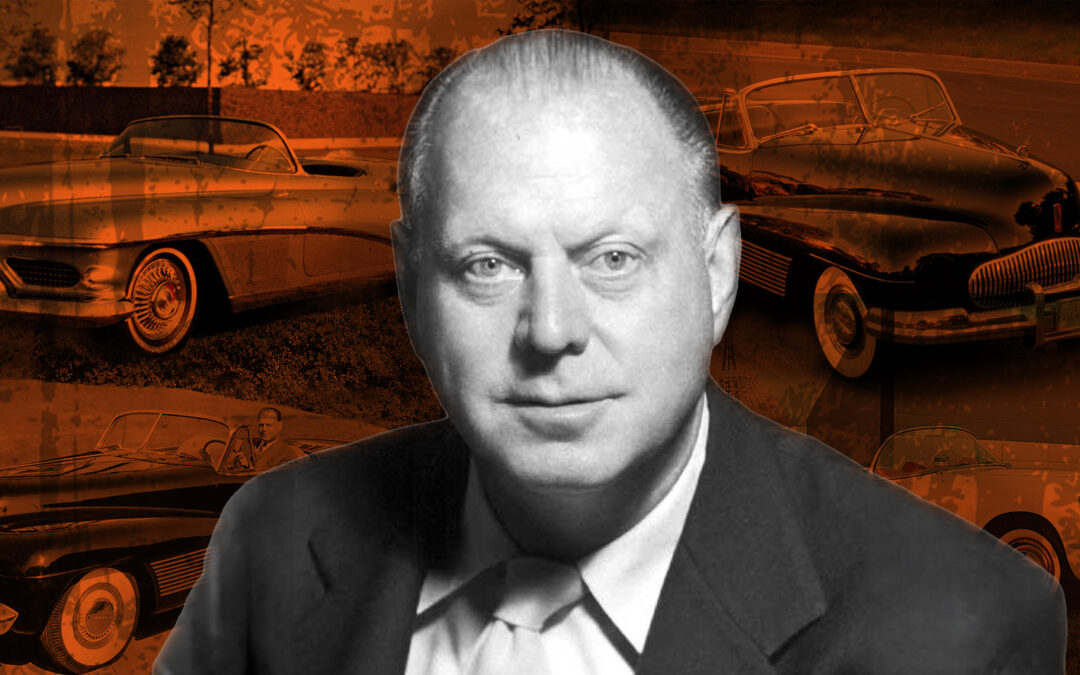
As General Motors’ first design chief, Harley Earl transformed the automobile from a machine into a cultural icon.
Aging roads and infrastructure might play a role in planning your shop’s future business.
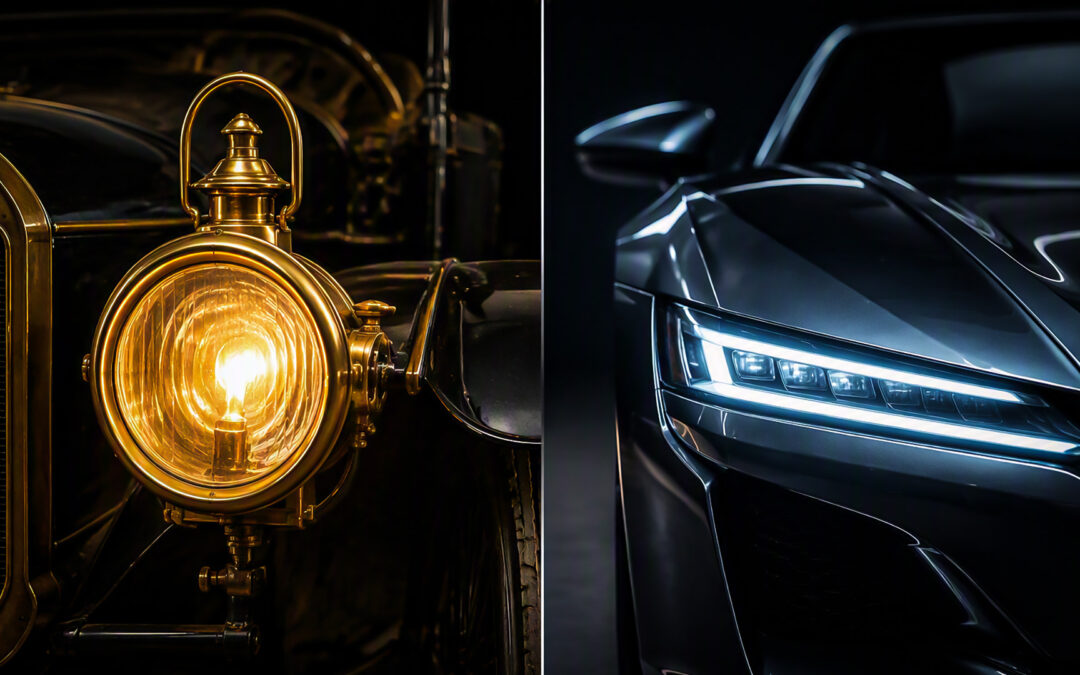
You may not think it, but automotive lighting has come a long way.
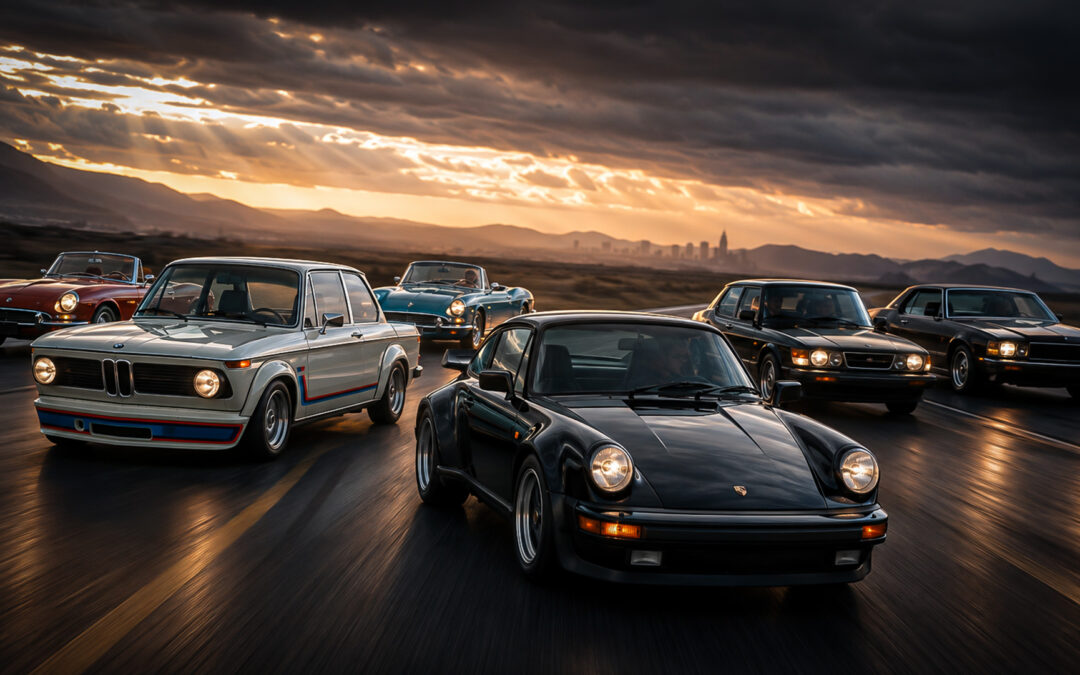
Here are eight cars that paved the way for modern engines.
Participation in this forum is subject to Dorman’s Website Terms & Conditions. Please read our Comment Policy before commenting.