Do you favor margin or revenue?

Is an Appointment-Only Shop Schedule Wise or Madness?
read more



Do you favor margin or revenue?
If you’re like me, you might cringe a little. More often than not, they’re hoping this magical procedure will fix some mysterious issue with their car. But let’s break it down: what is a tune-up, anyway?
Most dictionaries describe a tune-up as “a general adjustment to ensure operation at peak efficiency.” Sounds great, right? But hold on—doesn’t the engine control module (ECM) already handle that? It’s constantly monitoring things like timing and fuel mixture to keep the engine running smoothly. So, are we just selling customers a service their car is already doing on its own?
Back in the day, things were different. Cars had mechanical parts like ignition points and carburetors that required regular tweaking. Every 15,000 miles or so, we’d clean or replace those points, reset their gaps, and adjust the engine timing. Carbureted engines needed their idle mixture, speed, choke, or accelerator pump tuned up, too. But now? The ECM takes care of all that. So why are we still offering tune-ups?
The answer lies in the stuff that still wears out. Spark plugs get worn, air filters get clogged, and belts loosen up over time. If the goal of a tune-up is to keep the car running at its best, today’s version should focus on replacing those wear-and-tear items and helping customers extend the life of their vehicles.
Some shops go beyond the classic tune-up and offer package deals to help customers maintain their cars. You’ve seen those menu boards—everything from a basic oil change and tire rotation to “30-60-90” services that include coolant and transmission fluid maintenance. These packages let customers pick what fits their car’s needs and their budget. But here’s the catch: these one-size-fits-all packages might include too much or too little for a specific vehicle.
A better approach for the consumer? Create a customized maintenance plan based on the manufacturer’s recommendations. You can find these schedules in the owner’s manual or through aftermarket services like Identifix, which makes it easy to tailor a plan to a car’s make, model, and mileage. It’s a win-win: you’re offering exactly what the car needs, and it’s backed by the manufacturer’s own advice.
Oh, and one more thing—most manufacturers list two schedules: one for “normal” driving and one for “severe” conditions. Here’s what one automaker says qualifies as severe:
Sound familiar? I bet most of us hit at least one of those conditions regularly. So, when in doubt, recommend the severe schedule to keep that car running like a dream.
Since a tune-up is supposed to be a general adjustment to ensure operation at peak efficiency, it involves a lot more than just throwing in some new spark plugs. Here’s a rundown of some practical tips to help your customers keep their cars in top shape.
Filters
Always check the filters during a service. I know some air filters are a pain to reach, but a clogged one can still cause drivability issues. Plus, dirt sneaking past the filter can mess up the engine and oil. Don’t forget fuel filters—they protect the injectors—and cabin air filters, which keep the cabin air fresh and protect the evaporator from debris that could cause corrosion.
Fluids
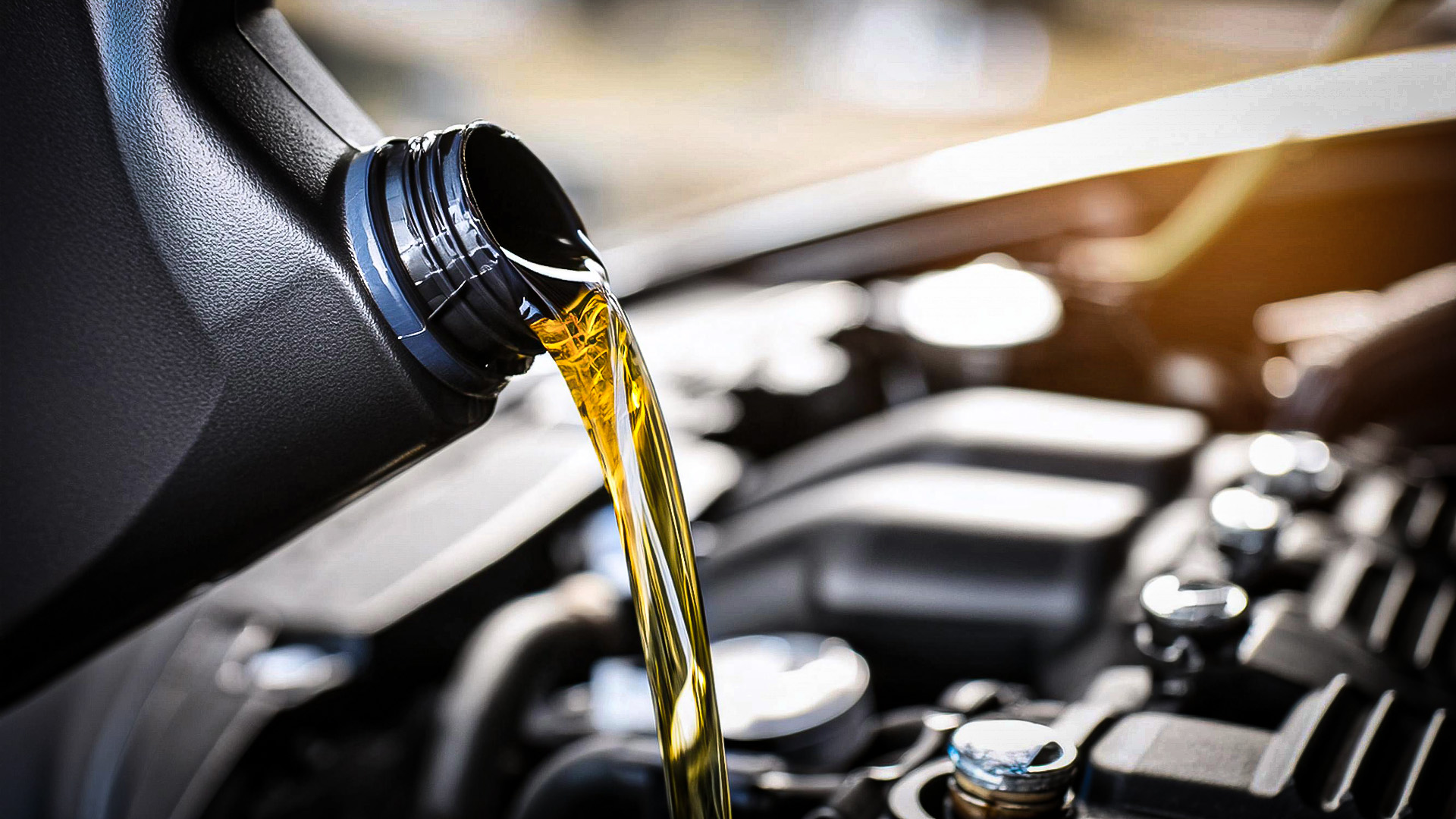
Everyone knows about oil changes, but other fluids are just as crucial. Transmission fluid? Pink is good, brown is bad. Simple enough. For coolant, grab a specialized test strip to check its condition. Brake fluid can also be tested with strips to show when it’s time for a change. Power steering, differential, and transfer case fluids should be checked based on condition or mileage. Remind customers that maintaining these fluids is way cheaper than repairing the components they protect. And please, no “drain and fills”—use proper fluid service equipment for a thorough job.
Lubrication
Those grease fittings on suspension components? They’re there for a reason. Even though they’re less common now, many cars still have at least a few of them. Lube them up during an oil change, along with any driveshaft u-joints. Want to impress your customer? Take a minute to lubricate door, hood, and trunk hinges too.
Ignition
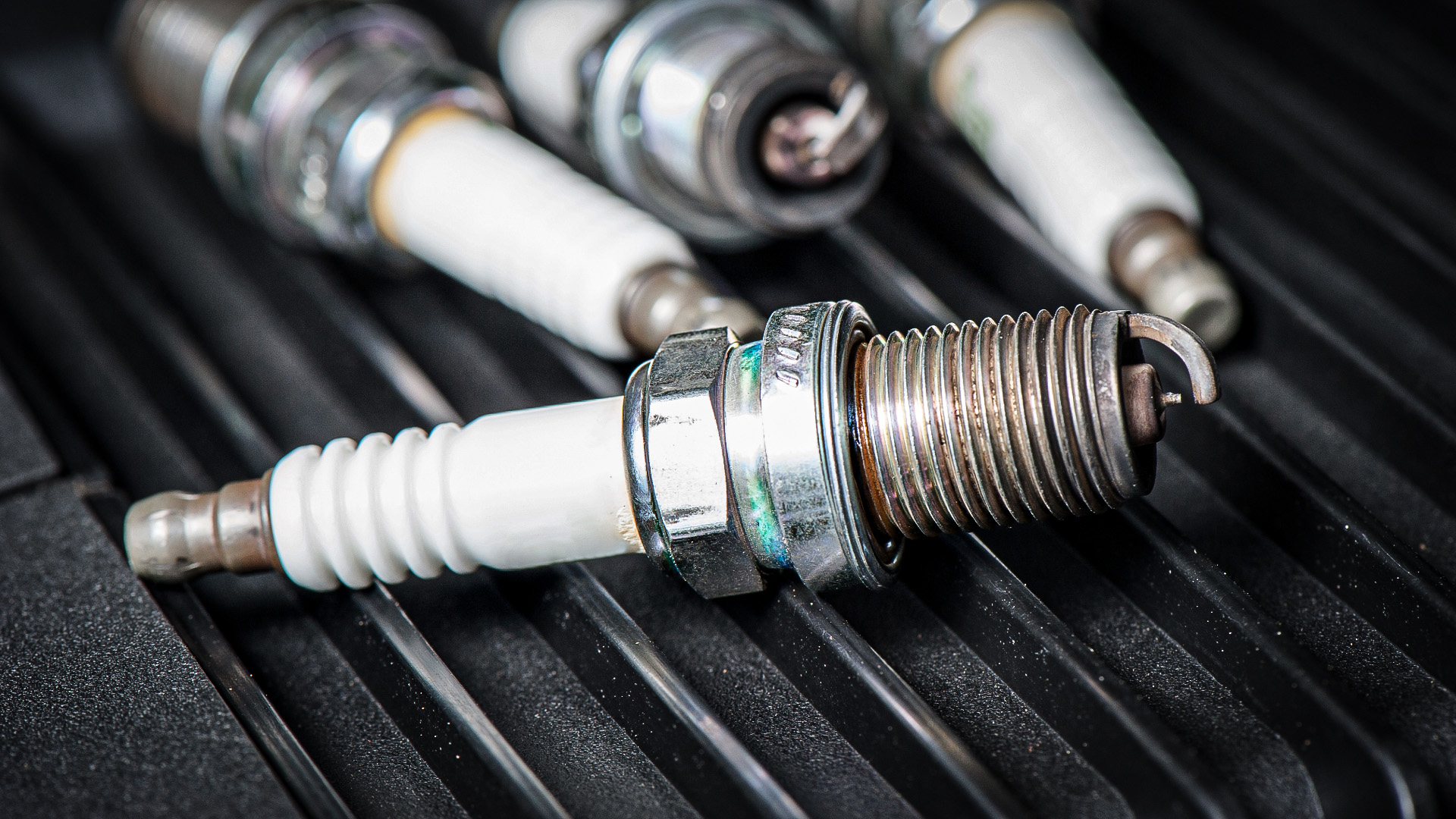
Worn spark plugs or wires can lead to costly ignition coil failures. While many OE maintenance schedules can least intervals of up to 100,000 mile between replacements, I recommend replacing conventional plugs every 30,000 miles and precious metal ones every 60,000 to avoid bigger issues. Inspect wires and boots for wear, damage, or oil contamination from leaky valve cover seals. Double-check plug gaps with a round wire feeler gauge—don’t trust those ramp-style tools from the parts guy.
Fuel
If fuel is getting to the injectors cleanly, they usually don’t need much attention. But if there’s a drivability issue pointing to dirty injectors, that’s when you sell a cleaning service. Induction cleaning, though, is becoming a routine must-do. Back when carburetors ruled, fuel kept the intake tract clean. Now, with exhaust gas recirculation (EGR) and positive crankcase ventilation (PCV) systems, oily gunk can build up in the intake, especially in gasoline direct injection (GDI) engines. Some GDI designs show heavy deposits in as little as 15,000 miles! Routine cleaning with a quality product injected upstream of the throttle body can prevent pricey engine disassembly.
Under the hood
Even as an increasing number of vehicles are going hybrid or electric, there’s still plenty of rubber under the hood that needs checking. Inspect belts and cooling system hoses for wear and keep an eye out for things like worn motor mounts or fluid leaks. While you’re there, test the battery, starting, and charging systems. It only takes a few minutes and can save your customer from a breakdown. Clean up corroded connections, and if they’re bad, recommend replacing the cables.
Wheels and tires
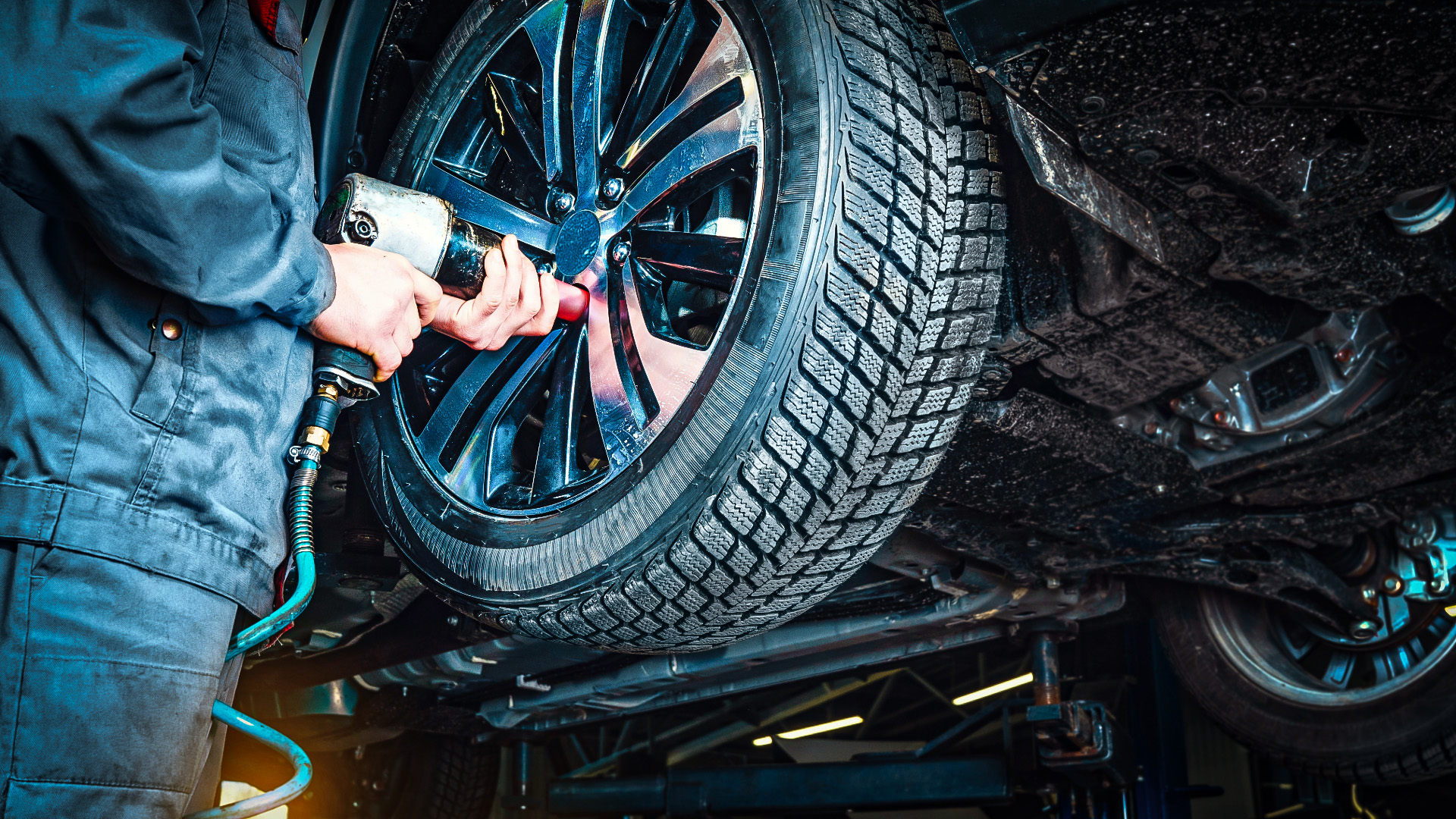
I can almost guarantee that every car in your shop has at least one underinflated tire. Proper tire pressure and condition are critical for handling and safety. I’ve had customers come back amazed at how their car feels after I simply corrected their tire pressures—what I call my “60-second tune-up.” Don’t let a car leave without checking tire condition and inflation.
Electronics
Nearly every system on the car today is controlled by a computer. If you have a capable scan tool, be sure to perform a full system scan of all the modules for any failure codes that may be present. Granted, a code in the radio module may be no big deal to the customer but problems in the ECM or any safety-related module is something both you and your customer need to know about.
A tune-up isn’t just about tweaking the engine anymore—it’s about keeping all the vehicle’s systems in top shape. The next time a customer asks for a tune-up, use it as a chance to educate them on what their car really needs to stay efficient and reliable. By focusing on routine maintenance and catching small issues early, you’ll help them save money and keep their ride running smoothly for years to come.
The articles and other content contained on this site may contain links to third party websites. By clicking them, you consent to Dorman’s Website Use Agreement.
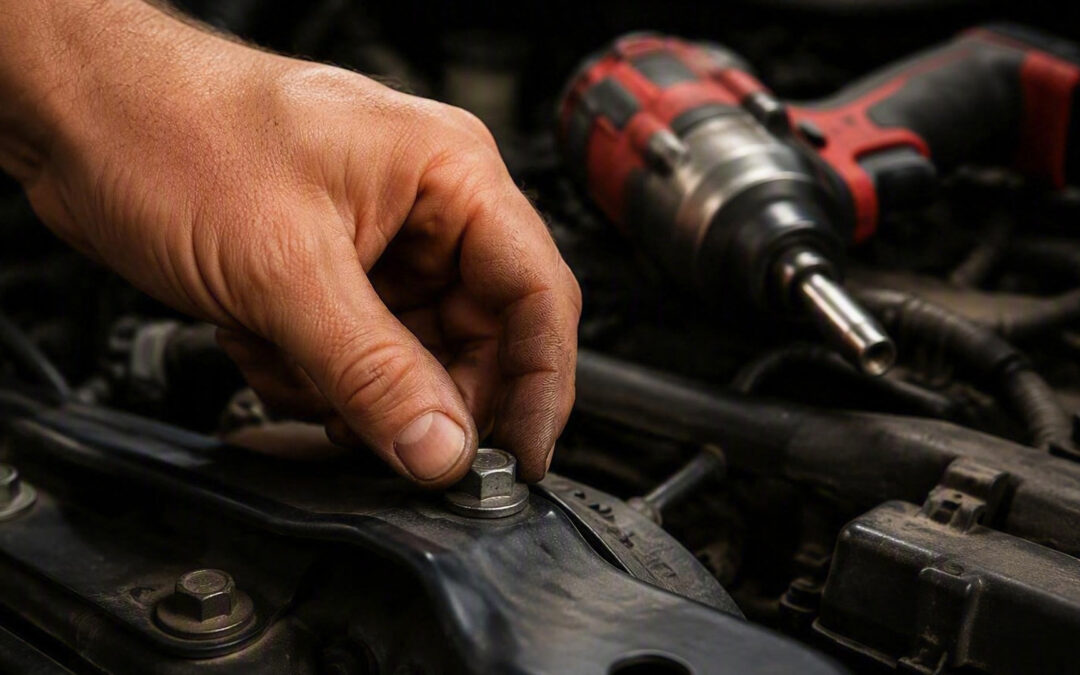
Cross-threading or stripping a fastener can bring progress to a halt in an instant. Start by hand-threading fasteners.

Every car you touch is full of it, but it’s not in any service manual. Here’s the working tech’s guide to plasticizers: why plastic goes soft, sticky, chalky, and cracked, what actually happens when you hit trim with a torch, and why your customer’s dash keeps fogging the windshield.

Ever get up to your elbows in a diagnostic problem, only to wind up right where you started an hour later?
Having trouble hanging onto a nut or bolt with a socket?
Are you making any of these three common mistakes?
We all know how to bleed brakes—but are you missing a final step?
Participation in this forum is subject to Dorman’s Website Terms & Conditions. Please read our Comment Policy before commenting.