Maybe there’s a reason “upsell” has become a dirty word—and it might be your fault.

Service Writing Tip: Justify Your Recommendations
read more



Maybe there’s a reason “upsell” has become a dirty word—and it might be your fault.
The story goes that ol’ Isaac Newton took a knock to the head from a falling apple, leading to some bright ideas about gravity. While working on a vehicle, I recently bumped my dome and got a good idea, too, but this one’s for techs instead of physicists. So what happened?
I had the rear hatch open on a wagon to access the spare wheel, and while walking around the back of the vehicle, I walked straight into the edge of the raised hatch. Yeow! At first, my mind went to a few choice words, but when I went back to what I was doing, I noticed that the hatch had been hanging lower than I remembered. I gave it a push, and up it went to a height that I never would have hit in the first place. Sound familiar?
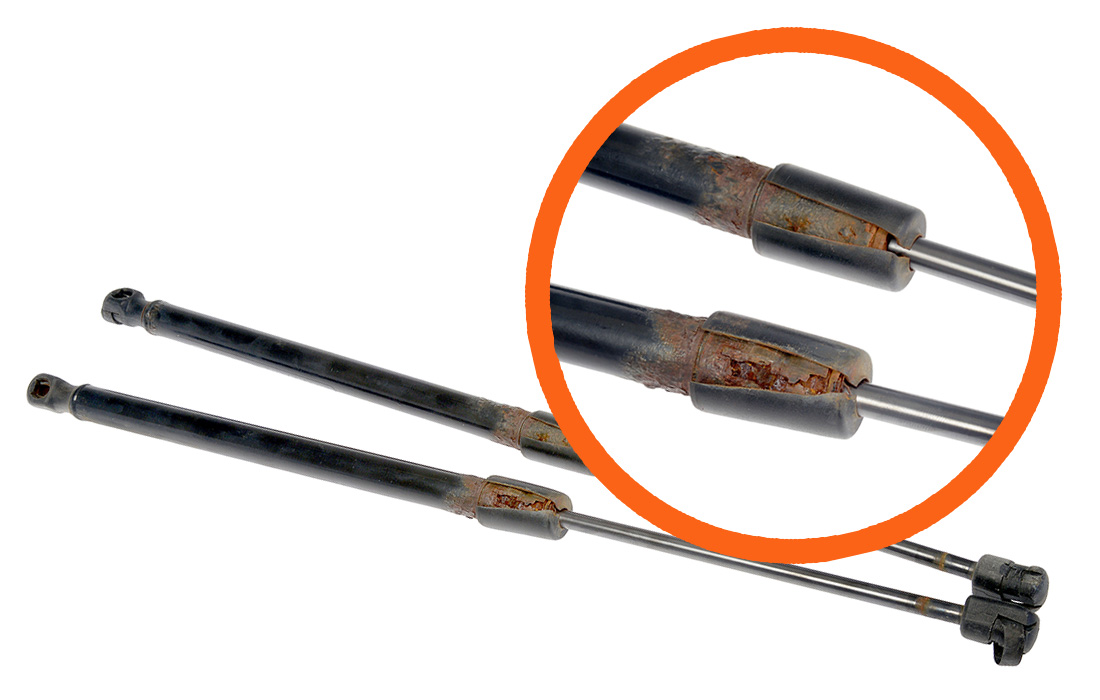
Corrosion and general wear will eventually cause lift supports to leak. Photo: Mike Apice.
The lift supports that hold trunk decks, rear hatches, and hoods are among the most commonly overlooked wear items on modern vehicles. Like any other part, they have finite service lives and require replacement eventually. But they aren’t typically part of any inspection, and since they lose their oomph gradually over time, most customers live with a weak trunk/hatch/hood or don’t notice the change at all. If your shop doesn’t check for floppy gas struts, you might want to consider making a habit of it. Here are a few reasons why.
Electric power lift gate mechanisms are a little more challenging, although they’re still worth your time. Motor assist is very popular with today’s customers, and for good reason! What your customers may not know is that gas springs often play a role in these mechanisms as “counterweights” to the hatch’s heft. When the air assist degrades, the motors need to work even harder to overcome their absence, which can lead to expensive repairs down the road.
Removing and testing those springs is a lot more involved than swapping out a set on a manual lift gate, but no less important. Consider recommending replacement based on vehicle age to simplify repairs. Electric assist systems have been around for a while now, and anything older than ten years or so should be approached with suspicion.
Don’t leave these service items on the table, especially if you work in an area where the shift to colder seasons can really make these failures obvious. Your customers, your bottom line, and your noggin will thank you.
The articles and other content contained on this site may contain links to third party websites. By clicking them, you consent to Dorman’s Website Use Agreement.
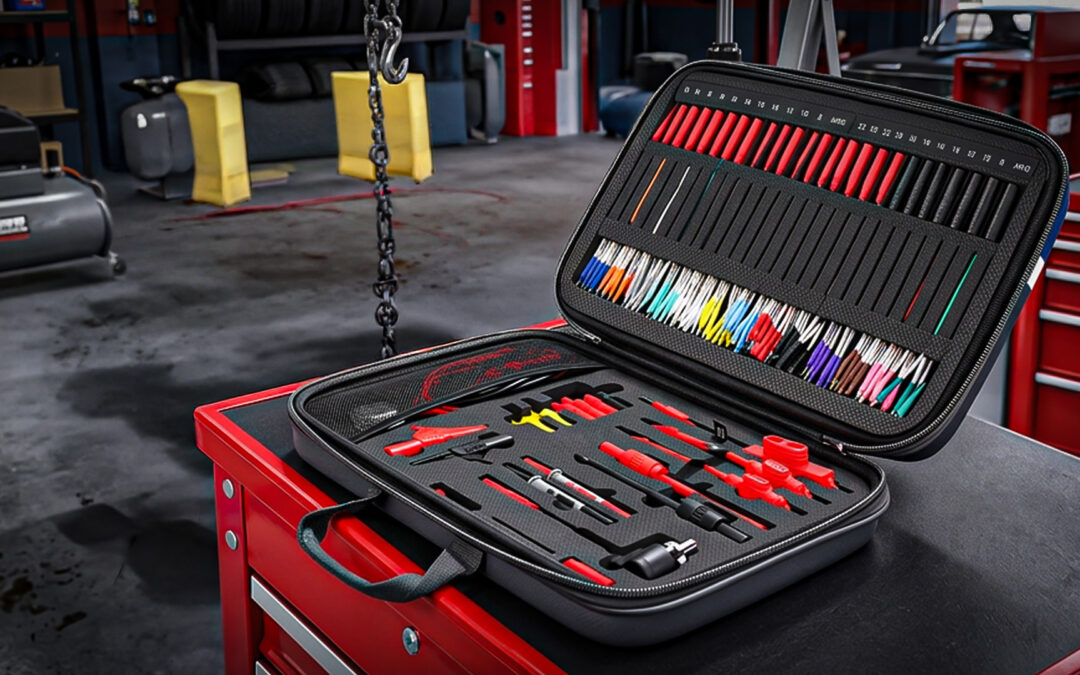
Learn how properly sized test tools can take frustration out of the equation during electrical diagnostics.

Once bitten, twice shy.
Don’t make a rookie mistake!
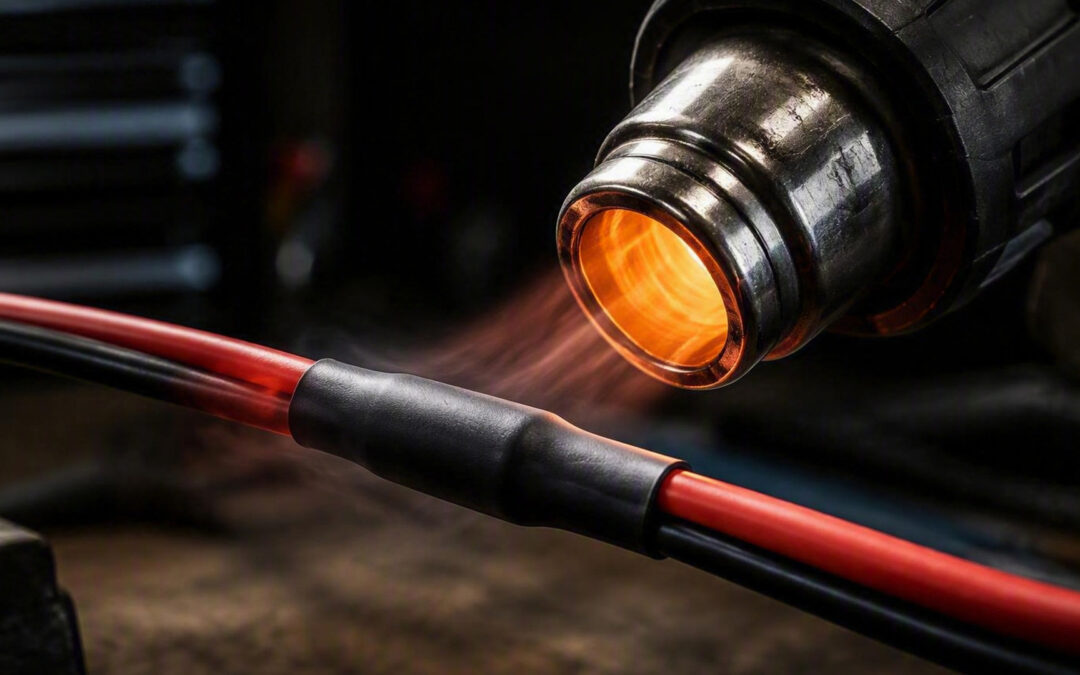
Need to make a secure electrical connection or repair with heat shrink tubing on the outside?
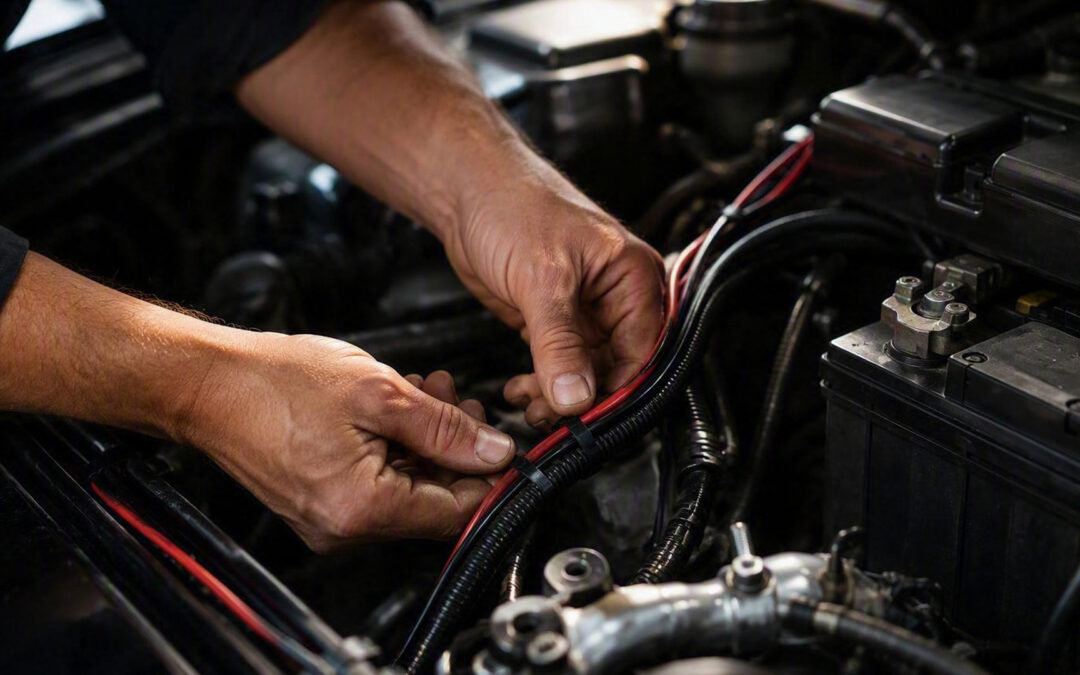
Don’t waste time with jumbled electrical connectors under the hood.
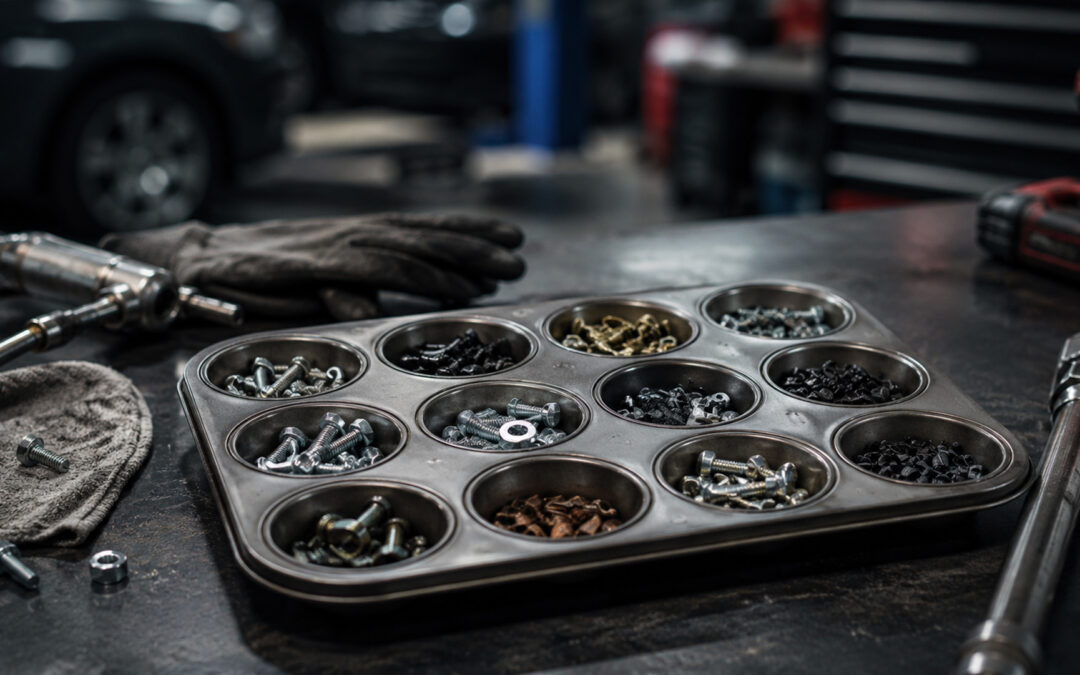
Keeping track of small parts during a job can be tricky, but there’s a cheap and effective way to solve that problem.
Participation in this forum is subject to Dorman’s Website Terms & Conditions. Please read our Comment Policy before commenting.