Maybe there’s a reason “upsell” has become a dirty word—and it might be your fault.

Service Writing Tip: Justify Your Recommendations
read more



Maybe there’s a reason “upsell” has become a dirty word—and it might be your fault.
Legislation in North Carolina could become a blueprint for protecting motorsports from legal challenges tied to nearby development, or it could remain a unique solution to a problem faced by racetracks across the country. As tracks and other motorsports venues continue to navigate noise concerns, land-use conflicts, and development pressure, North Carolina’s “Right to Race” law offers a new approach to preserving established racing facilities.
North Carolina’s HB 926, the Regulatory Reform Act of 2025, includes a provision titled “Protect the Right to Race.” Enacted as part of Session Law 2025-94 and codified as N.C. Gen. Stat. § 99E-90, the law establishes nuisance immunity for certain racing facilities under specific circumstances.
The statute shields racing facilities from nuisance and takings lawsuits brought by property owners within a three-mile radius of the track’s property line when those property owners purchased land or constructed buildings after the track developer had obtained all required construction permits and established vested development rights for the facility. (You’re probably familiar with how nuisance lawsuits can shut down a track, but “takings” may not be a term you’ve heard before. It’s a legal concept that covers a range of legal actions involving the government to occupy a property, acquire it, or boot the owner out.)
North Carolina’s provision took effect on October 6, 2025, and applies to actions filed on or after that date. The legislative change provides additional legal protections for established racing venues facing conflicts with newer development in surrounding areas.
Industry organizations including the Specialty Equipment Market Association (SEMA) and Performance Racing Industry (PRI) supported the racing provision contained within HB 926. Supporters argue that the measure helps protect established racing facilities from legal attacks by residential and commercial development that shows up after a track has already been approved and constructed.
Unsurprisingly, North Carolina is one of the country’s biggest centers for racing. According to PRI, the state’s motorsports industry contributes approximately $3.82 billion in economic impact and supports nearly 20,000 jobs. While those figures are from PRI’s research, not state government sources, they underscore the racing industry’s need to keep tracks open and stable.
For track operators, the law could help give clearer direction when planning events, scheduling races, and making long-term investments in facility operations.
By establishing legal protections for qualifying facilities, North Carolina has taken a major step towards preserving the tracks and venues that built its motorsports heritage in the first place.
Grassroots and professional racing organizations should have an easier time organizing, practicing, and racing, with less exposure to lawsuits from newer neighbors. HB 926 could also encourage investment in existing racing facilities and related motorsport activities throughout the state.
Whether other states adopt similar protections remains to be seen, but the law is likely to draw attention from racing advocates and track operators facing their own land-use and noise/nuisance challenges elsewhere in the country.
History tells us that automotive innovation often starts in racing. By helping preserve existing racing venues, North Carolina’s law supports tracks that contribute to industry engagement, job creation, and economic supports in thriving motorsports communities. Time will tell if this starts a national trend, or if North Carolina will be taking the lead alone.
The articles and other content contained on this site may contain links to third party websites. By clicking them, you consent to Dorman’s Website Use Agreement.

EVs and hybrids that time forgot.
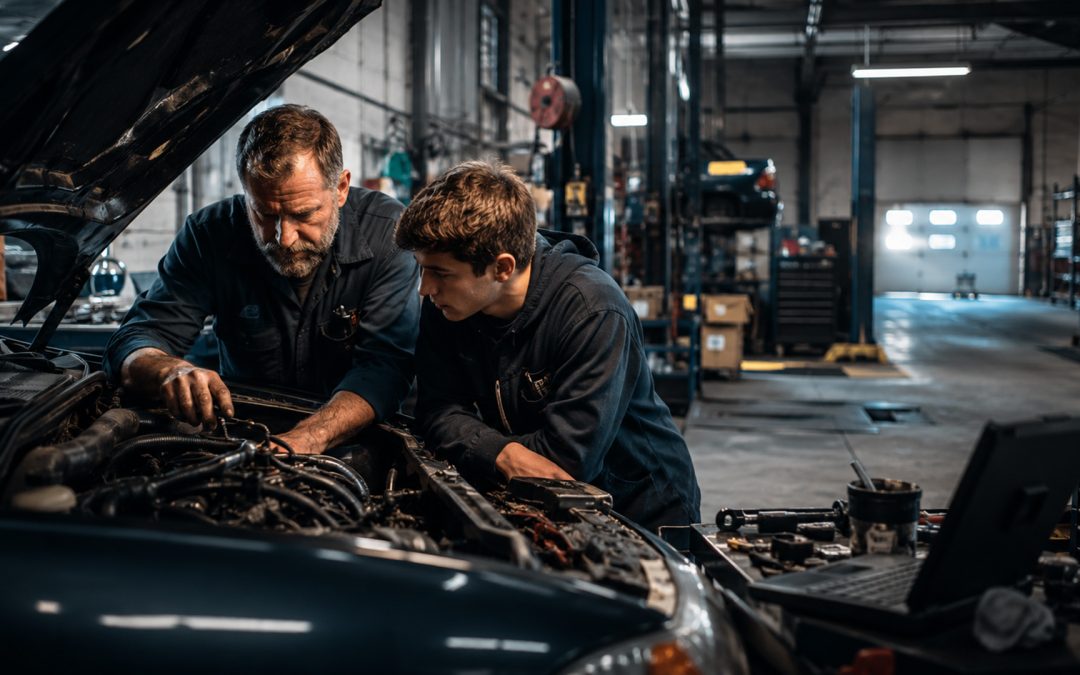
It’s not just you. This job ain’t what it used to be.
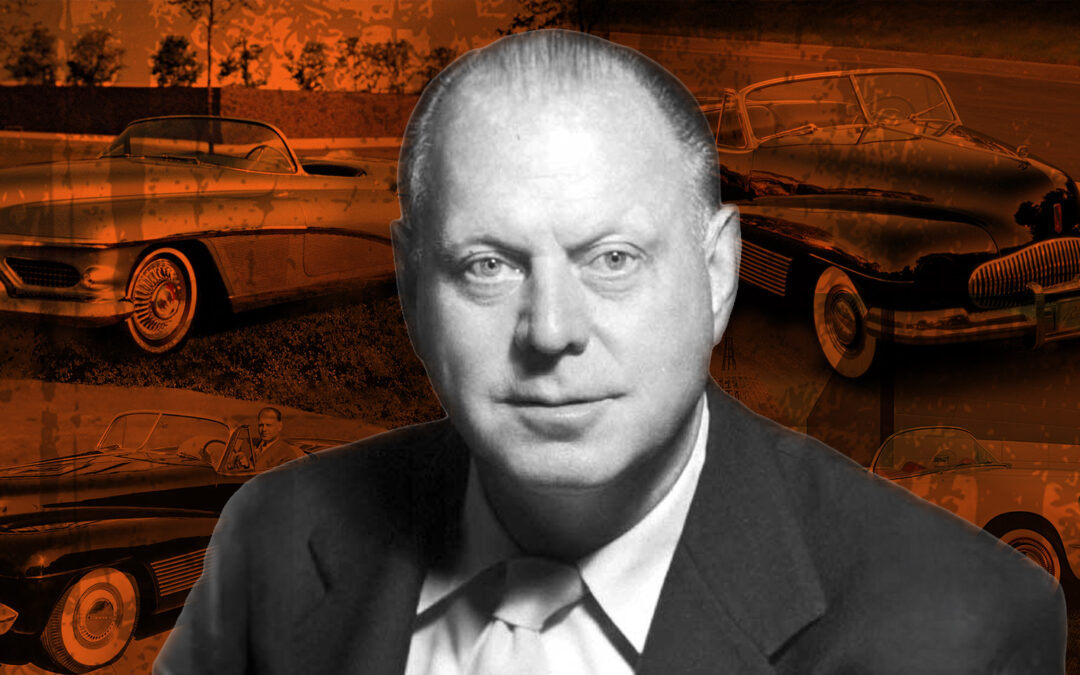
As General Motors’ first design chief, Harley Earl transformed the automobile from a machine into a cultural icon.

Aging roads and infrastructure might play a role in planning your shop’s future business.
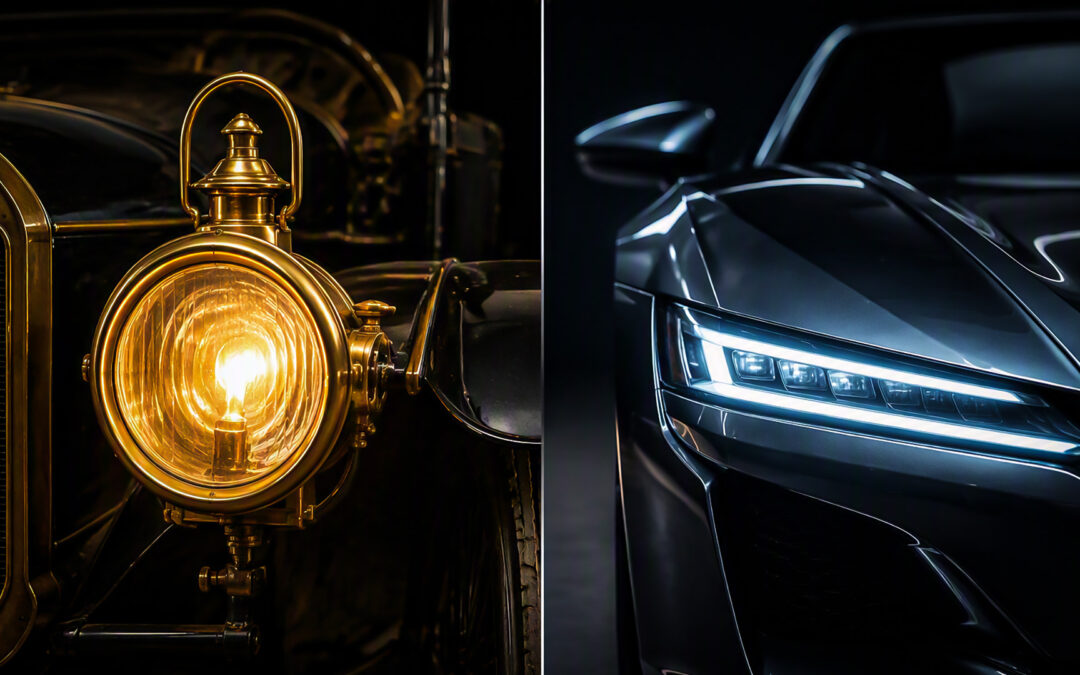
You may not think it, but automotive lighting has come a long way.

Here are eight cars that paved the way for modern engines.
Participation in this forum is subject to Dorman’s Website Terms & Conditions. Please read our Comment Policy before commenting.