Maybe there’s a reason “upsell” has become a dirty word—and it might be your fault.

Service Writing Tip: Justify Your Recommendations
read more



Maybe there’s a reason “upsell” has become a dirty word—and it might be your fault.
It’s midday on a Friday, and an older-model Subaru rolls into the bay in need of new wheel bearings. In the past, this would have meant a few hours with the shop press, possibly a torch, and maybe some choice words to get the job done. But it doesn’t have to be that way, thanks to a wide selection of ready-to-install loaded knuckles that are just a mouse click or phone call away. Loaded knuckles are easier to find and more widely available than they’ve ever been. Older shops may be overlooking just how prevalent and useful they can be. Now, instead of fighting with disassembling a crusty old knuckle, you simply replace the whole thing. That Subaru can be rolling out the door before quitting time with a happy customer behind the wheel. Here’s why you should make loaded knuckles part of your repair solution toolkit.
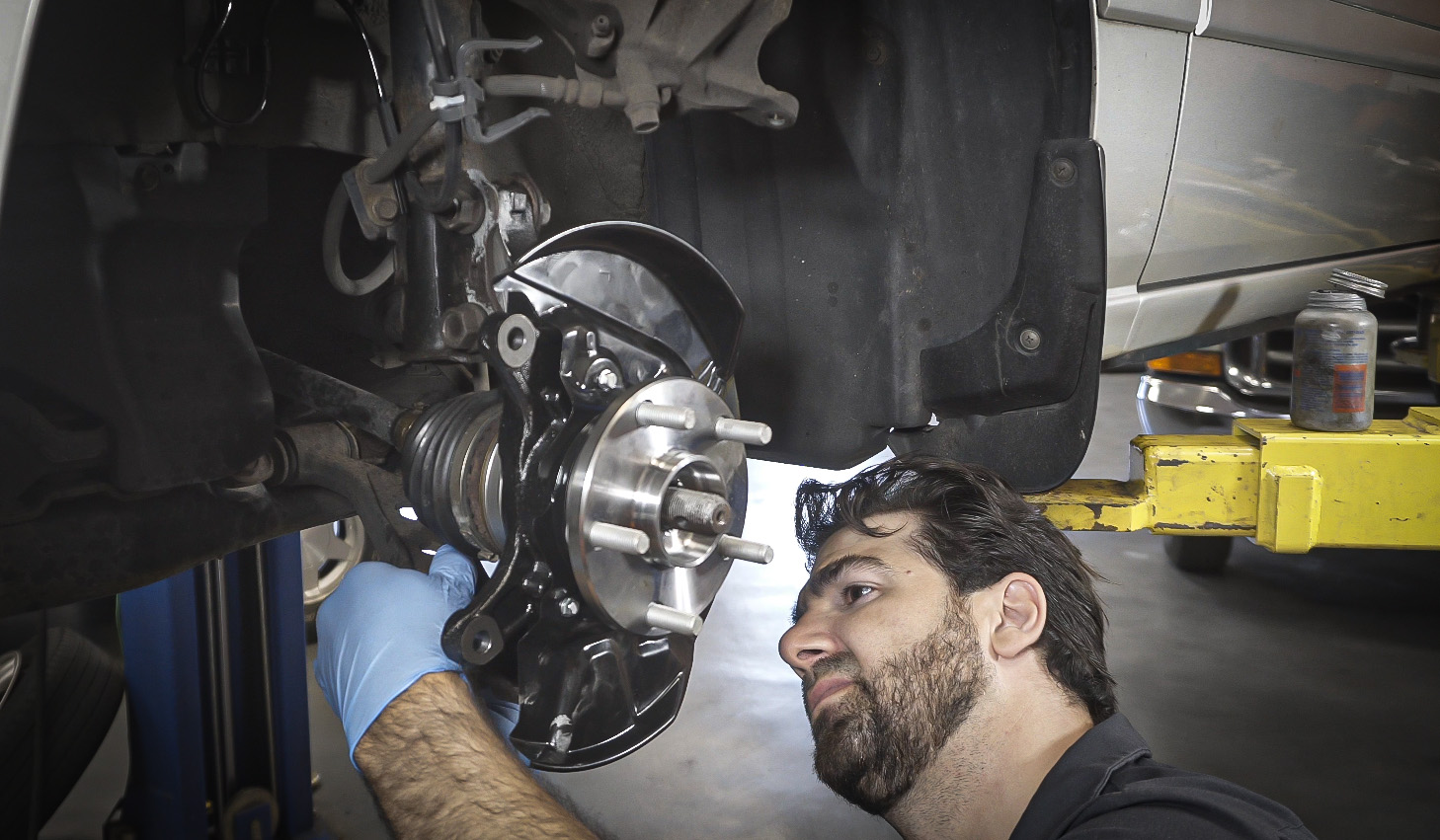
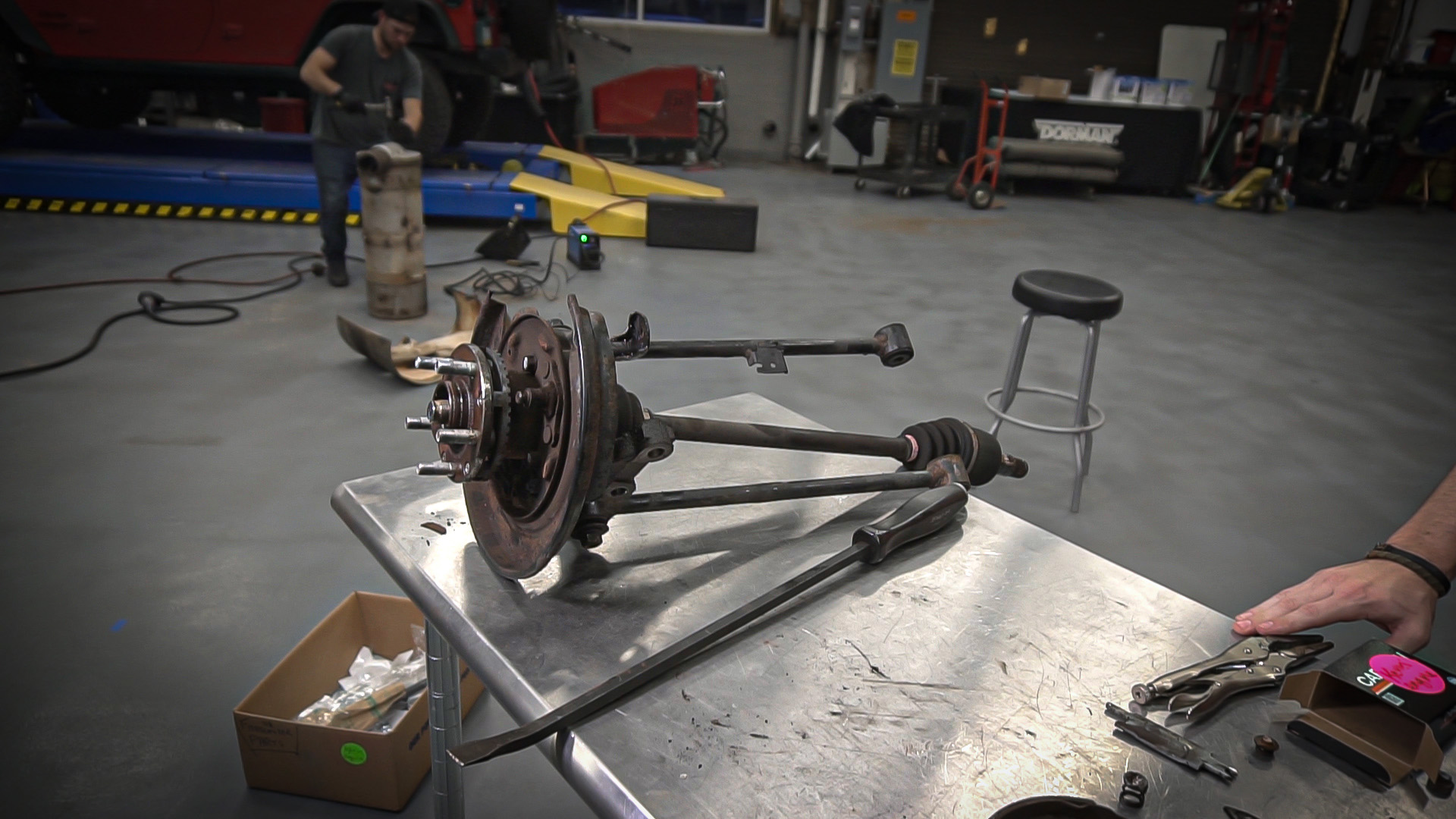
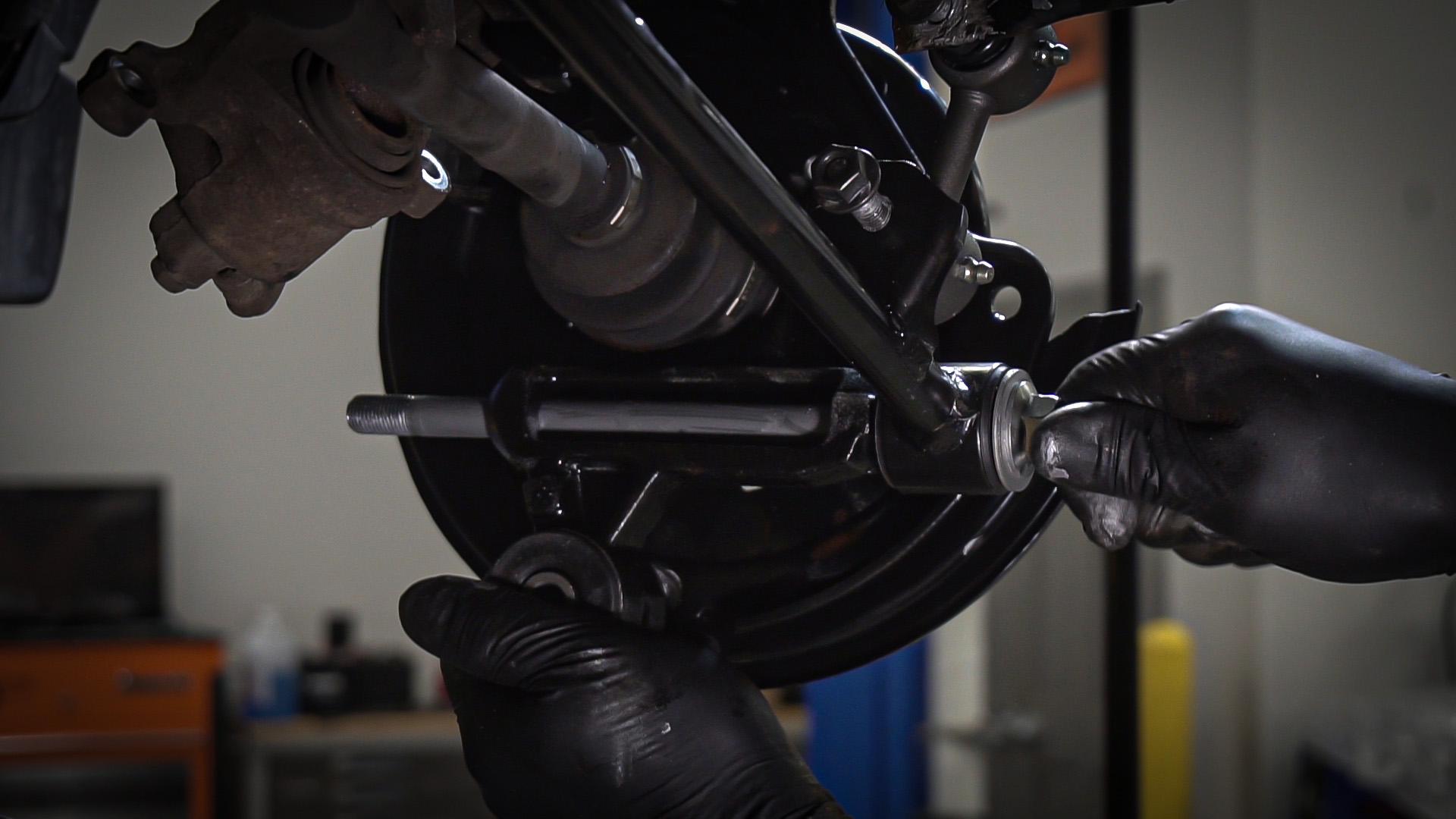
Typically, a loaded knuckle consists of a brand-new main knuckle casting and preinstalled wheel bearing. Some may include the wheel hub, anti-lock braking system (ABS) tone ring, or even the ABS sensor. In the case of rear-wheel applications, brake hardware may be included. These components are all brand-new, so no gambling with getting a usable part from the scrap yard. The bearings are already installed, too, so no worrying about proper bearing seating or finding the right bearing tools. If you already understand the value of using loaded struts, loaded knuckles are the same type of game-changer for a shop.
If you are servicing a knuckle, you are likely already taking it off the vehicle for better access. In the case of changing a wheel bearing, you have to take everything apart to get to the heart of the problem. But this is not an operation that lends itself to madly banging away with a hammer because if you damage the knuckle or bearing areas, you may create a bigger problem. It’s a fine dance between brute power and precision to properly remove a pressed-in wheel bearing. All that takes time, something most shops (and customers) do not have.
In the case of a collision repair where the knuckle was damaged, you are probably familiar with the hassle of calling around to find a good used part from a wrecking yard. That takes time, and you may end up with a part that needs work to put into service, or worse, is already damaged. A loaded knuckle comes ready to install as soon as the old part is pulled from the vehicle. Just remove and replace.
Time is money in a shop or even at home for a DIYer. By having an all-in-one solution ready to install, your time investment is cut drastically. Instead of a lift being tied up for hours while a technician wrestles with the shop press (assuming you have one in the first place), that bay can be back to earning money in a fraction of the time. DIYers do not have to invest in tools they may never use again or risk causing collateral damage cobbling together Rube Goldberg solutions for extracting a stubborn bearing. While just buying a wheel bearing alone may be cheaper, when you factor in all the other associated costs and labor, the savings of a loaded knuckle are hard to ignore. Plus, it saves time, something no amount of money can replace. You also lower the possibility of a customer comeback since all the old components are replaced at once for a quiet, smooth-spinning wheel.
In cases where replacing a wheel bearing is complicated, takes special tools, requires brute force, or the original knuckle casting is damaged, the obvious answer is a loaded knuckle. Moving to a “remove and replace” approach to knuckle-related repairs can make it easier on service writers by making the estimate process simpler. It also helps high-volume shops keep bay throughput moving for more billable jobs throughout the day. By using loaded knuckles, you can work smarter, not harder.
The articles and other content contained on this site may contain links to third party websites. By clicking them, you consent to Dorman’s Website Use Agreement.
Need to make a secure electrical connection or repair with heat shrink tubing on the outside?
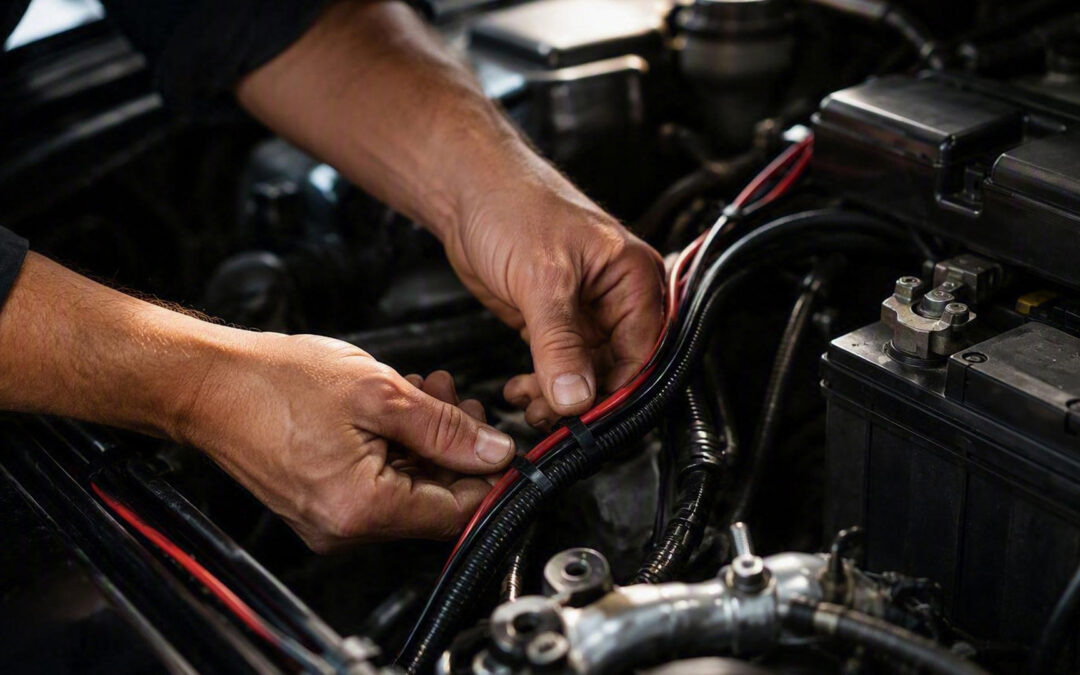
Don’t waste time with jumbled electrical connectors under the hood.
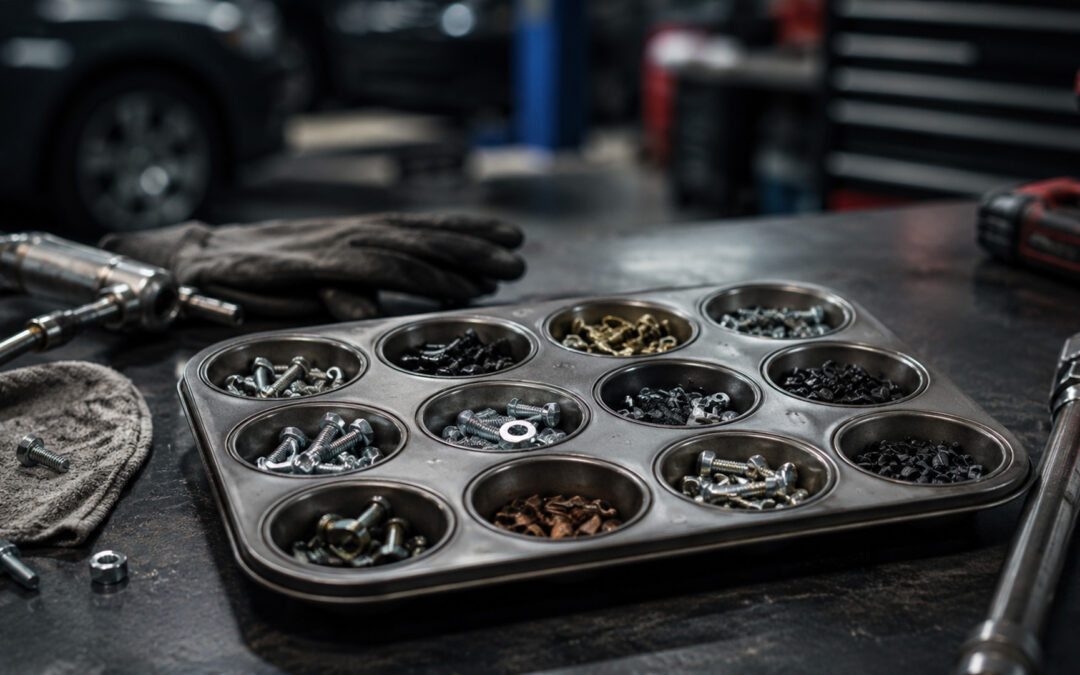
Keeping track of small parts during a job can be tricky, but there’s a cheap and effective way to solve that problem.
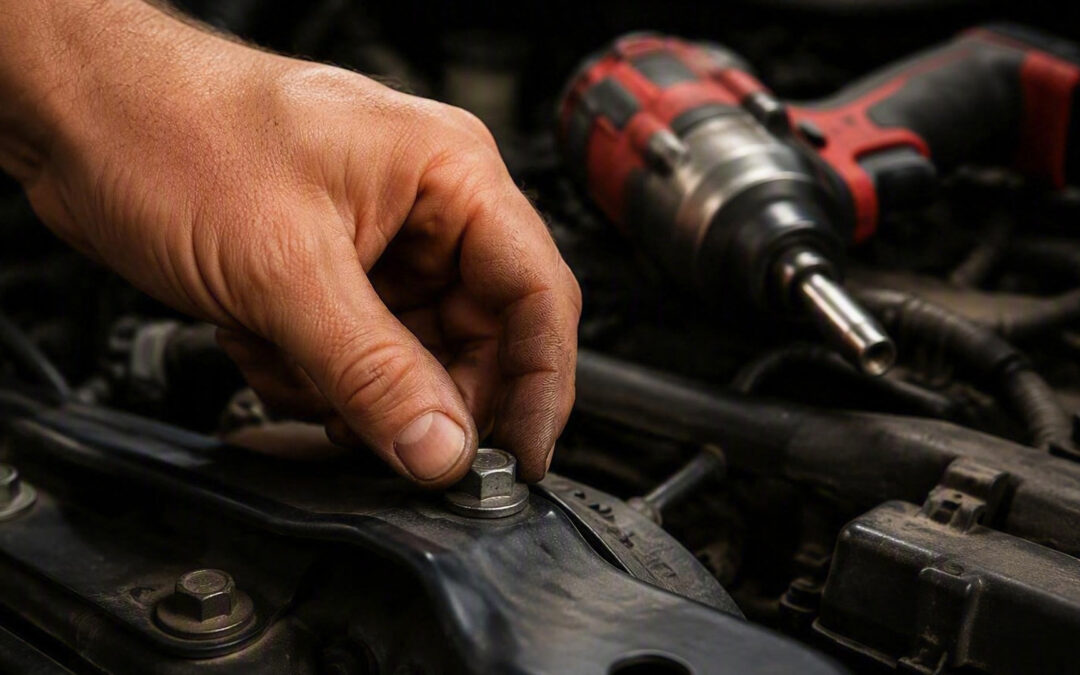
Cross-threading or stripping a fastener can bring progress to a halt in an instant. Start by hand-threading fasteners.
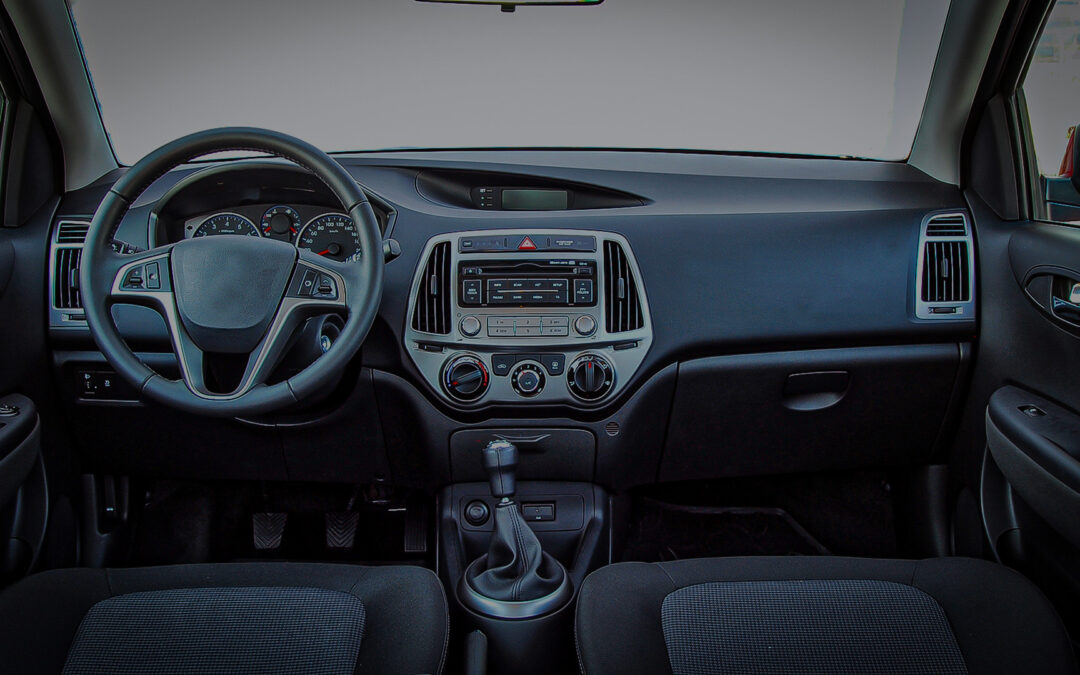
Every car you touch is full of it, but it’s not in any service manual. Here’s the working tech’s guide to plasticizers: why plastic goes soft, sticky, chalky, and cracked, what actually happens when you hit trim with a torch, and why your customer’s dash keeps fogging the windshield.

Ever get up to your elbows in a diagnostic problem, only to wind up right where you started an hour later?
Participation in this forum is subject to Dorman’s Website Terms & Conditions. Please read our Comment Policy before commenting.