Maybe there’s a reason “upsell” has become a dirty word—and it might be your fault.

Service Writing Tip: Justify Your Recommendations
read more



Maybe there’s a reason “upsell” has become a dirty word—and it might be your fault.
These are usually found mounted to the radiator core support, bumper reinforcement, or the front frame rails. There is usually more than one sensor so the onboard computer can compare sensor readings and decide how to react, or do nothing if the reading is determined to be a false alarm. By placing these sensors at the very front of the vehicle, other safety systems like airbags and seat belt tensioners can react fractions of a second after the collision begins.
Usually found in B‑pillars, rocker panels, or even inside doors themselves. These sensors monitor any rapid sideways movement of the vehicle, like getting T-boned. The onboard computer can then determine if a crash is happening and deploy safety features like side curtain airbags and seat belt tensioners. Since there is less body structure on the sides of a vehicle, these sensors must act quickly to counteract any resulting passenger area intrusions from a collision.
Often found inside door cavities, these sensors can detect the quick change in internal air pressure caused by an impact pushing in on the door skin. Any collision impact causes a spike “shockwave” in the door’s internal air pressure. These pressure sensors can often trigger the side-curtain airbag faster than a side-impact accelerometer.
These sensors are typically found around the rear bumper reinforcement, but may also be in the rear quarter panel or crossmember. These units use the sudden acceleration of a rear collision to signal an impact. Depending on the crash severity, safety systems like seat belt tensioners, active head restraints, and fuel pump shutoff may be triggered. For hybrid and fully electric vehicles, the high-voltage system may also be disabled.
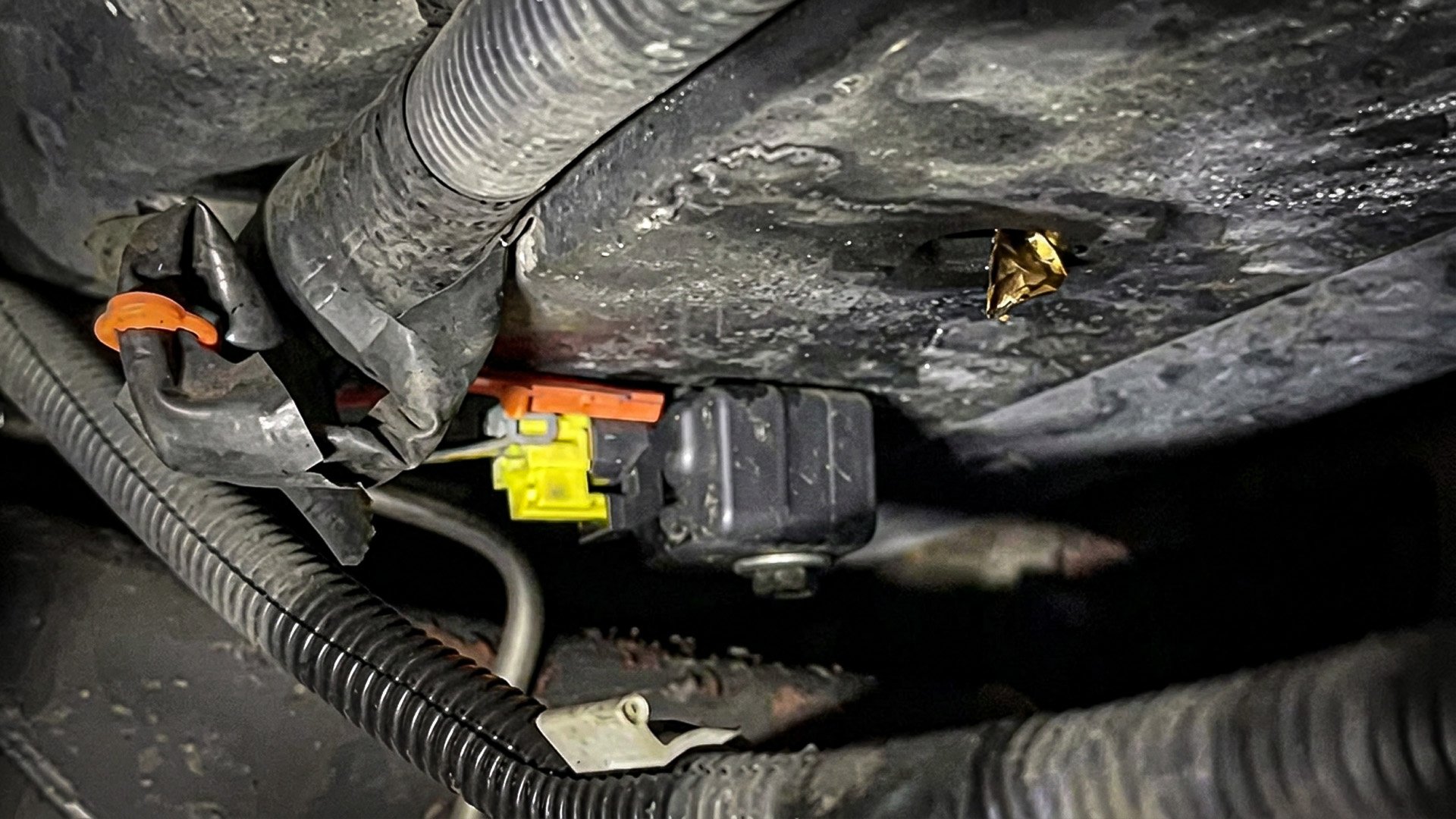
Impact sensor. Photo: Jonathan Roth, screenshot from Dorman video.
This is the sensor that usually decides if the airbag will be deployed. It can read sudden acceleration changes in multiple directions. It is often located near the center of the vehicle, close to or on the transmission tunnel or center console. Inputs from other impact sensors are compared to this sensor in order to filter out events like hitting a pothole.
Typically found near the vehicle’s center of gravity, this sensor measures rotation from front to rear and side to side. It is used to detect how fast the vehicle is rotating in any direction and is often used as part of the stability control system. If the vehicle senses the beginning of a rollover, the onboard computer can deploy the appropriate airbags and other safety measures.
This sensor detects how much sideways acceleration force the vehicle is experiencing. It helps the onboard computer determine if the vehicle is sliding or possibly about to roll over. It is also usually mounted low in the vehicle near the center of gravity.
This is a newer sensor developed to help protect pedestrians outside the vehicle and is usually found behind the front bumper. One design uses a pressurized tube across the entire length of the front bumper. Any impact will change the pressure in the tube, signaling further safety measures like energy-absorbing spring-loaded hood hinges.
It is amazing how these sensors work together to protect not only passengers, but now also those outside the vehicle. These are just the sensors that relate to impact detection; a whole host of other sensors work to prevent collisions from happening in the first place. Making sure they are all functioning correctly is an essential part of any collision repair, which is why pre- and post-repair scanning is so important. If any of these sensors are involved in a repair, it is mandatory that OEM procedures and calibrations are followed to get them functioning exactly as intended.
The articles and other content contained on this site may contain links to third party websites. By clicking them, you consent to Dorman’s Website Use Agreement.
Need to make a secure electrical connection or repair with heat shrink tubing on the outside?
Don’t waste time with jumbled electrical connectors under the hood.
Keeping track of small parts during a job can be tricky, but there’s a cheap and effective way to solve that problem.
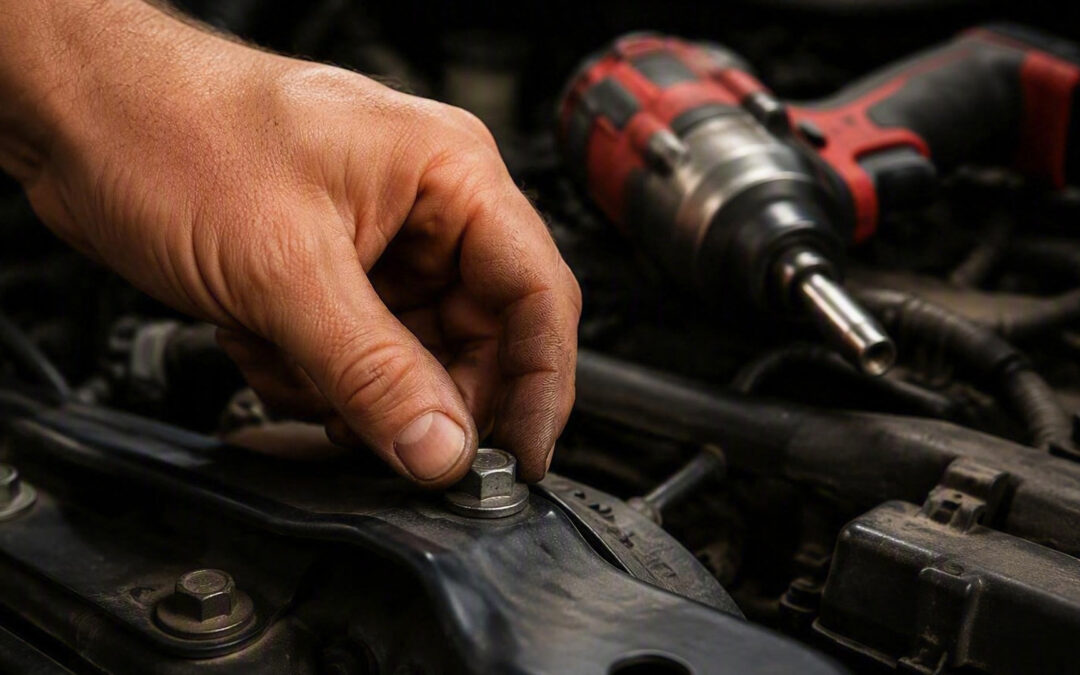
Cross-threading or stripping a fastener can bring progress to a halt in an instant. Start by hand-threading fasteners.
Every car you touch is full of it, but it’s not in any service manual. Here’s the working tech’s guide to plasticizers: why plastic goes soft, sticky, chalky, and cracked, what actually happens when you hit trim with a torch, and why your customer’s dash keeps fogging the windshield.
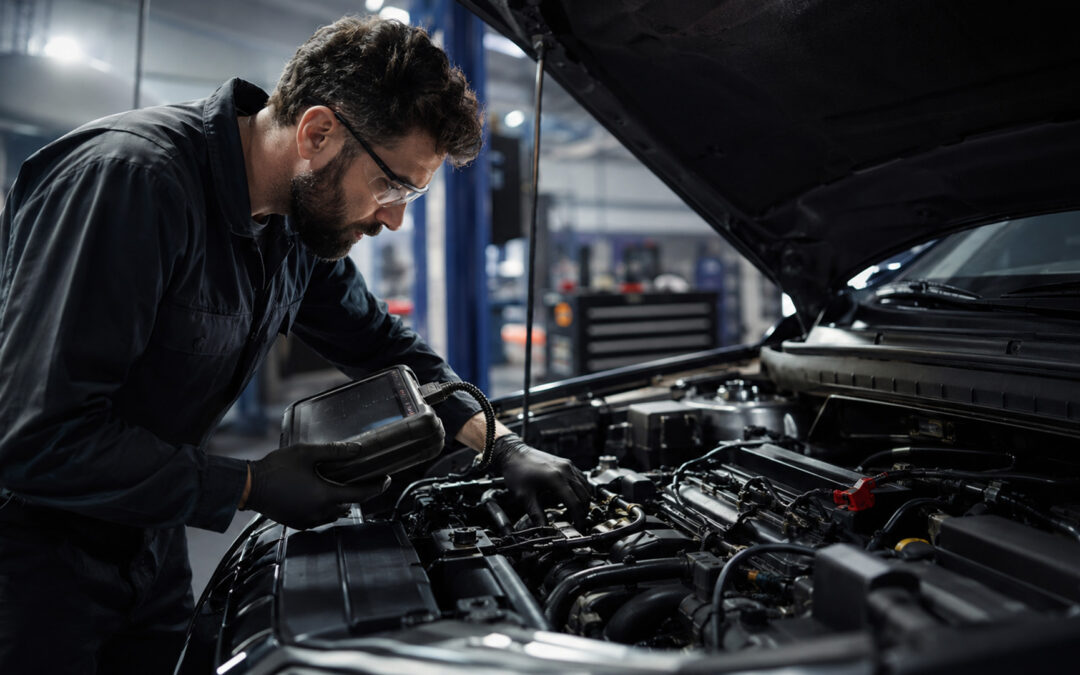
Ever get up to your elbows in a diagnostic problem, only to wind up right where you started an hour later?
Participation in this forum is subject to Dorman’s Website Terms & Conditions. Please read our Comment Policy before commenting.