Maybe there’s a reason “upsell” has become a dirty word—and it might be your fault.

Service Writing Tip: Justify Your Recommendations
read more


Maybe there’s a reason “upsell” has become a dirty word—and it might be your fault.
But it wasn’t always this way. In Ye Olden Days, we’d buy bulk hose by the foot and make nice, graceful loops and route it where we needed it to go. Alas, the spacious engine bays that allowed such freedom died right alongside carburetors and hair metal, and so did a lot of the usefulness of that bulk hose.
Happily, custom hoses aren’t needed all that often. But engine swaps, alternative plumbing, forced induction add-ons, performance vehicles, and antique vehicles (read: parts are obsolete/NLA) still dictate the construction of the odd custom hose. So, take it from a former parts counterman and current technician: there are a few ways to skin this cat, and knowing a few of them can get you out of a bind. The techniques are presented in the order you should try to use them based on probability of success and effort expended.
Look, you’re not the first person to need a hose, and if you think about it, most engine bays are about the same size and constructed in the same way—the rad goes up front, and the heater core usually has an inlet and outlet. The easiest general way to get a hose that’s not available is to measure the inlet and outlet, and then draw a little diagram with lengths and rough approximations of angles needed. A piece of Romex can be helpful here, because you can bend it into the rough shape you need. Many hoses have exactly the bend or bends you need, but they’re just longer than necessary. Heck, I had part numbers of hoses in common sizes that had 180° bends, or compound 90°s scribbled down because those were ones people needed a lot.
As a former parts guy, I can tell you that my success rate using this method alone was high—it worked about 85% of the time. Find one that’s a little long, snip off what isn’t needed, and boom, back in business. It helps to write down the part number for future replacements. There are downsides to this method. The parts store must be open. The counterman must like you enough to let you fool around in the back with the hoses. And finally, of course, you need to go to the parts store; this isn’t really a “relay it over the phone” activity, so some bay time winds up dead (unless the kid on your lube rack is pretty sharp).
This method is last on the list because it’s finicky and annoying and does require a lot of not-so-common shop items. However, if you are even slightly prepared for this situation, you can often skate by long after the auto parts joint has dimmed the neon in the “OPEN” sign, which is a majorly appealing truth for someone working on a hotrod project after-hours.
For small vacuum hoses and windshield wiper lines, you can use heat shrink to get your bends. This video offers a pretty stellar view of the process in a way shorter time than it will take me to write it or you to read it.
Now here’s where this gets a little weird. You have to overshoot your bend, and kind of by a lot. When I’m looking for a ninety, for instance, I usually have that hose almost doubled back on itself. I normally throw the spring in, get my bend, then use a cable tie to hold the hose.
Once you’re happy with your setup, you need to put a pot of water on to boil and get a bucket of ice water. Drop the hose and spring-tube-and-zip-ties-form assembly in the hot water for five minutes or so, or until the hose is al dente. (Kidding.) After that—and this is important, don’t skip it—dunk that thing in the ice water.
Clip the zip tie, pull the spring tube bender, and you should be close, if not perfect. The downside to this method, of course, is that you’re eyeballing it, so you may need to readjust. And multiple bends are sort of miserable. In a bind, you can certainly try other things to help the hose hold its shape if you don’t have the benders I mentioned.
For a really complex hose, this tip, coupled with one or both of the first two, can usually net you the perfect hose, even if it’s not offered by the OE or the aftermarket. It ain’t easy making molded hoses for custom applications, but it’s not impossible, either, and usually the circumstances mean you can charge appropriately for the time (and skill) required to do so.
Good luck! And since you’re thinking about it, go order a set of those spring tube benders now, so you have a set handy the next time you need them.
The articles and other content contained on this site may contain links to third party websites. By clicking them, you consent to Dorman’s Website Use Agreement.
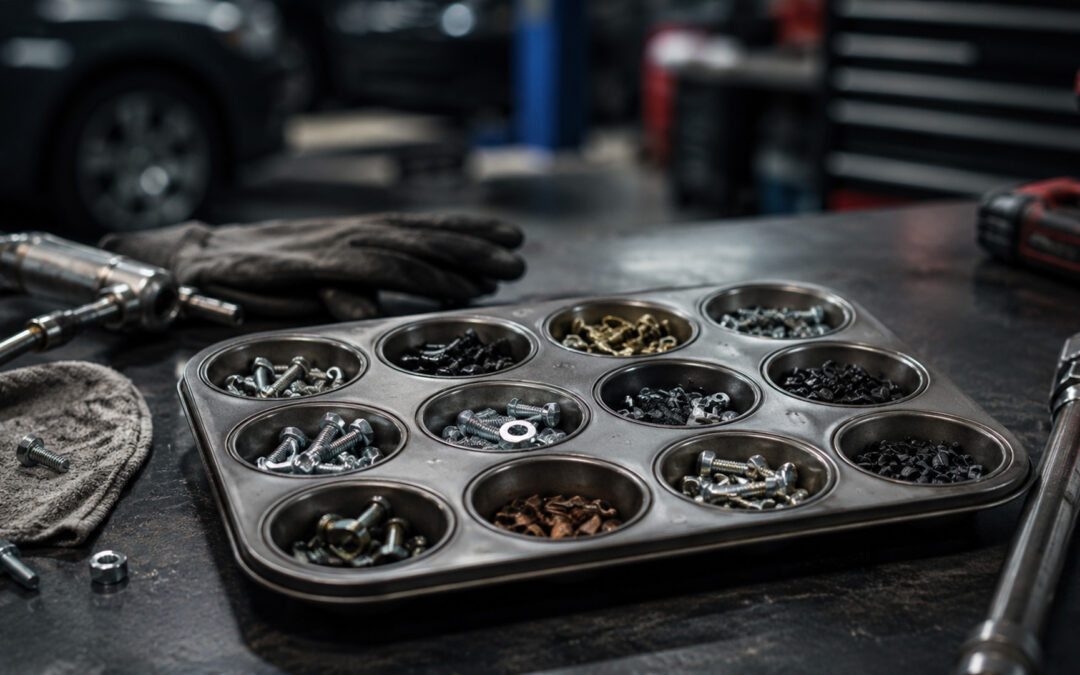
Keeping track of small parts during a job can be tricky, but there’s a cheap and effective way to solve that problem.
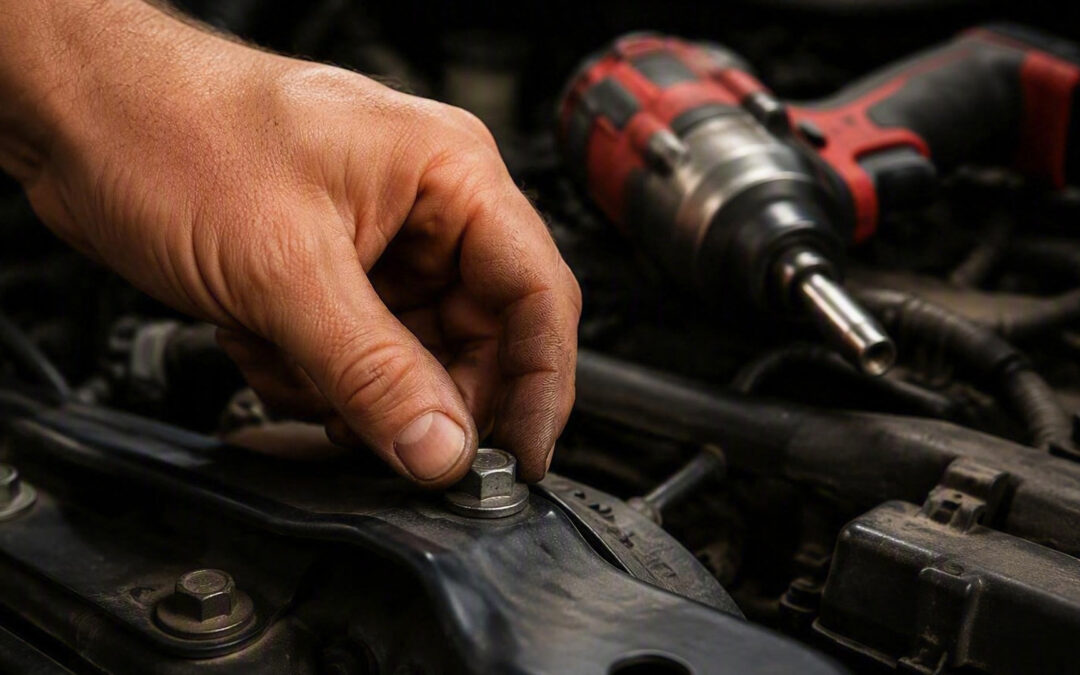
Cross-threading or stripping a fastener can bring progress to a halt in an instant. Start by hand-threading fasteners.

Every car you touch is full of it, but it’s not in any service manual. Here’s the working tech’s guide to plasticizers: why plastic goes soft, sticky, chalky, and cracked, what actually happens when you hit trim with a torch, and why your customer’s dash keeps fogging the windshield.

Ever get up to your elbows in a diagnostic problem, only to wind up right where you started an hour later?
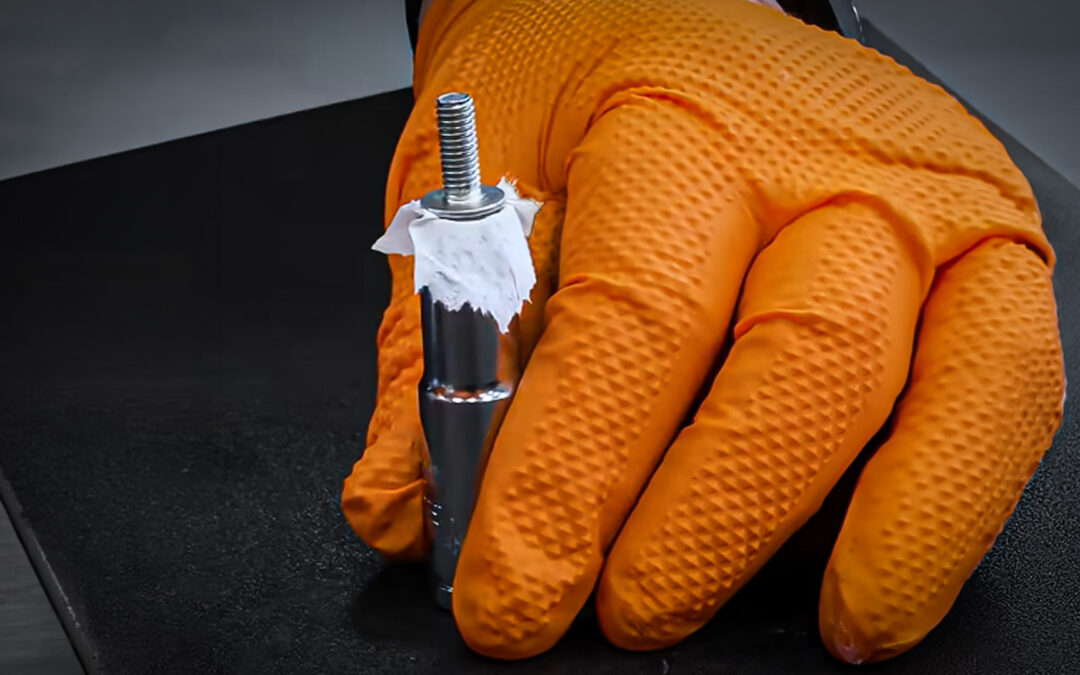
Having trouble hanging onto a nut or bolt with a socket?
Are you making any of these three common mistakes?
Participation in this forum is subject to Dorman’s Website Terms & Conditions. Please read our Comment Policy before commenting.