Maybe there’s a reason “upsell” has become a dirty word—and it might be your fault.

Service Writing Tip: Justify Your Recommendations
read more



Maybe there’s a reason “upsell” has become a dirty word—and it might be your fault.
Even if you live under a proverbial rock, you’ll know that diesel fuel is a bit of a hot topic at the moment, and a hot commodity too!
Fluctuating prices, high demand, and pockets of scarcity are keeping diesel in the news, and some of your customers who drive diesels may be trying some alternatives to keep their trucks on the road. Here’s the catch: these alternatives can lead to driveability concerns or even legal trouble, and a customer might not tell your service writer the whole story when dropping off a vehicle that suddenly doesn’t run right. It’s up to you, the technician, to rule out cheaper diesel alternatives in your diagnostic process. And if they are found, your shop should have policies in place for what happens next. Don’t miss an opportunity to educate your customers about the realities of running alternative fuels … and the costs when things go sideways!
When diesel prices spike, customers might attempt to run biodiesel blends. Save on fuel, help save Mother Earth, what’s not to love? Biodiesel has been around for a long time and its limitations are well understood. An engine tuned to run on biodiesel can be made to perform reliably, but using blends beyond the manufacturer’s recommended limits (or using untested homebrews in the tank) can lead to real challenges for modern diesel systems. Biodiesel can loosen deposits within fuel tanks and lines, plugging filters and restricting fuel flow. It can also absorb more moisture than conventional diesel fuel, increasing the risk of corrosion and microbial contamination. In colder climates, higher biodiesel concentrations may gel at higher temperatures than standard diesel, leading to hard starts, reduced performance, and no-start conditions. If a vehicle rolls in with any of those issues, and you find biodiesel in the tank, it’s time for a conversation with the customer. Many simply do not realize that pump diesel and biodiesel are not interchangeable for most of today’s cars and trucks.
There’s another alternative your customers might try: offroad or “dyed” diesel. Using this fuel in a roadgoing vehicle has long been explicitly illegal because it is not taxed for highway use and is therefore limited to applications like agricultural and industrial equipment. That’s why the dye is added, and the test kits used to detect it can pick up the slightest trace, even when a tank has been diluted with proper on-highway diesel. (That said, the recent “Emergency Tax Relief on Diesel Fuel” executive order signed on October 5 temporarily waives some dyed diesel restrictions at the federal level until 2027.)
Beyond the legal implications, off-road diesel can introduce trouble to a fuel system through contamination in storage tanks, inconsistent fuel quality, or fuel that has been stored for extended periods, all of which can introduce water, debris, or microbial growth. In today’s high-pressure common rail diesel engines, even minor contamination can damage injectors, high-pressure pumps, and fuel rails, resulting in expensive repairs that can easily reach thousands of dollars that would have been better spent on the right fuel in the first place.
Local, state, and federal law may dictate your shop’s actions if you discover dyed diesel in a customer’s vehicle. Your shop should be familiar with any applicable laws and have a policy in place that has been reviewed by your legal counsel. That way, you’ll be prepared if your diagnostics lead to a legally dicey situation.
Start by considering fuel quality early in your troubleshooting process. When you’ve got symptoms like rough running, low power, excessive regeneration events, injector faults, fuel system pressure codes, and/or repeated fuel filter restrictions, it’s time to look at improper fuel use. (Or improper fuel in general. Spiking demand for diesel could lead to low-quality or contaminated fuel being sold at the pump, which is not your customer’s fault!)
A thorough customer interview, fuel sample inspection, and fuel system testing may reveal the root cause before throwing yourself into hours of diagnostics. When contamination is confirmed, repairs often require more than a simple filter replacement, especially if high-pressure fuel system damage has already occurred. But the earlier you can catch it, the better.
At the end of the day, short-term savings from alternative or improperly sourced fuels rarely outweigh the long-term costs. Legal penalties associated with dyed fuel use can include jail time and hefty fines, and the repair bills resulting from contaminated fuel or incompatible biodiesel blends can quickly erase any perceived savings. By educating customers about the risks and emphasizing the importance of using fuel that meets manufacturer specifications, technicians can help prevent avoidable breakdowns, maintain vehicle reliability, and protect their shop’s reputation.
The articles and other content contained on this site may contain links to third party websites. By clicking them, you consent to Dorman’s Website Use Agreement.
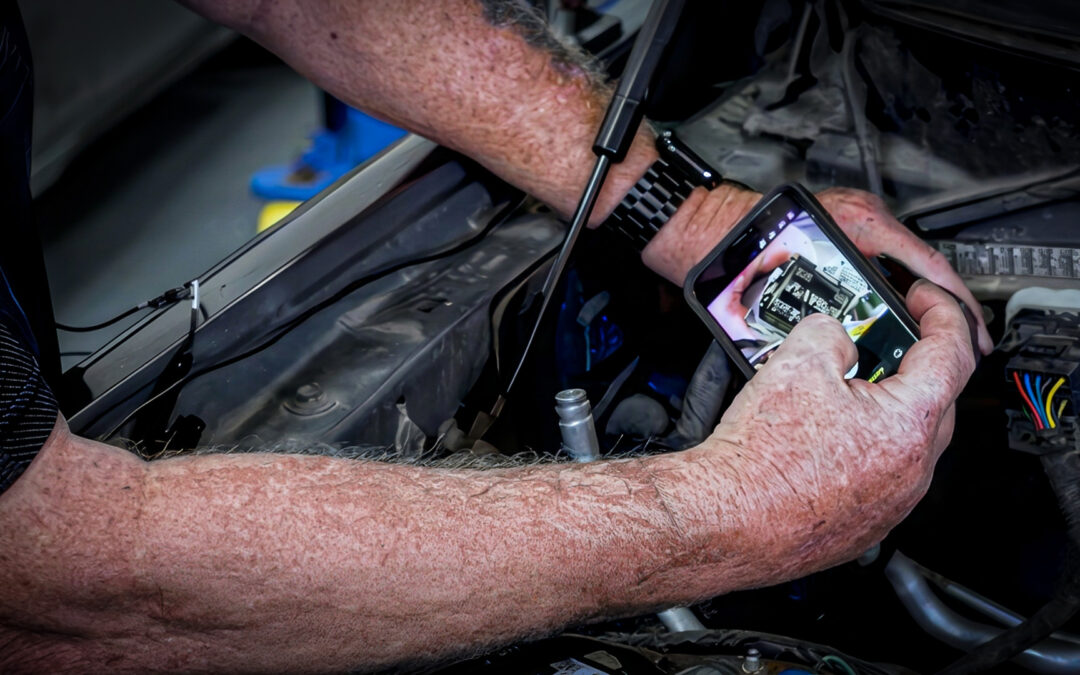
See how your smartphone’s camera can help you take a closer look in tight spots.
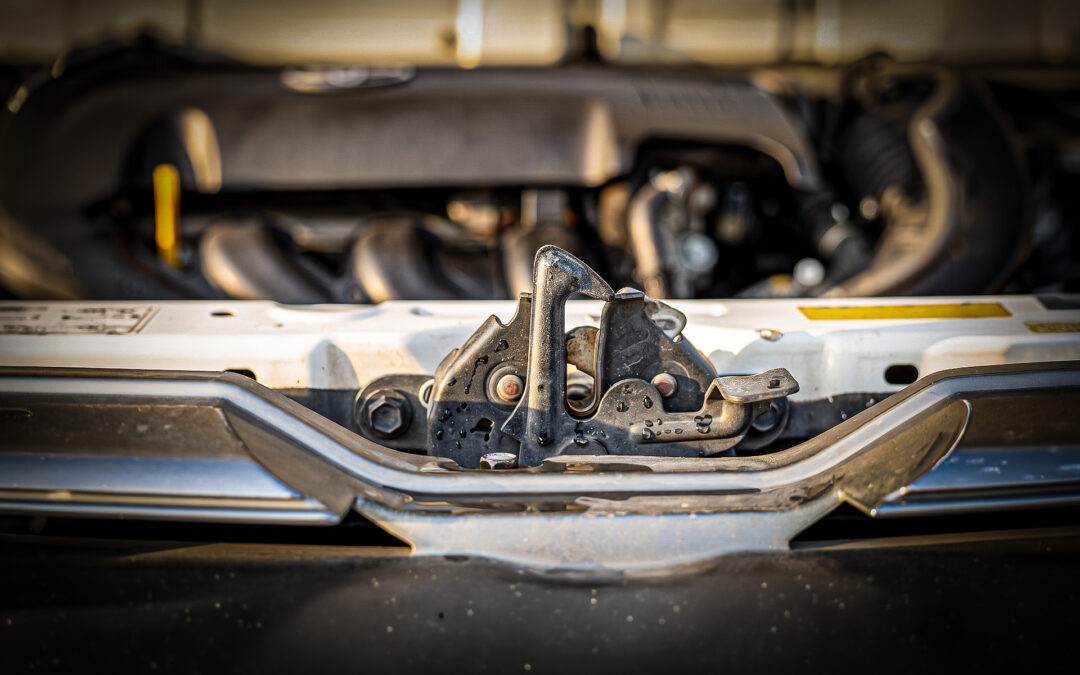
Don’t forget the “other” struts on a customer vehicle; they’re there for convenience and safety.
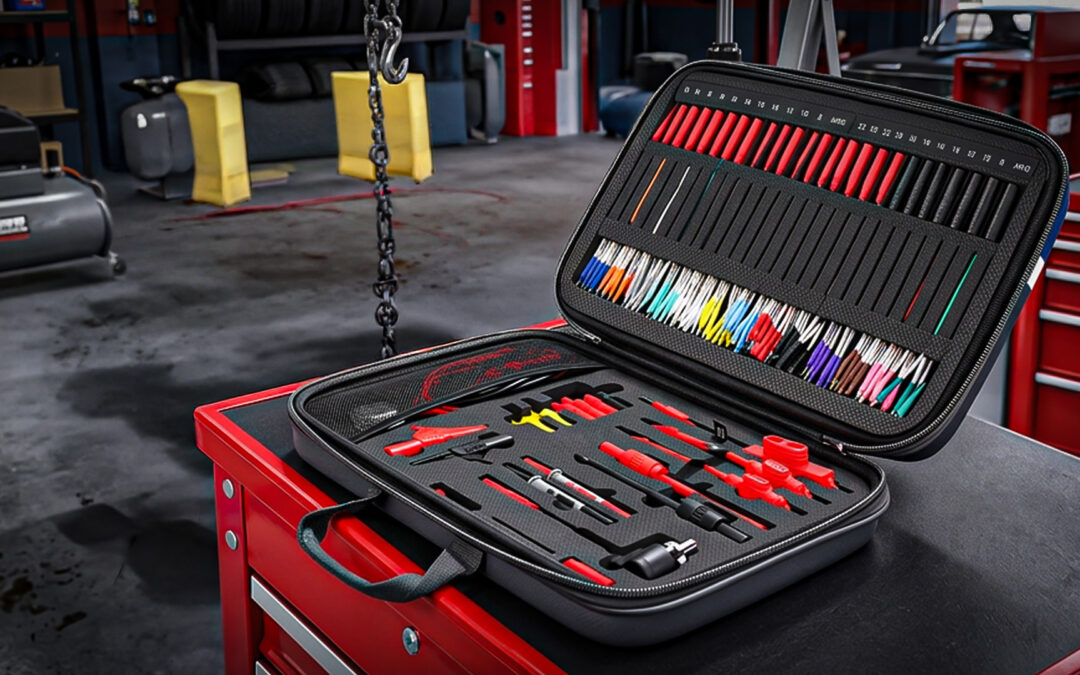
Learn how properly sized test tools can take frustration out of the equation during electrical diagnostics.

Once bitten, twice shy.
Don’t make a rookie mistake!
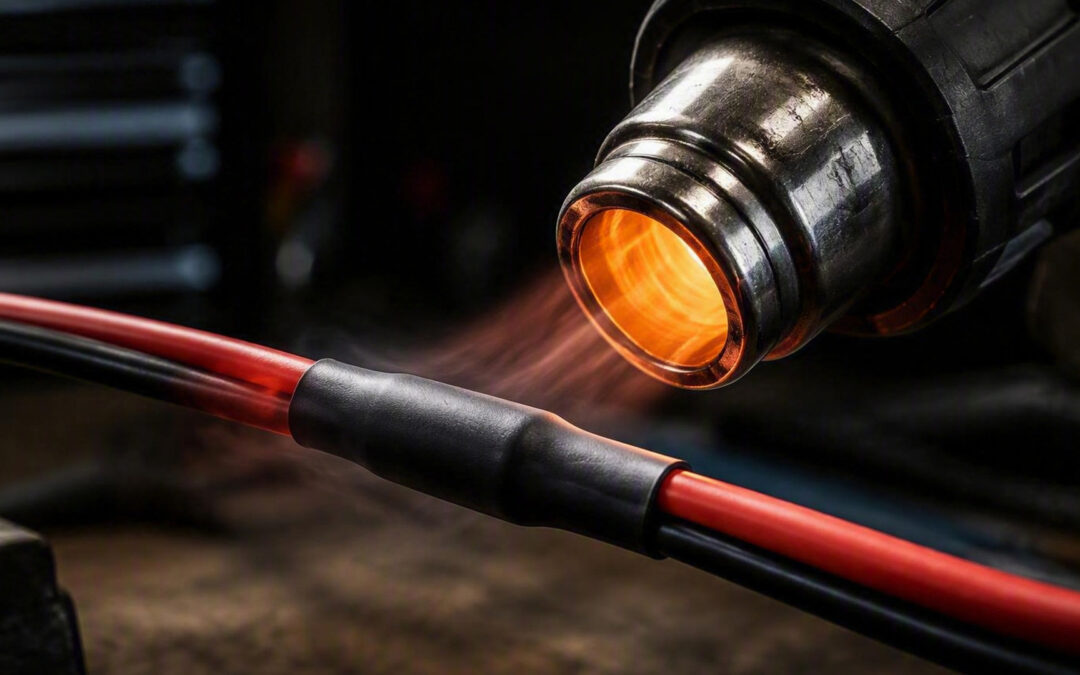
Need to make a secure electrical connection or repair with heat shrink tubing on the outside?
Participation in this forum is subject to Dorman’s Website Terms & Conditions. Please read our Comment Policy before commenting.