Maybe there’s a reason “upsell” has become a dirty word—and it might be your fault.

Service Writing Tip: Justify Your Recommendations
read more



Maybe there’s a reason “upsell” has become a dirty word—and it might be your fault.
While investigating an intermittent headlight this week, I caught a glimpse of something that raised my hackles and had me reaching for my flashlight in a hurry. Lurking in the dark, behind the headlight housing, was that … a vampire tap? With a skinny black wire snaking out of it and into the depths of the chassis? It’s enough to make any technician shudder.
Vampire taps don’t always mean trouble. That said, any customer’s installation using them should be approached with suspicion because these taps, whether inline-style or T-type, are very good at hiding mistakes and fouling your diagnostic process. While sorting out this faulty headlight, I came across two textbook vampire tap problems that can muddy your troubleshooting efforts, too. Beware!
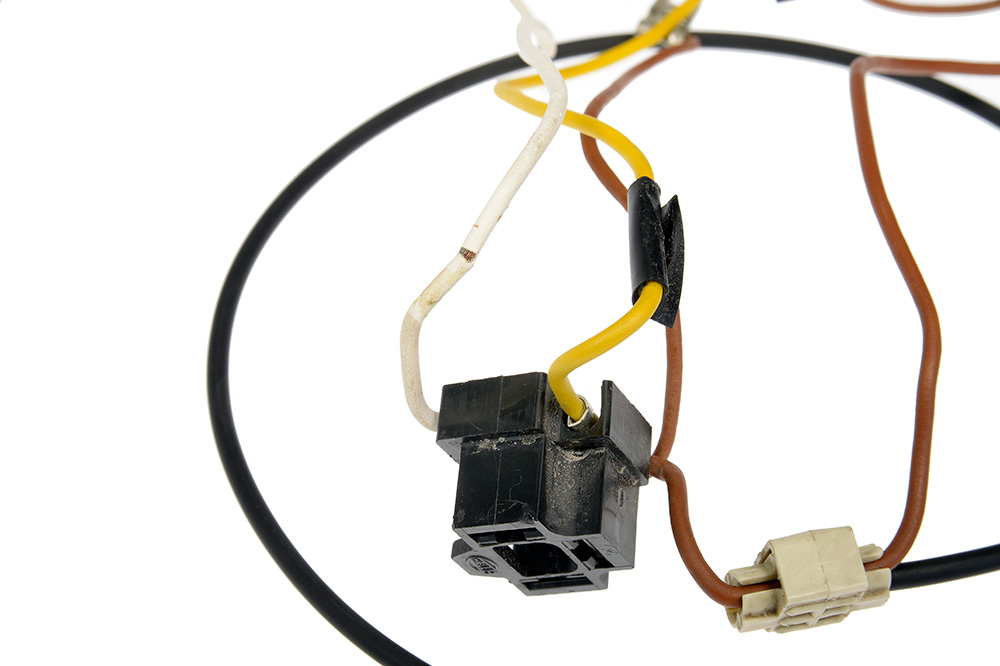
Photo: Mike Apice.
Vampire taps use the same “red/blue/yellow” color coding system as other common electrical connectors for sizing. Whoever installed the tap I found must not have known this. The itty bitty vampire tap was jammed onto a wire far too large for the forked “guillotine” inside that actually cuts the insulation and makes the tapped connection, which had been monster-mashed into place with lineman’s pliers or possibly a brick.
The result was one of the most common vampire tap problems I’ve encountered: the tap can cut through the wire strands themselves instead of just the insulation. This weakens the connection, both mechanically and electrically, and adding new wires to a damaged circuit only makes the situation worse. It’s an easy mistake for DIYers to make, but there’s not always a chance for them to see the damage without removing the tap, so trouble can lurk below the surface while the installer is blissfully unaware.
After repairing that hacked ‘n’ slashed ground wire, I confirmed its connection with my meter, and everything tested within spec. Back in the headlight housing, I snooped around a little more, and I did not like what I saw.
Almost every wire in the headlight harness had telltale “bite” marks from where other vampire taps had been installed, and then removed at some point in the vehicle’s history. Wiring without insulation is the electrical equivalent of an open wound, which is to say, not good. Moisture and oxidation could easily reach the heart of each copper strand. But, since this was a decades-old vehicle with plenty of aftermarket support, a new headlight harness was an efficient and effective fix. I can only guess that some previous owner added auxiliary/fog lights, and then removed them.
That leads straight to a second problem that vampire taps can cause: exposure to corrosion at the tap site, even when using the correct size. If the tap is removed, the insulation will have a gap, and DIYers might not know to cover it up. Alternatively, they may realize the problem, but they won’t use heat shrink to fix it for the same reasons they used a tap in the first place. So a couple wraps of plain electrical tape may be “good enough” for driveway hack jobs … until the tape gives up, unravels, and falls off. But a professional repair will properly protect the wire from corrosion long-term.
All’s well that ends well, and the headlight is back in operation. The main causes of its failure had nothing to do with the headlight at all, but the effects of sloppy vampire tap installations from its past. Keep an eye out for these sneaky issues when doing your own diagnostics. Otherwise, they’ll return to haunt your bay again!
The articles and other content contained on this site may contain links to third party websites. By clicking them, you consent to Dorman’s Website Use Agreement.

Customers trying to save a buck with alternative fuels can leave you with diagnostic headaches. Don’t be caught off guard.
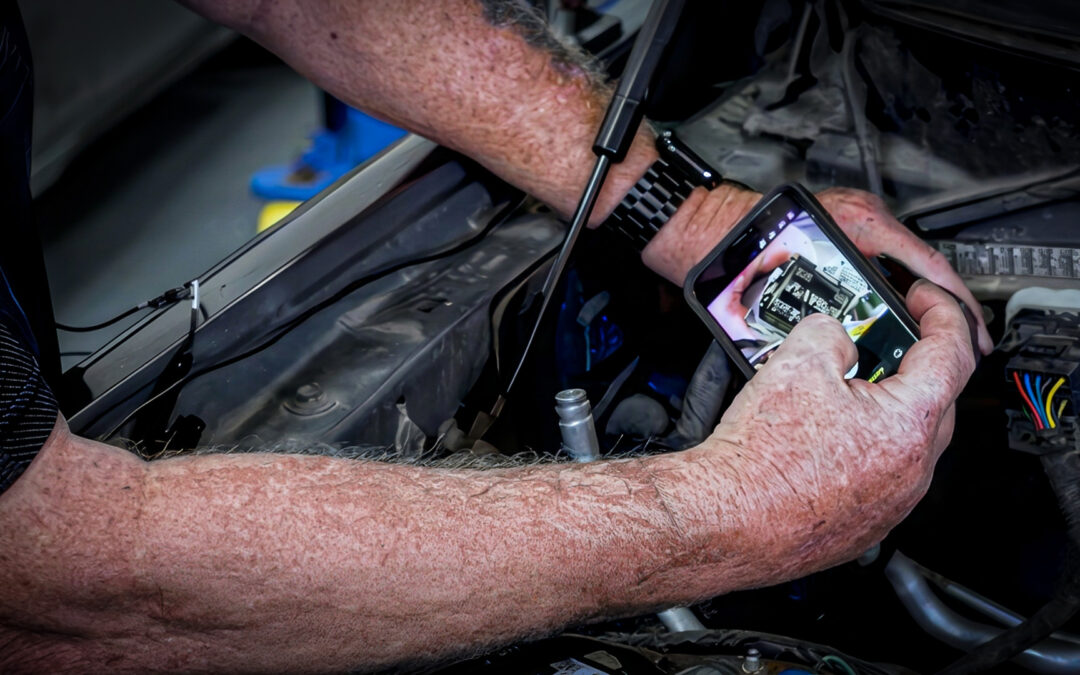
See how your smartphone’s camera can help you take a closer look in tight spots.
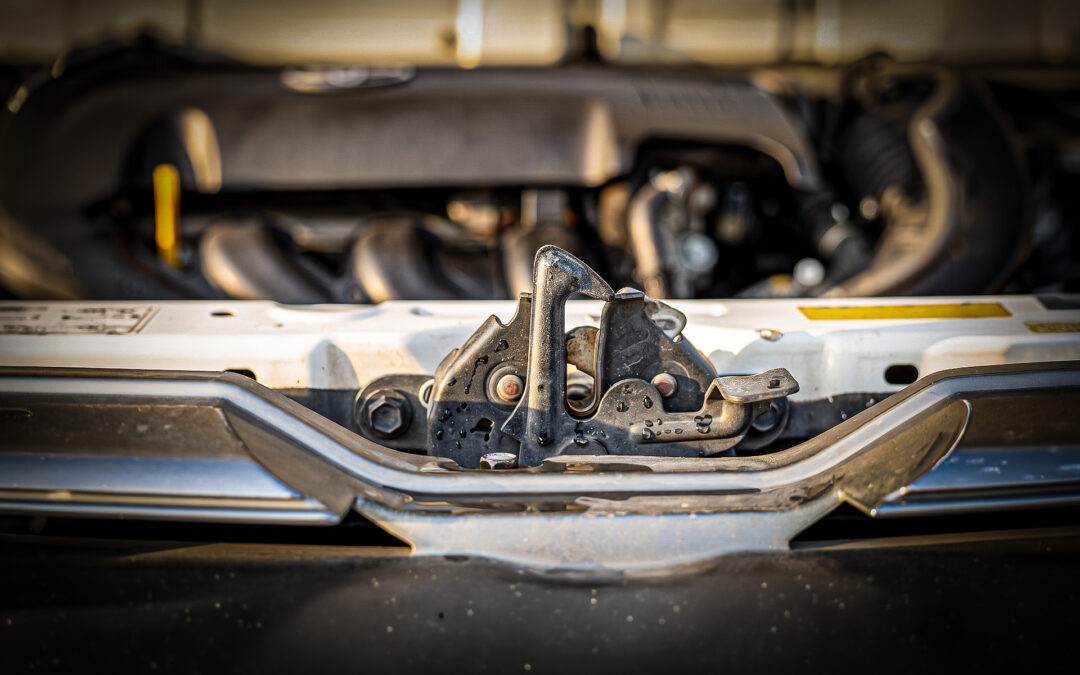
Don’t forget the “other” struts on a customer vehicle; they’re there for convenience and safety.
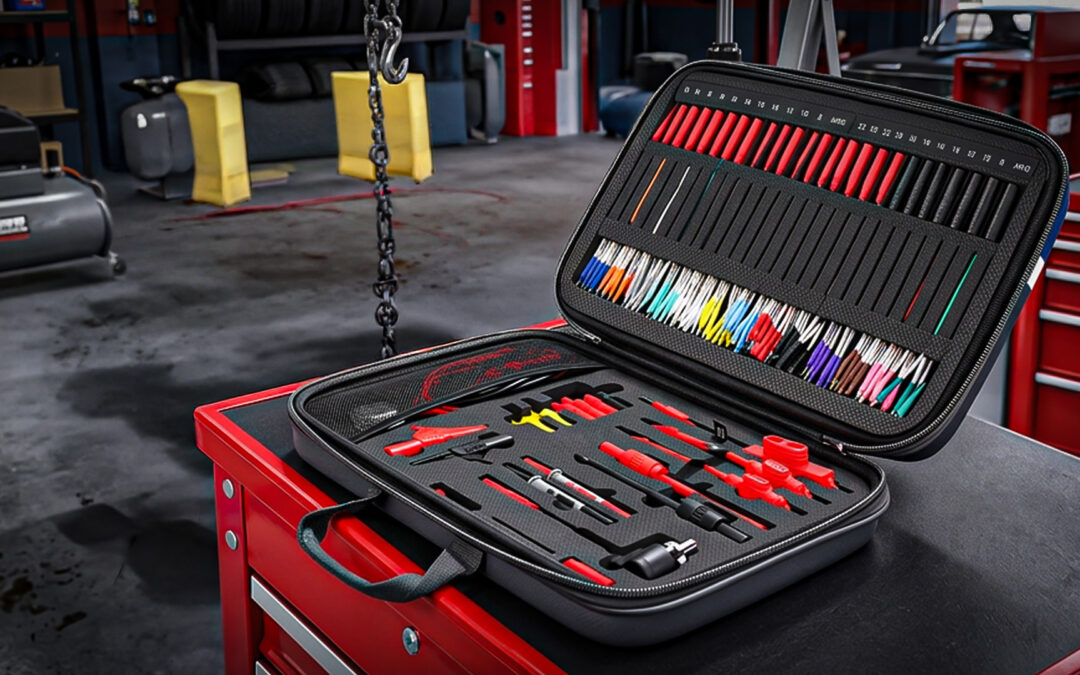
Learn how properly sized test tools can take frustration out of the equation during electrical diagnostics.
Don’t make a rookie mistake!
Need to make a secure electrical connection or repair with heat shrink tubing on the outside?
Participation in this forum is subject to Dorman’s Website Terms & Conditions. Please read our Comment Policy before commenting.