“Drive it ‘til the wheels fall off” isn’t the safest decision. So when does it end?
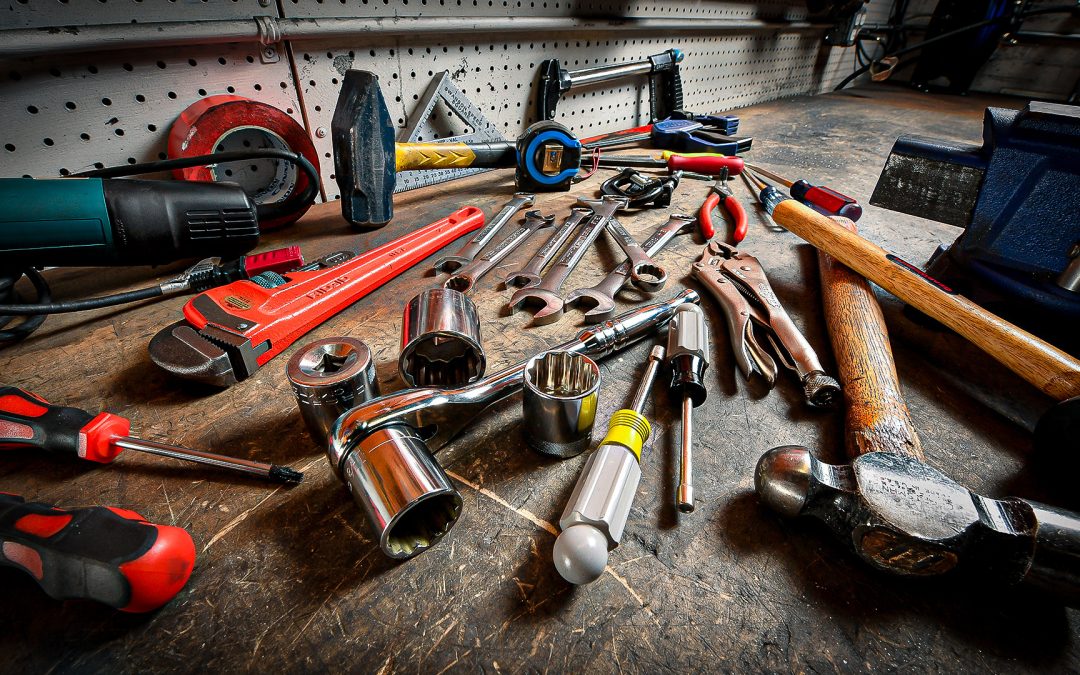
Back Away from the Wrenches
read more


“Drive it ‘til the wheels fall off” isn’t the safest decision. So when does it end?
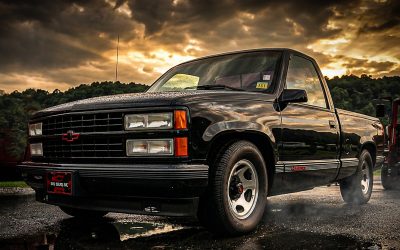
The 454 SS combines the time capsule looks of the GM GMT400 platform with an entertaining drive that harkens back to the muscle car heyday.
Technician A says the ECM’s main job is to keep emissions within certified limits. Technician B says fuel trim PIDs show corrections to fuel calculations. Who is correct?
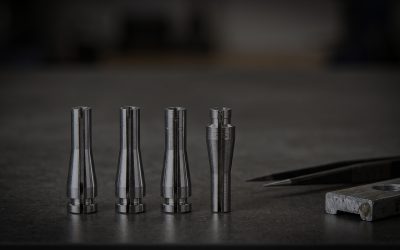
Supplemental information to make your first rodeo a little easier.
Shop Press is the news and idea hub for everything related to working on cars and trucks, focusing on repair, technology, and wrenching lifestyle. With interesting stories from around the world, features on creative people and solutions, and all kinds of other stuff that’ll make you use your mind and your hands.
Auto care news and advice you can use.
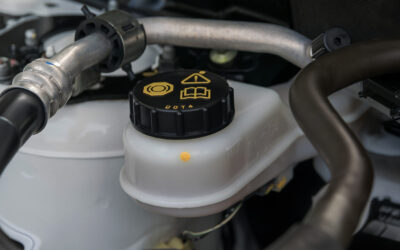
We all know how to bleed brakes—but are you missing a final step?
Salt isn’t so good, but for many vehicles, a little pepper goes a long way.
Proper cooling system maintenance goes beyond time and mileage, requiring technicians to evaluate coolant condition, additive depletion, and the root causes behind cooling system issues.
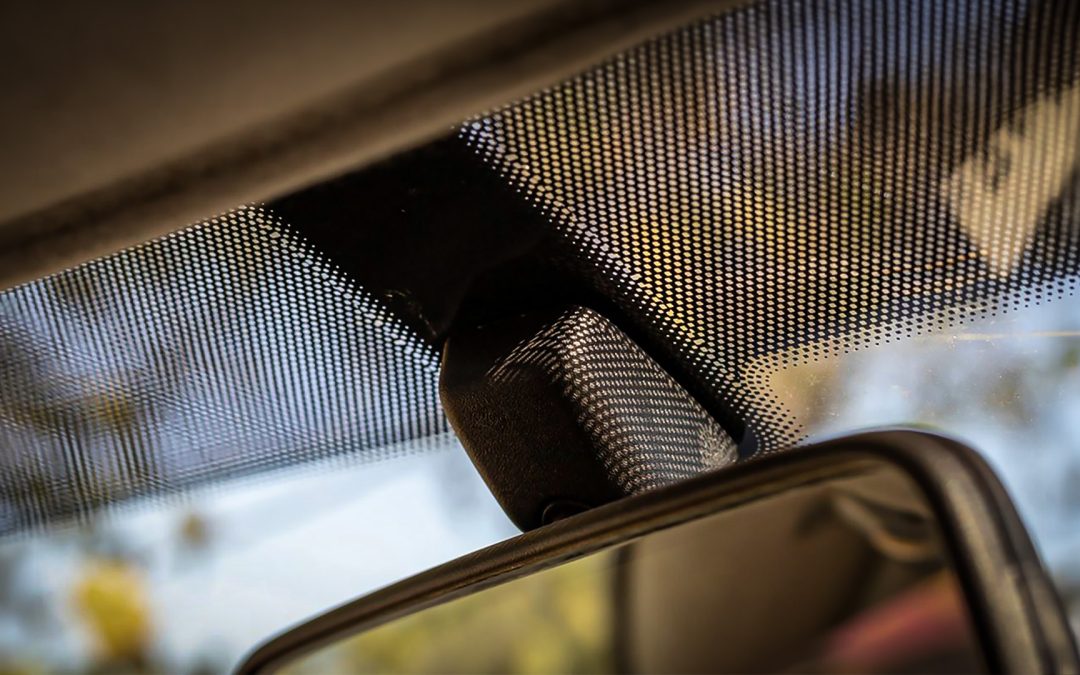
You probably see them every day, and that’s by design.
Technician A says other codes should be diagnosed before replacing the converter for a P0420 code. Technician B says an upstream exhaust leak can trigger the code. Who is correct?
Are you a wrench and a writer? A counterperson and a communicator? A service writer and a scribe? Get paid to share your experience and expertise with thousands of Shop Press readers.
Auto care news and advice you can use.
Too many technicians make these simple mistakes while performing oil changes for customers.
Technician A says cabin air filters protect occupants from 200+ contaminants, while Technician B says they protect the evaporator core from blower motor particles.
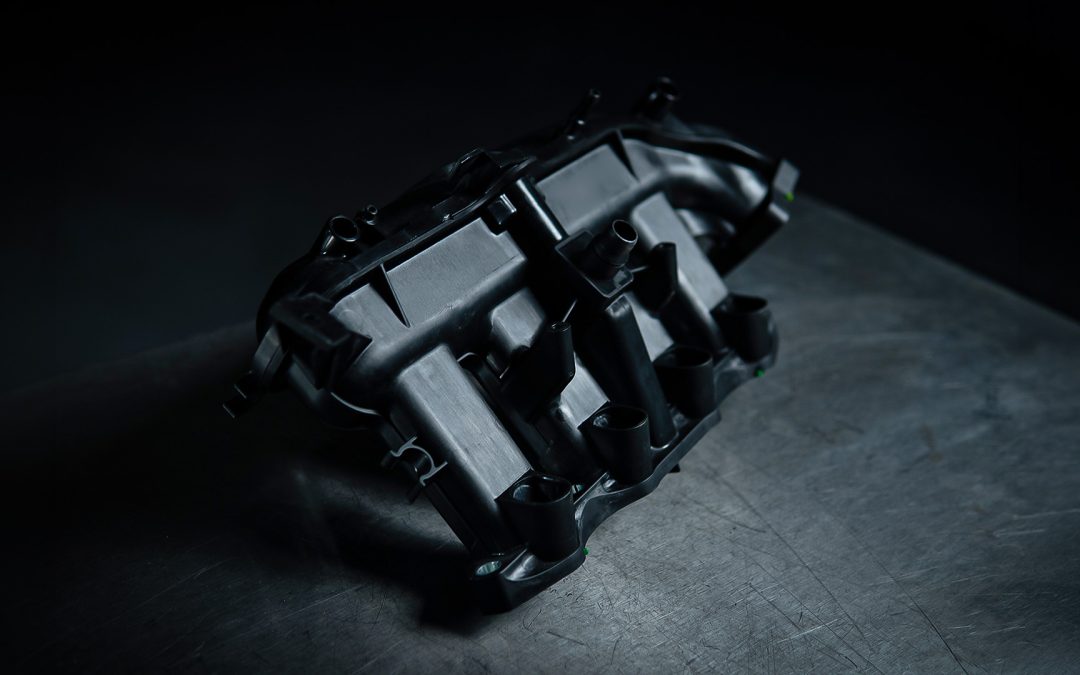
Find out when plastic intakes go bad, and why you should or shouldn’t replace one.
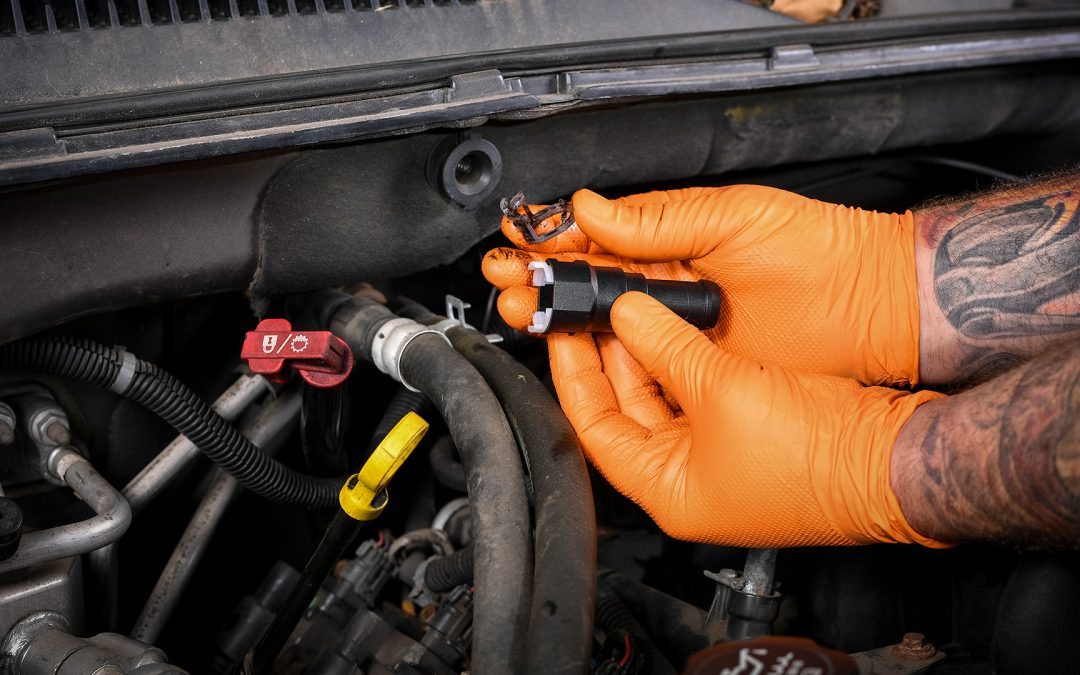
Quick disconnect tools are a must for modern fuel, A/C, or transmission line jobs; no more fighting clips.
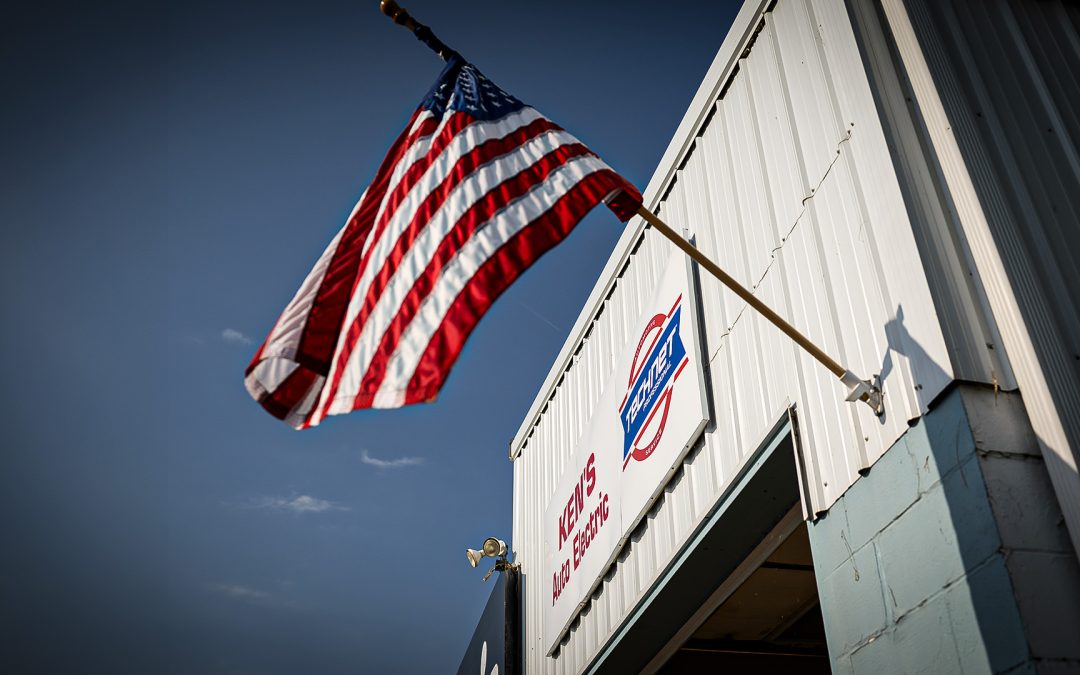
If you have to have them in the shop, endeavor to make politics polite.
Proper cooling system maintenance goes beyond time and mileage, requiring technicians to evaluate coolant condition, additive depletion, and the root causes behind cooling system issues.
You probably see them every day, and that’s by design.
Technician A says other codes should be diagnosed before replacing the converter for a P0420 code. Technician B says an upstream exhaust leak can trigger the code. Who is correct?