Maybe there’s a reason “upsell” has become a dirty word—and it might be your fault.

Service Writing Tip: Justify Your Recommendations
read more



Maybe there’s a reason “upsell” has become a dirty word—and it might be your fault.
Disclaimer: Dorman Products purchased this kit at full price.
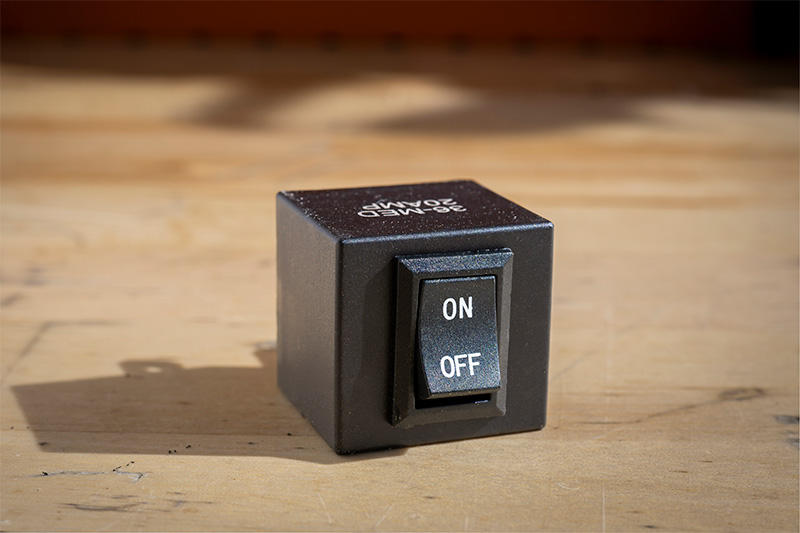
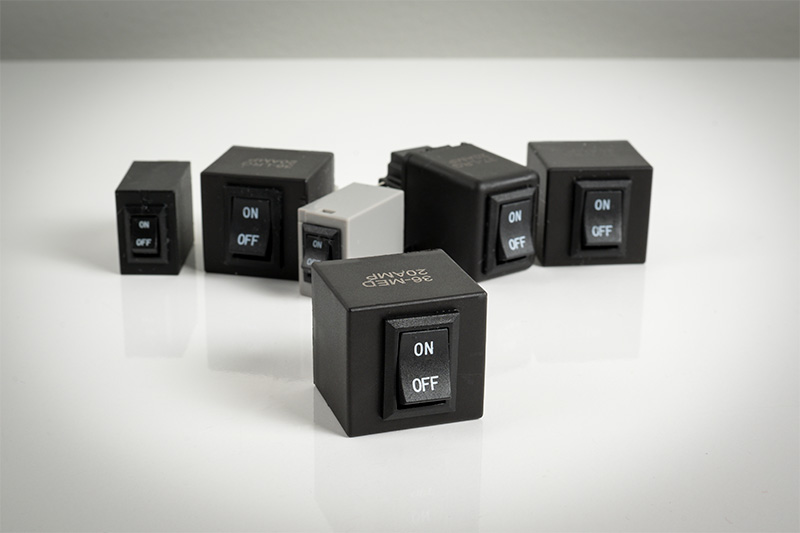
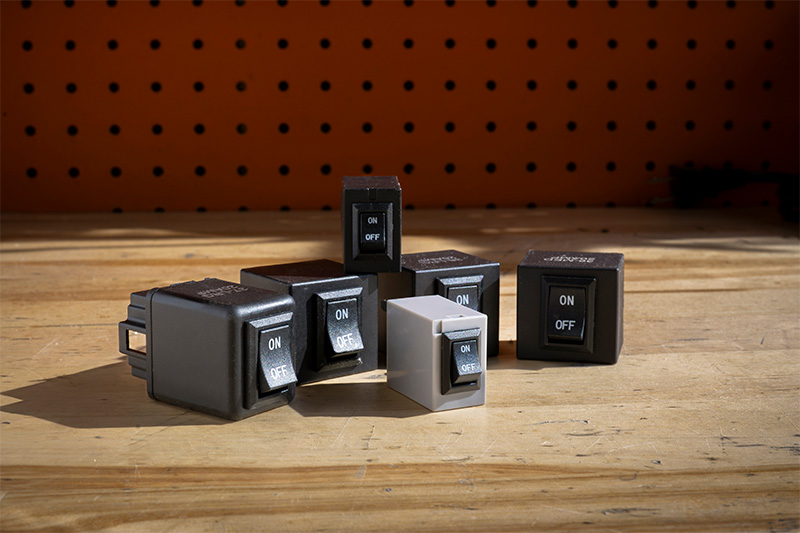
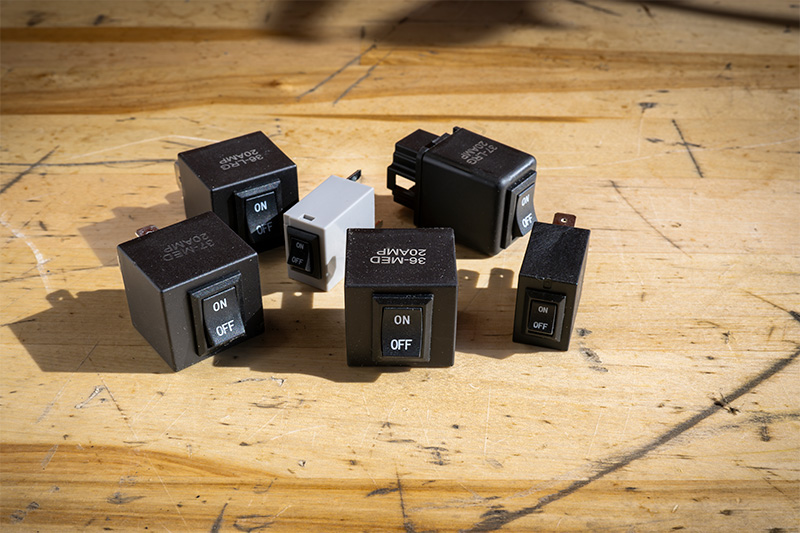
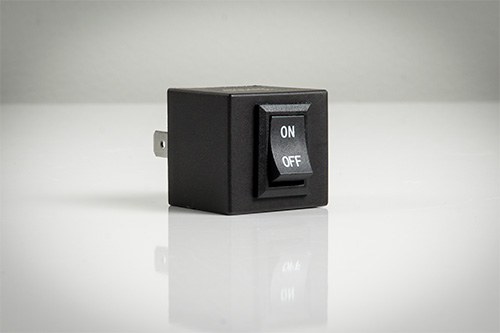
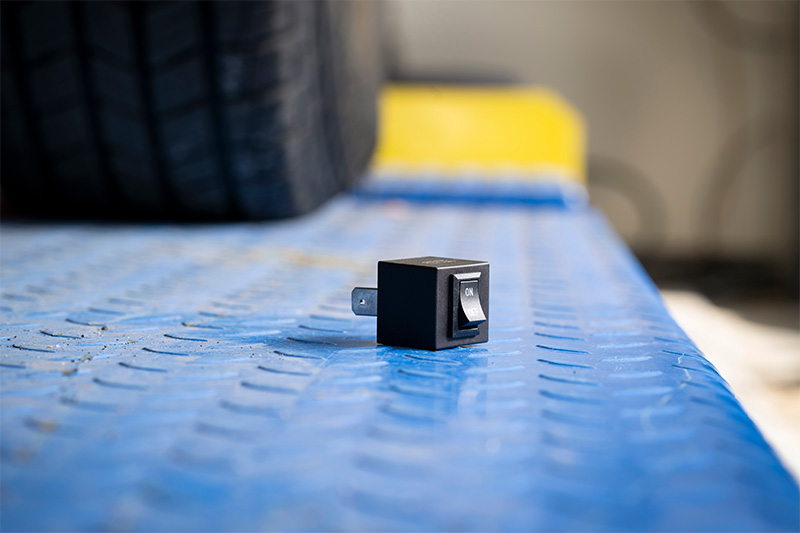
In the interest of serious investigative reporting, I swiped the Shop Press credit card for $14.83 to try out a diag tool I thought looked super-cool: the relay bypass. What’s that? Short version: Imagine a relay-shaped manual SPST switch.
Longer version: A relay, at its core, is an electrically actuated switch. A relay bypass replaces that function with a manual switch. Some bright soul got the idea to take six common relays and fit them with on-off rocker switches, the end result possessing the common “footprints” for automotive (“ice cube style”) relays. They can then be swapped into a vehicle fuse box or power center to give a technician manual control of the item receiving power.
Brilliant.
Now I thought Andy’s find of resettable breakers in a fuse footprint was interesting, but I was a little dubious about how often I might reach for them as a tech. But these babies? I feel a little differently.
What do I love here? A few things. I can test a component and its controlling relay for function at the same time. I don’t have to look up pinouts for common relays that I forget every time. I don’t have to open up a relay and put power to it to see if it’s working. I don’t have to build/scrounge/dig for stuff to make jumper wires. These sort of turn diagging relays from a painful punishment into something super-fast.
There’s really only one downside I can see: some of these are fitted with 10A switches, and they’re not fused. So, y’know, ya gotta use ‘em with caution or you’ll blow up one of your new toys. But that doesn’t seem like a very expensive proposition to me.
You know when I’m gonna use these? The next time someone brings me in a full fuel tank on a job where it needs to come down. Fuel caddy. Hmmph!
Now I thought Andy’s find of resettable breakers in a fuse footprint was interesting, but I was a little dubious about how often I might reach for them as a tech. But these babies? I feel a little differently.
What do I love here? A few things. I can test a component and its controlling relay for function at the same time. I don’t have to look up pinouts for common relays that I forget every time. I don’t have to open up a relay and put power to it to see if it’s working. I don’t have to build/scrounge/dig for stuff to make jumper wires. These sort of turn diagging relays from a painful punishment into something super-fast.
There’s really only one downside I can see: some of these are fitted with 10A switches, and they’re not fused. So, y’know, ya gotta use ‘em with caution or you’ll blow up one of your new toys. But that doesn’t seem like a very expensive proposition to me.
You know when I’m gonna use these? The next time someone brings me in a full fuel tank on a job where it needs to come down. Fuel caddy. Hmmph!
The articles and other content contained on this site may contain links to third party websites. By clicking them, you consent to Dorman’s Website Use Agreement.
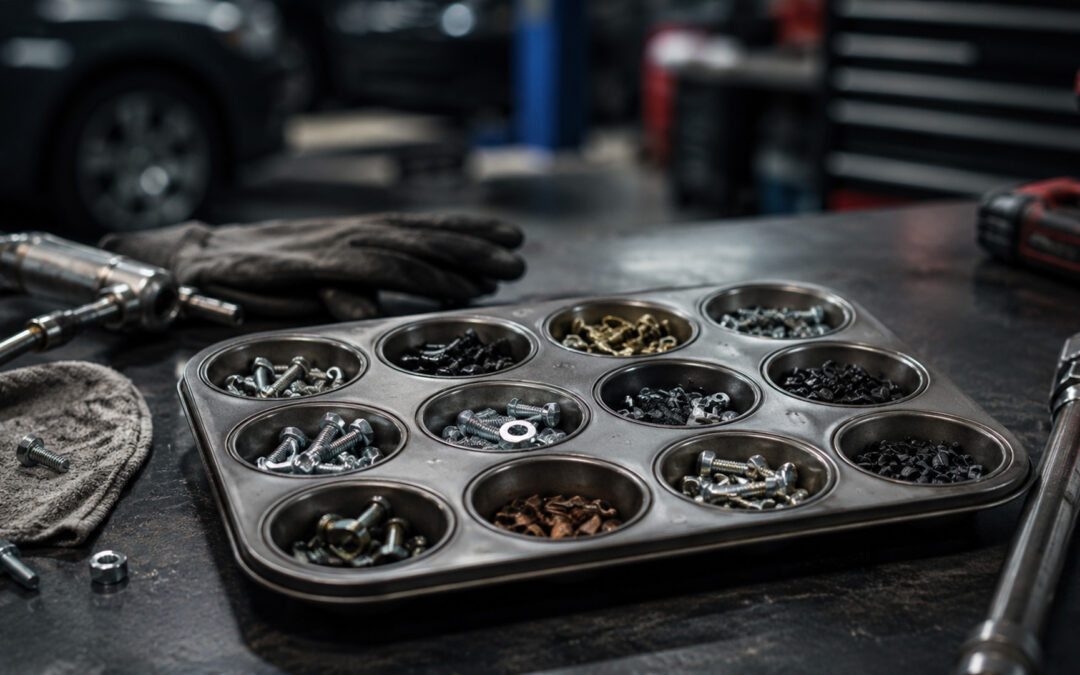
Keeping track of small parts during a job can be tricky, but there’s a cheap and effective way to solve that problem.
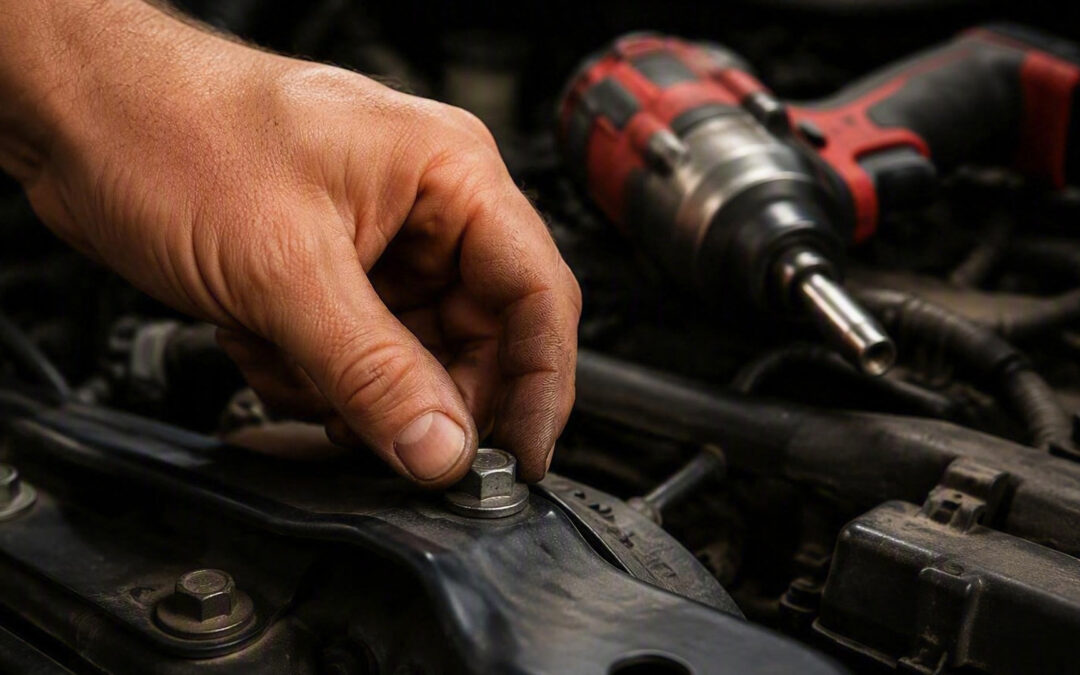
Cross-threading or stripping a fastener can bring progress to a halt in an instant. Start by hand-threading fasteners.
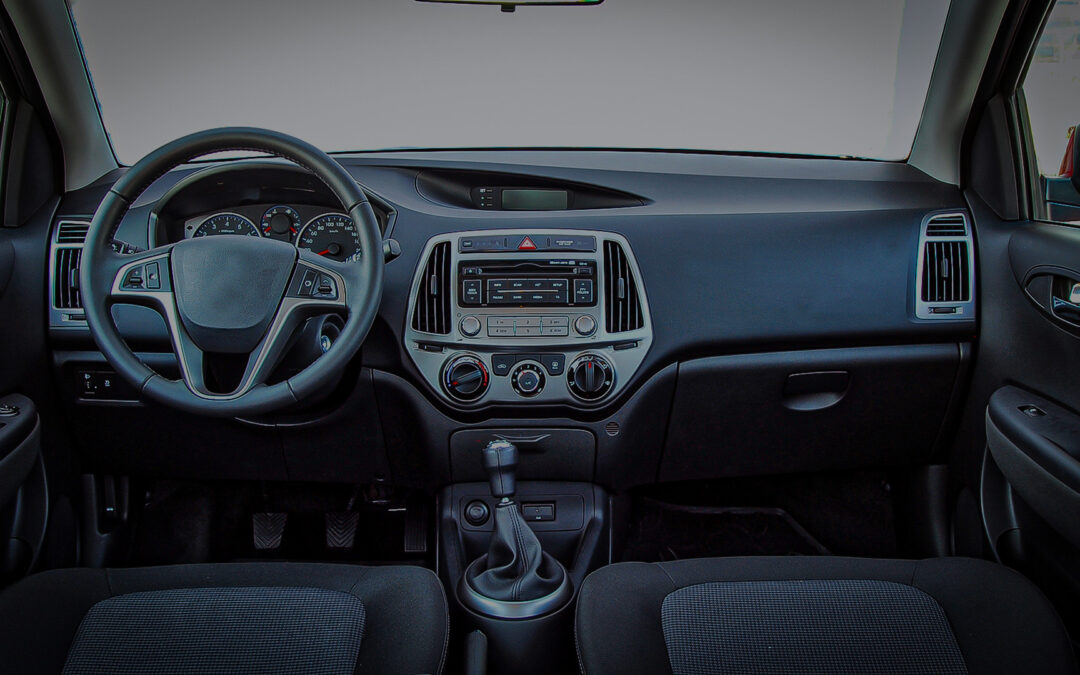
Every car you touch is full of it, but it’s not in any service manual. Here’s the working tech’s guide to plasticizers: why plastic goes soft, sticky, chalky, and cracked, what actually happens when you hit trim with a torch, and why your customer’s dash keeps fogging the windshield.

Ever get up to your elbows in a diagnostic problem, only to wind up right where you started an hour later?
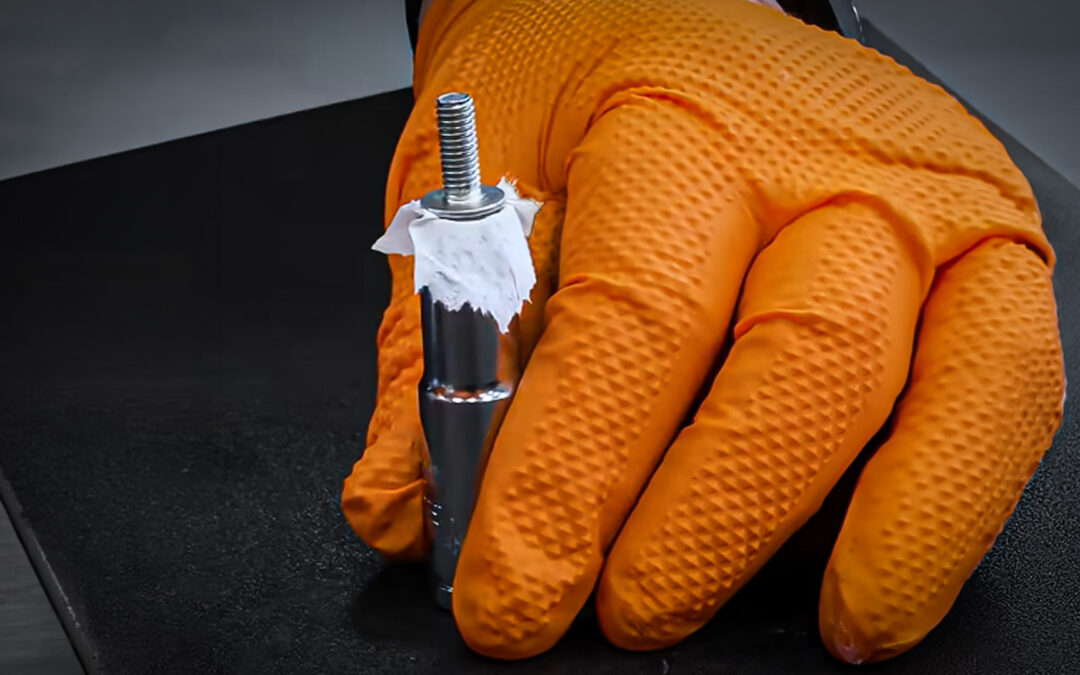
Having trouble hanging onto a nut or bolt with a socket?
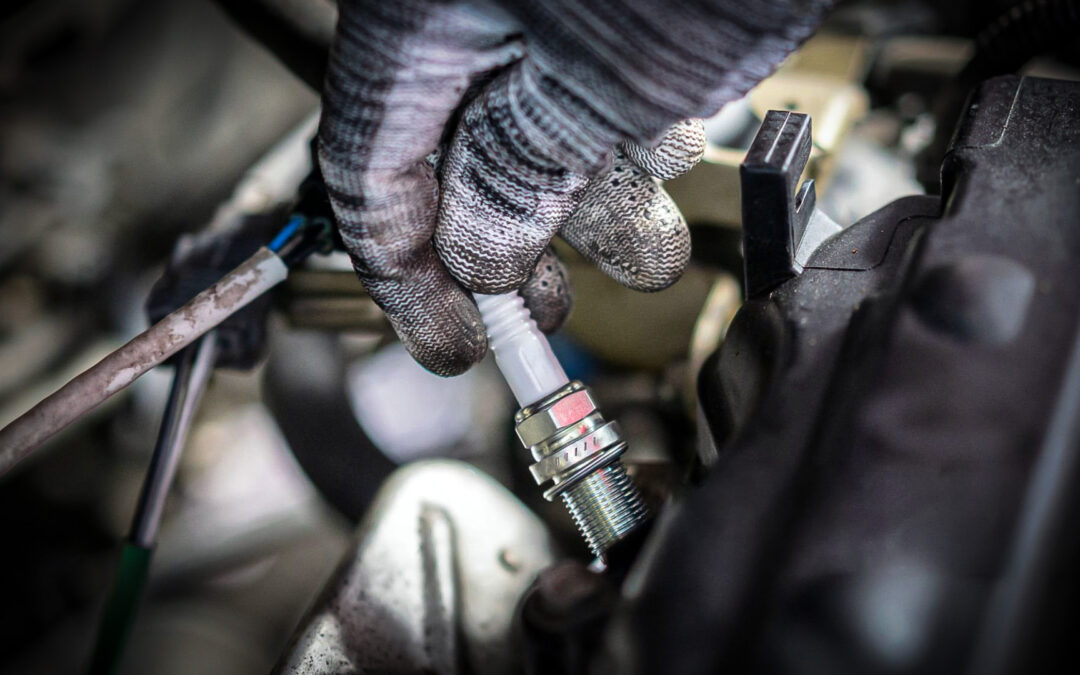
Are you making any of these three common mistakes?
Participation in this forum is subject to Dorman’s Website Terms & Conditions. Please read our Comment Policy before commenting.