Maybe there’s a reason “upsell” has become a dirty word—and it might be your fault.

Service Writing Tip: Justify Your Recommendations
read more



Maybe there’s a reason “upsell” has become a dirty word—and it might be your fault.
Have you ever taken a glimpse at the front end of an electric vehicle and thought, “Wait…is that a radiator?” Why does an electric car even need a radiator when it doesn’t have an internal combustion engine? Turns out there are plenty of things on an EV that need liquid cooling.
Here are the most common electric vehicle components that rely on an old-fashioned radiator to keep things cool.
It takes a lot of energy to move an electric vehicle. That energy is stored and released by the main traction battery. Transferring energy in and out of a rechargeable battery pack generates heat. For recharging, the faster you charge a battery the more heat it creates. The same goes for discharging during hard acceleration, climbing hills, or hauling a heavy load. Electricity flowing through the electrical systems (wiring, connectors, battery cells, etc.) also creates heat. The most common way to deal with this heat is liquid cooling. Crucial components often include heat exchangers that shed their thermal load into the coolant, which is then carried to the radiator.
It is worth noting that not every EV battery pack uses liquid cooling. Only recently did Nissan add liquid battery cooling to the Nissan Leaf. BMW’s i3 shares refrigerant with the air conditioning system in order to cool the battery pack. But by far liquid cooling is the most common method.
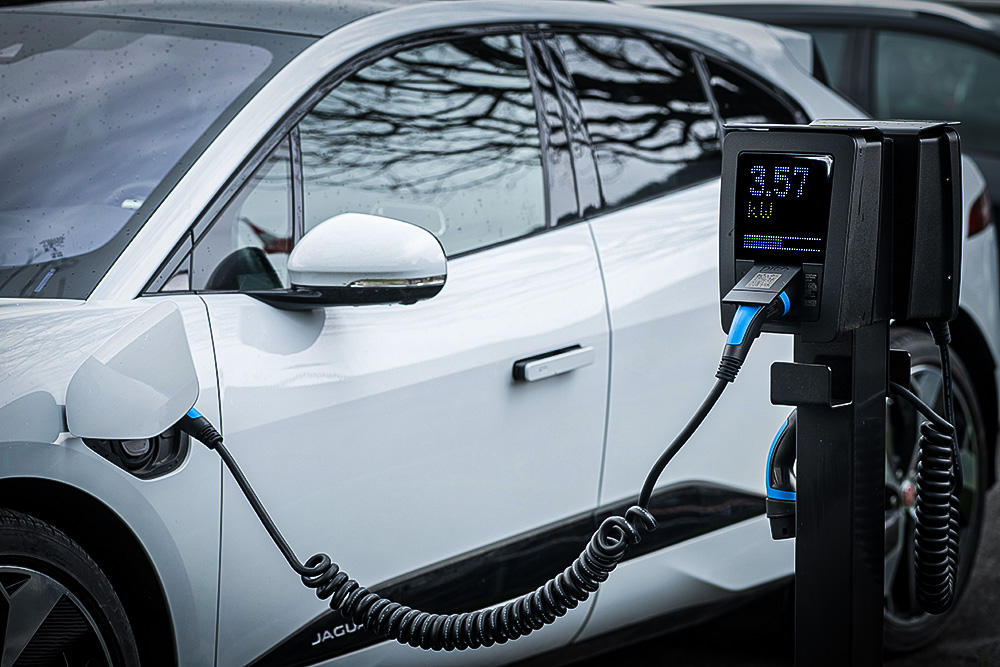
Even though there is no internal combustion happening, the motor of an electric vehicle still generates heat. It takes energy to generate torque, so the motor draws more electrical current from the battery pack. Turning that electrical energy into motion through the motor windings and internal wiring creates heat. EV motors are usually tucked away where air cooling isn’t enough. By incorporating liquid cooling into the motor, excessive heat can be carried away before it can cause damage. The liquid cooling may also extend to the transaxle in some cases.
Did you know that most electric vehicles use both direct current (DC) and alternating current (AC)? The main battery pack stores energy in DC form while the traction motor runs on AC power. It takes a special inverter to convert from DC to AC, and as the traction motor works harder, it needs more power which the inverter has to convert. This creates heat inside the inverter that has to be shed or else driving performance could be negatively affected. Even if the traction motor isn’t working hard, hot weather can cause the inverter to heat up more than usual which also harms operating efficiency.
When you plug in an EV to charge, the power flowing through the charging cable is likely AC. That’s because power from the electric grid is AC. The work of converting AC power to DC happens in the onboard charger. Charging generates heat which is why some automakers have included liquid cooling into the onboard charger itself. By cooling the onboard charger and increasing charging amperage from the AC power source, it is possible to charge an EV at a faster rate.
It is important to note that direct DC fast charging has been a huge step in making EVs more acceptable to the masses who are used to topping up a fuel tank in just a few minutes. A DC fast charger bypasses the onboard battery charger and passes power directly to the battery pack.
When it comes to turning electricity into motion it is no surprise that heat is a byproduct. Sometimes the best solution to a problem is one that is right in front of you. Or in this case, right in front of the car. The next time you work on an electric vehicle, you may be surprised to find more than a few familiar components.
The articles and other content contained on this site may contain links to third party websites. By clicking them, you consent to Dorman’s Website Use Agreement.
It’s not just you. This job ain’t what it used to be.
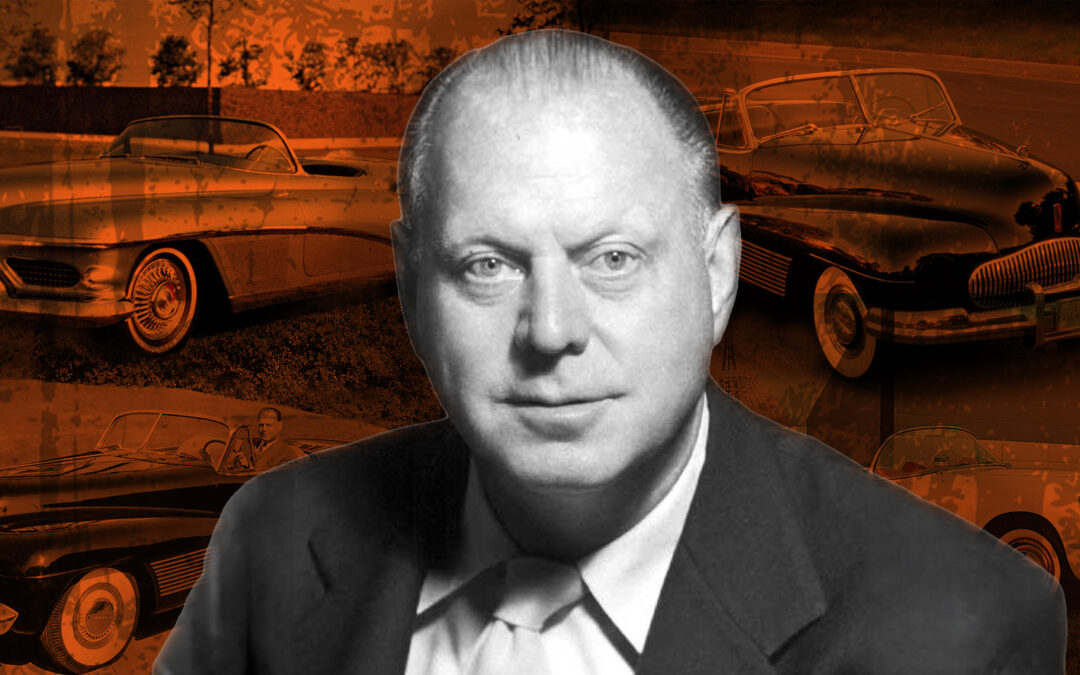
As General Motors’ first design chief, Harley Earl transformed the automobile from a machine into a cultural icon.

Aging roads and infrastructure might play a role in planning your shop’s future business.
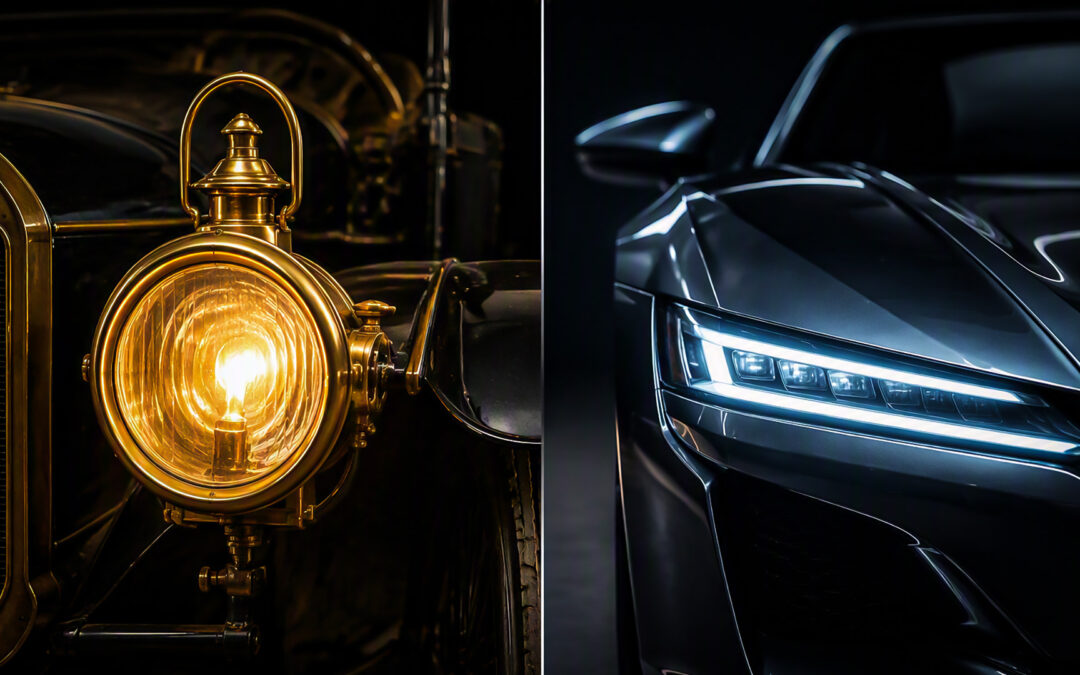
You may not think it, but automotive lighting has come a long way.
Here are eight cars that paved the way for modern engines.
Ostensibly simplistic for casual users, the SAE plug is often an accident waiting to happen.
Participation in this forum is subject to Dorman’s Website Terms & Conditions. Please read our Comment Policy before commenting.