Do you favor margin or revenue?

Is an Appointment-Only Shop Schedule Wise or Madness?
read more



Do you favor margin or revenue?
Other than the obvious blowby issue, one thing that jumps out is the dipstick waving like a flag in the breeze. For you newer mechanics and home gamers: take a lesson! No doubt this was done intentionally. It is a certainty that this car came in for an oil change and the blowby problem was caught halfway through the job.
This unofficial “half position” for the dipstick is used by many mechanics and shops. If you haven’t been taught this little trick, make it yours. It’s good practice to “stick” a car (check the oil level) when it comes into your bay. If it’s in your bay to get an oil change, once you get the level, don’t reinstall the dipstick fully. Insert the stick just as you see in this video. Immediately after that, yank the oil cap and stick it right on the hood latch.
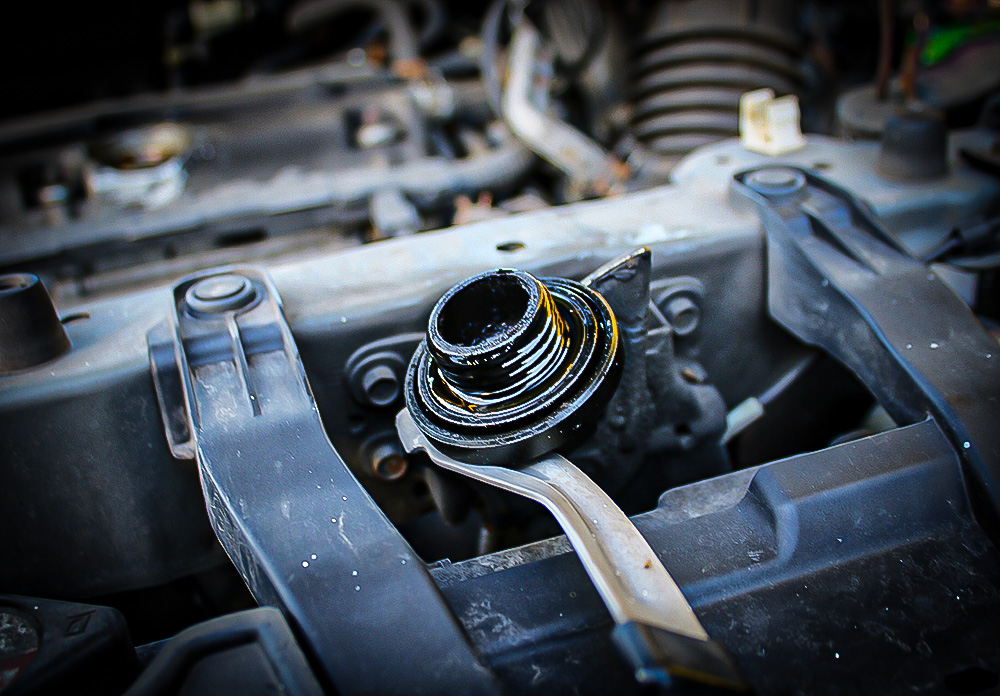
Photo: Jonathan Roth.
Both of these moves serve as a warning to other mechanics that the vehicle has no oil in it. More importantly, it serves as a reminder to YOU that the vehicle’s LOF is not complete. This is especially important if you’re stepping away from the job. No, maybe you’re not leaving for the day, but even stepping aside for a sandwich or a smoke break and misremembering whether you put in fresh oil can be catastrophic.
Why? If you haven’t figured it out yet: attempting to close the hood (you shouldn’t since you see the stick, of course), the clatter of the hood hitting the stick and bending it should alert you that there’s a problem. Same thing with the oil cap—if you close the hood on a car that has a plastic cap in the latch, it shouldn’t go well; the cap will likely break.
These are good things! Yes, it would stink to have to buy a stick and/or a new oil cap for a customer. But doing so means you prevented the car from being sent off the lot with no oil—a very expensive move.
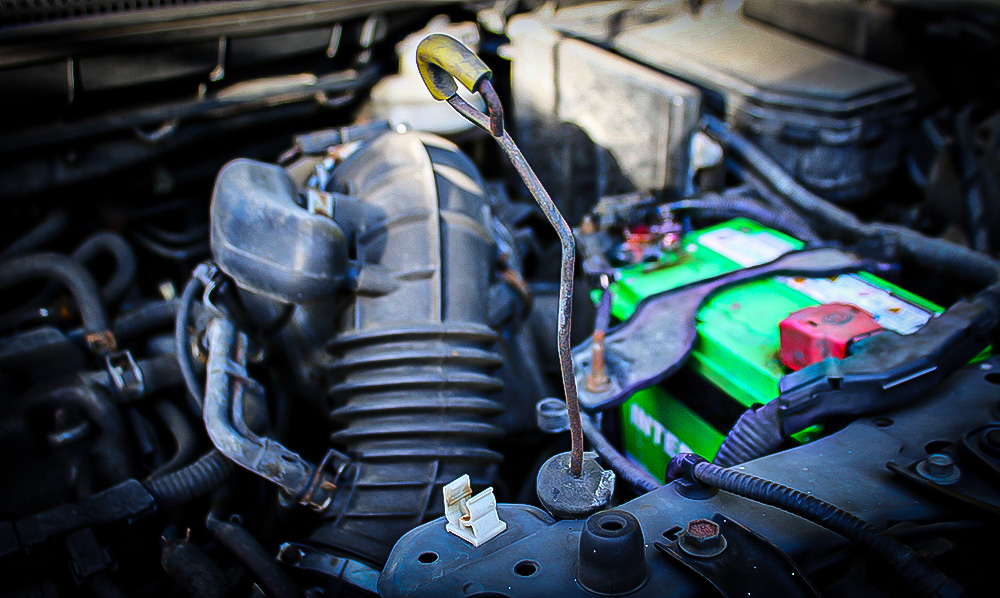
Photo: Jonathan Roth.
Train yourself to do this over the course of a week and it will be second nature. Most of us have been doing it for decades.
The articles and other content contained on this site may contain links to third party websites. By clicking them, you consent to Dorman’s Website Use Agreement.
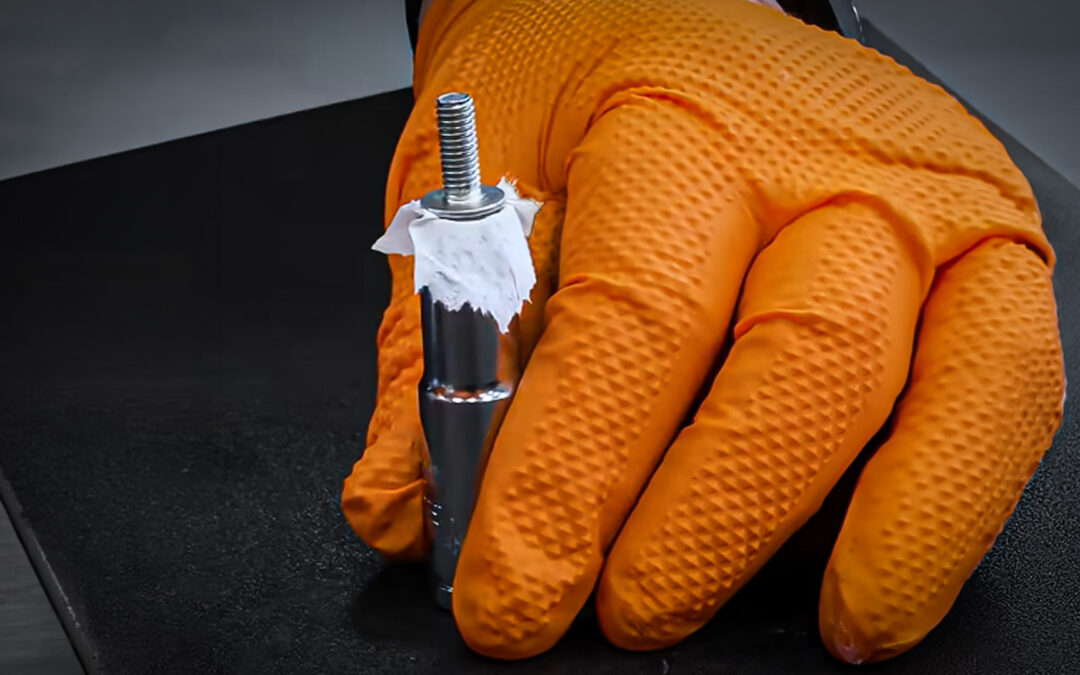
Having trouble hanging onto a nut or bolt with a socket?
Are you making any of these three common mistakes?
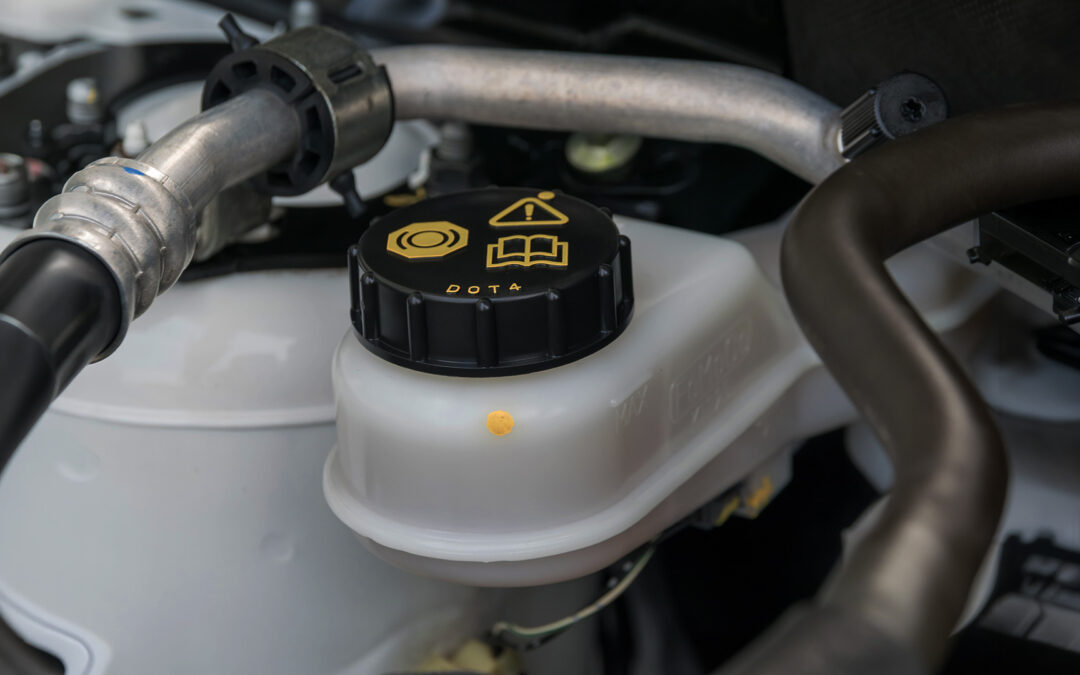
We all know how to bleed brakes—but are you missing a final step?
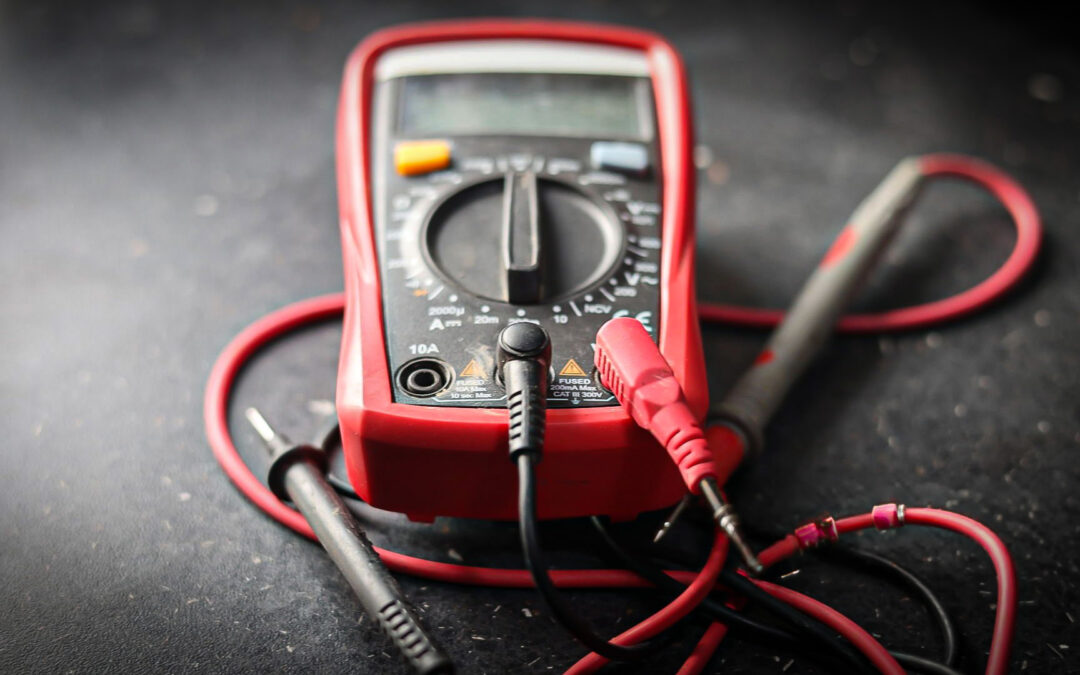
How to check the battery and fuses in your DVOM/multimeter to make sure that it’s ready to go for your next job.
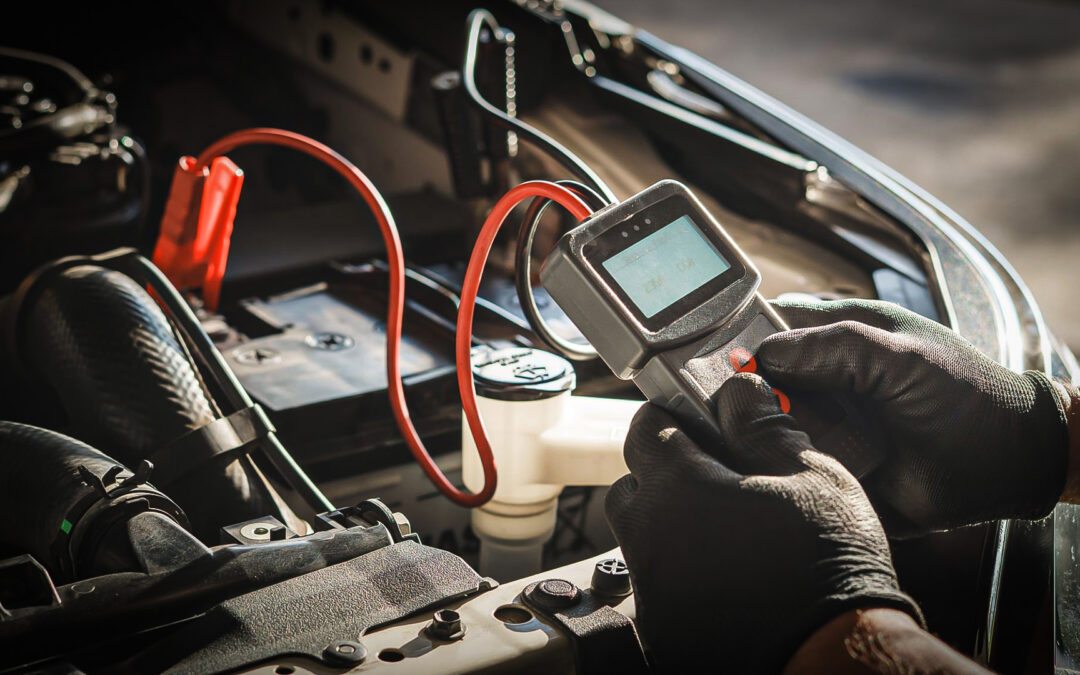
Does your customer need a new battery? Learn how to properly test an aging or questionable battery.
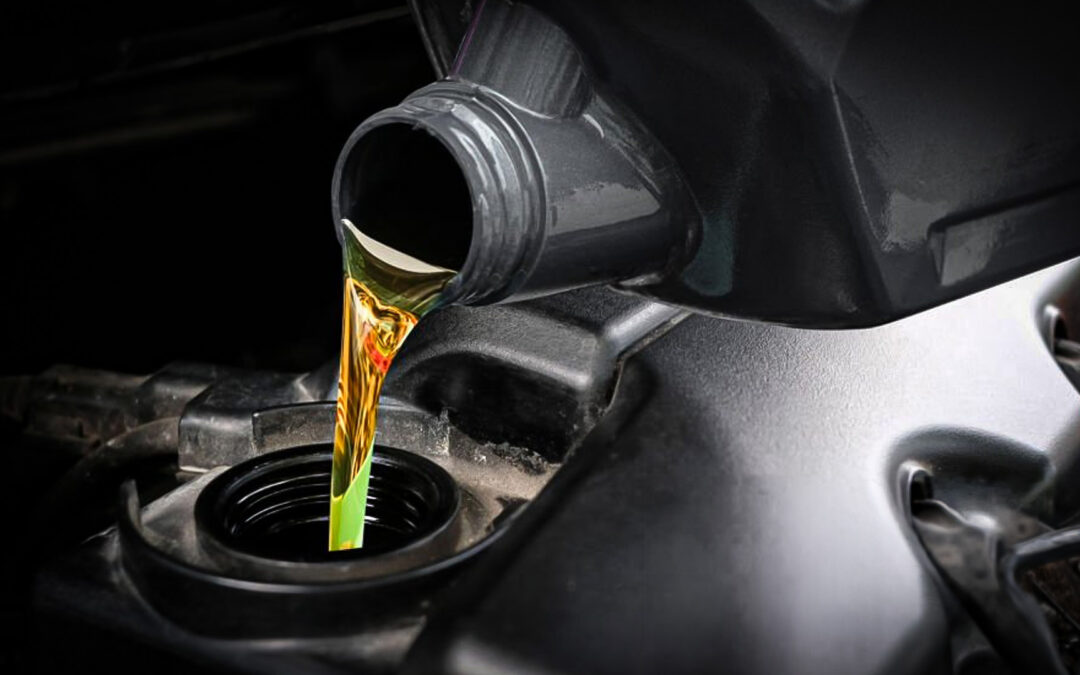
Too many technicians make these simple mistakes while performing oil changes for customers.
Participation in this forum is subject to Dorman’s Website Terms & Conditions. Please read our Comment Policy before commenting.