Do you favor margin or revenue?

Is an Appointment-Only Shop Schedule Wise or Madness?
read more



Do you favor margin or revenue?
Officially, Federal Motor Vehicle Safety Standards (FMVSS) are a framework of regulations designed to make vehicles safer. First enacted in 1968, FMVSS is filed under title 49, part 571, of the Code of Federal Regulations. It is the job of the National Highway Traffic Safety Administration (NHTSA) to develop, maintain, and enforce FMVSS. FMVSS sets the minimum performance standards for a vehicle, but manufacturers are free to exceed the requirements as long as they stay within the rest of the regulations. Since its enactment, any vehicle sold in the United States must comply with any and all applicable FMVSS.

FMVSS regulations are numbered from 101 to 500, but that does not mean there are 399 regulations. A lot of regulatory numbers are skipped to allow for future expansion. Some regulations are removed over time, and the numbers reused for new standards. FMVSS is a living set of rules that is constantly evolving. The current set of regulations is broken up into three groups: crash avoidance, crashworthiness, and post‑crash survivability.
Regulations in the 100 range address avoiding a crash in the first place. It is actually surprising how many small, detailed regulations make up this section, but they make sense when you think about crash avoidance holistically. Consider FMVSS 113, which deals with the hood latch; it requires a secondary latching system, thus avoiding accidentally having the hood fly open if the first latch isn’t set. A more obvious example is FMVSS 127 that will require vehicles built after 9/1/2029 to be equipped with automatic emergency brakes, giving automakers several years’ head start on their implementation.
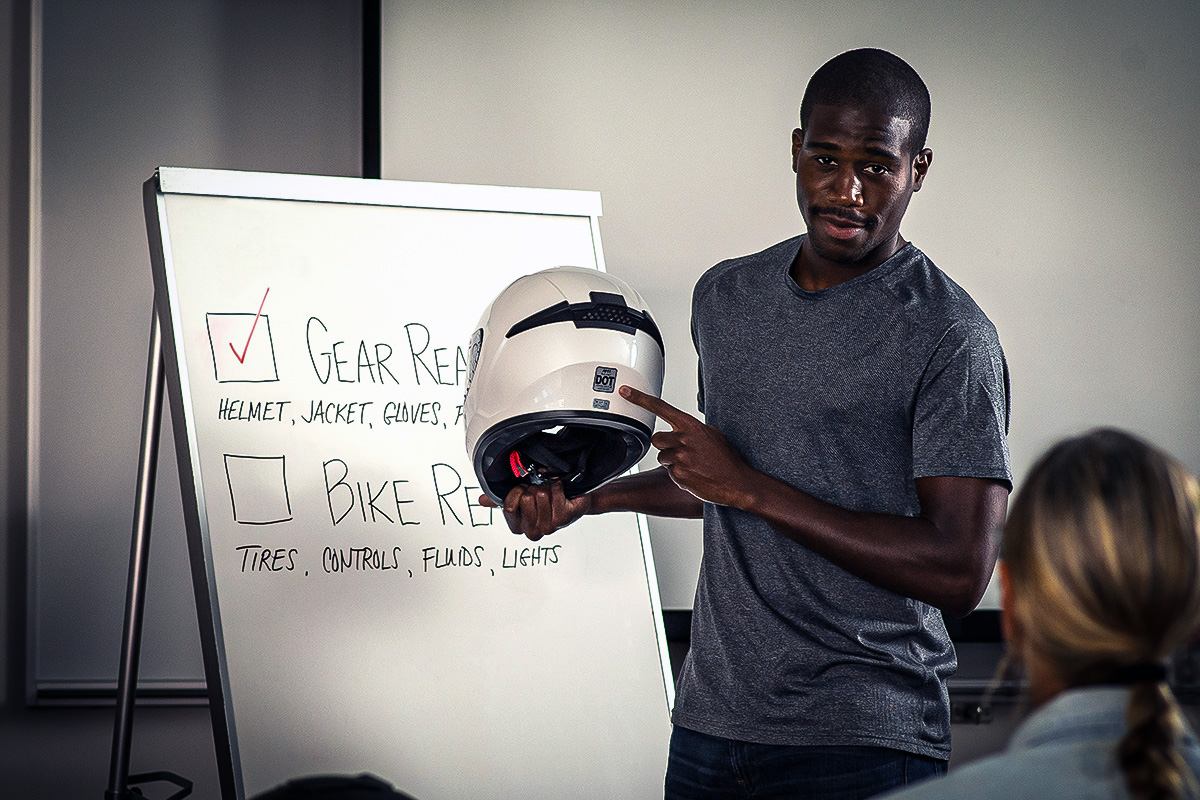
If you can’t avoid the crash, the next best thing is to mitigate the risks of it. Regulations in the 200 range are where things like seat belts, crumple zones, and even motorcycle helmets reside. This is where FMVSS all began back in 1967 with FMVSS 209 that outlines seat belt requirements. Collision repair shops will be familiar with all of the impact protection and energy-absorbing engineering that comes from these regulations. These rules are aimed at minimizing injuries to the vehicle occupants by keeping everyone safely restrained while allowing the vehicle to absorb crash energy.

So the crash has happened, the crumple zones crumpled, and the occupants are (ideally) still safe in the vehicle. Regulations in the 300 range are currently few, but they include important things like preventing a post-crash fire. In the case of hybrid and electric vehicles, FMVSS 305 regulates battery safety measures to prevent electrical shock or the loss of electrolyte.
There are a few miscellaneous FMVSS regulations that fall in the 400 and 500 range but don’t fit in the other categories. For example, FMVSS 401 mandates the installation of an emergency trunk release, thus allowing for anyone trapped in a trunk to escape.
Since being enacted in the late 1960s, a 2024 study by NHTSA concluded that the benefits to vehicle passengers have been overwhelmingly positive. By the numbers, estimated FMVSS benefits include:
Millions of lives have been positively affected by FMVSS in ways that ripple through society. Collisions that may have been fatal decades were not. The ever-changing nature of FMVSS ensures that safety regulations will continuously evolve to match new innovations and the needs of drivers and passengers.
The articles and other content contained on this site may contain links to third party websites. By clicking them, you consent to Dorman’s Website Use Agreement.
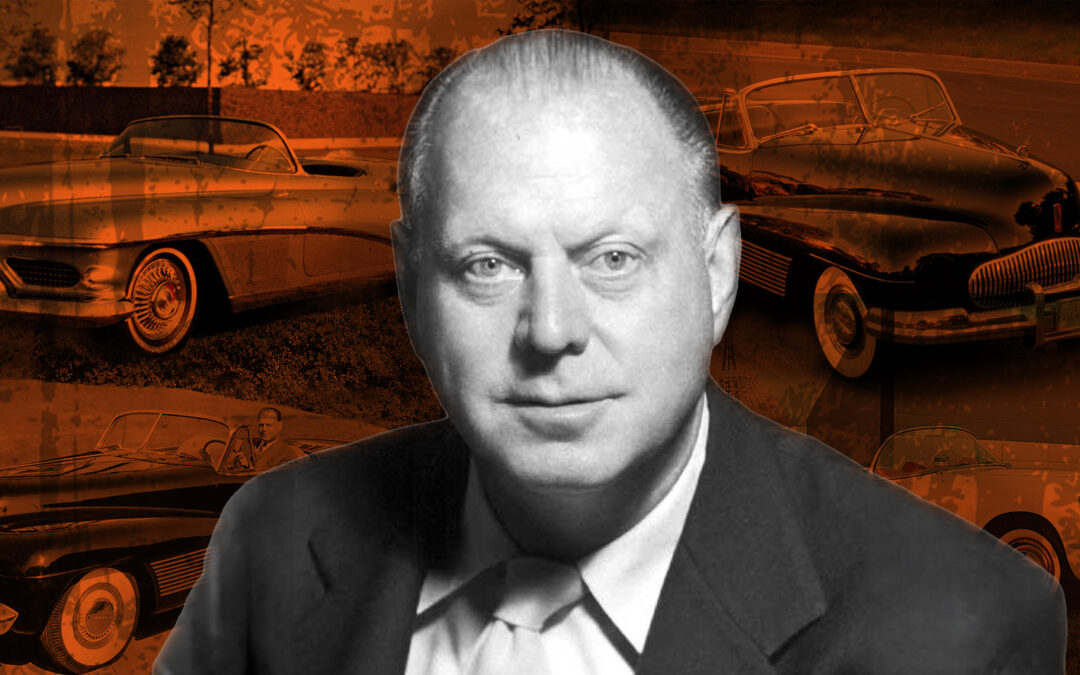
As General Motors’ first design chief, Harley Earl transformed the automobile from a machine into a cultural icon.

Aging roads and infrastructure might play a role in planning your shop’s future business.

You may not think it, but automotive lighting has come a long way.

Here are eight cars that paved the way for modern engines.
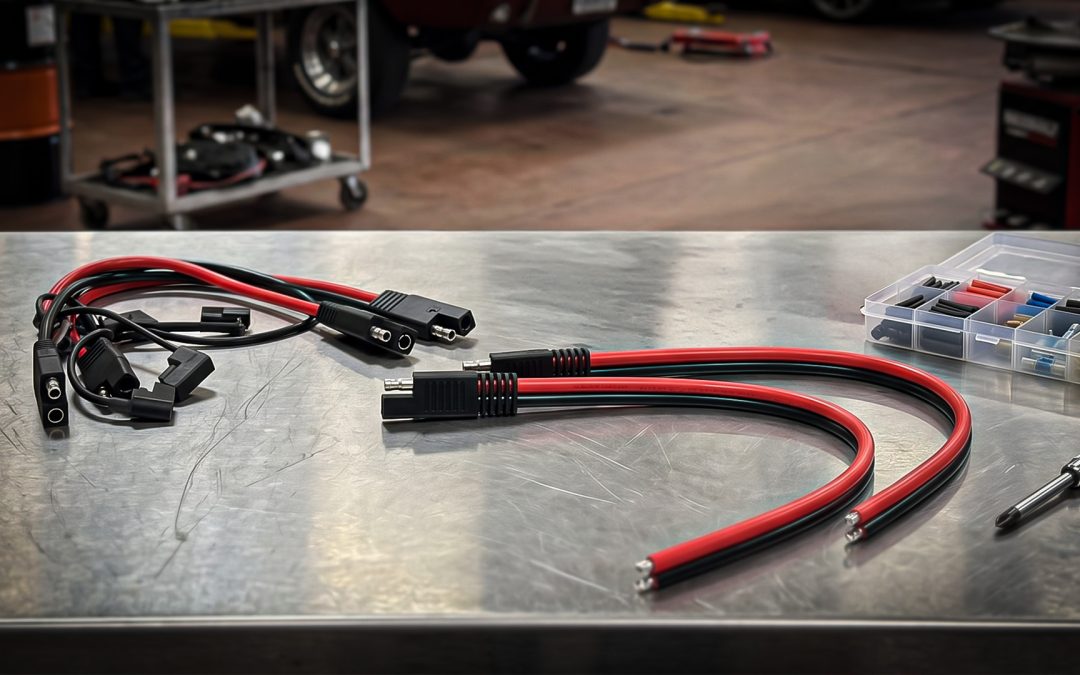
Ostensibly simplistic for casual users, the SAE plug is often an accident waiting to happen.

If it ain’t broke, don’t try to fix it.
Participation in this forum is subject to Dorman’s Website Terms & Conditions. Please read our Comment Policy before commenting.