Maybe there’s a reason “upsell” has become a dirty word—and it might be your fault.

Service Writing Tip: Justify Your Recommendations
read more



Maybe there’s a reason “upsell” has become a dirty word—and it might be your fault.
Red, blue, or green?
You’ve pieced together the point of this article by now, no doubt. This will not be a piece that risks raising the hackles of those who are deeply political. That’s not because you’re encouraged to avoid the topic, but instead, to do what makes your customers and your employees and yourself comfortable and happy.
Walk in your front door and pretend you vote differently than you do, or pretend you never vote, or pretend you didn’t vote in the last election. Or even imagine yourself as someone who can’t vote. First, ask if you feel welcome in your shop. After that, ask yourself if that matters to you.
You might already be bristling about this topic, but let’s acknowledge that what might have been commonplace in a small shop years ago (think nudie calendars on tool trucks or hearing excessive profanity from employees or customers) generally isn’t considered acceptable these days.
Times change, and so do customer expectations. Shops change, too, to some degree or another, to cater to customer whims. Change is constant. Reassessment and reevaluation by necessity need to be as well.
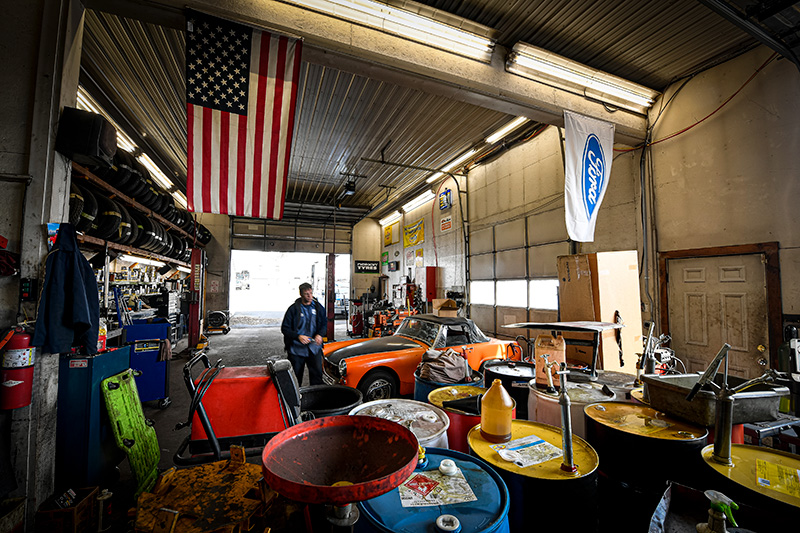
Cisney’s Diagnostic Service, Lebanon, PA. Photo: Mike Apice.
For many people, political overtones are off-putting. But you already know that; there’s no point preaching about it. If raking in the green is your primary (or solitary) goal, maybe take a quick pass through your shop and see if the apparel, the language, and the vibe (for lack of a better term) of your shop is welcoming to all your customers—if that’s what you’re shooting for. From a strictly monetary perspective, that’s probably the best bet. Your accountant would probably tell you that, too.
But some people think business—and life—isn’t all about the money, and that’s a valid viewpoint that sometimes gets silenced.
If you fall into that camp, and red or blue is more your color scheme, all is not lost. Contrary to most business articles you might read, that might not be completely detrimental, especially considering your location and clientele. It’s not financially ideal—arithmetically, “ideal” would be that every lead and existing customer feels you want to serve them and accept their money to maximize demand, but that’s another thing you already know.
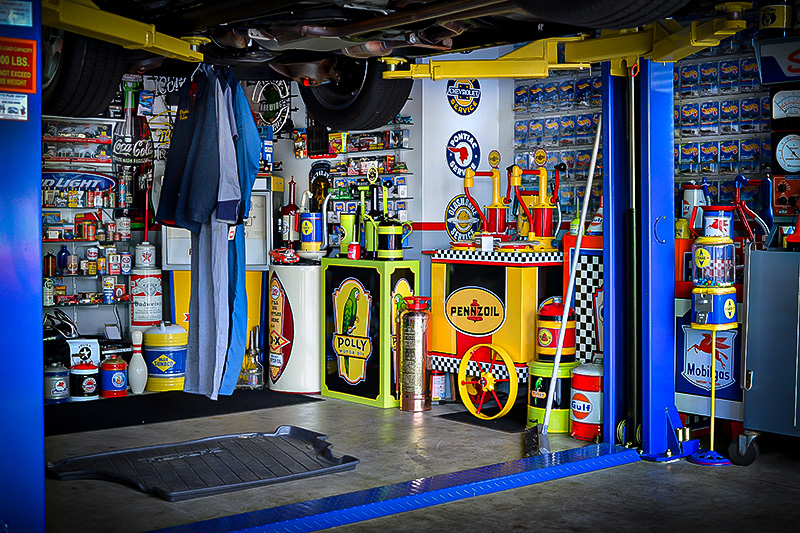
Photo: Mike Apice.
Assuming you are still interested in doing business and you’re not worried about offending others (but you’re also not going out of your way to do so), remember that being polite goes a long way. It’s OK to politely disagree with a customer or sidestep a topic without making anyone feel uncomfortable or belittled. You can certainly display your political leanings while being respectful, and if you’re bright, you probably know that you might even need to err too far on the side of keeping things light with a customer who may not see the world the same way you do.
Another item to consider might be something you are naturally doing (or might have even wanted to do but feared), and that’s presenting your bent clearly right upfront. By this, I mean on your website, business cards, and maybe your shop description as seen on search engines. Why? Because, believe it or not, it’s thoughtful.
Think about it: if you’ve taken those steps, customers who may not want to patronize your business due to their political leanings will be forewarned and sidestep your repair shop. And other customers from the other side of the aisle may well understand and consciously elect to use your shop irrespective of your stance.

Tate Auto, Cross Plains, TN. Photo: Mike Apice.
Finally, whatever your take on the matter is, make it clear to your staff so they understand what is acceptable and what is off-limits. An unconventional yet clearly stated policy often beats a milquetoast, half-hearted attempt to make everyone happy.
There are some topics in life that aren’t suitable fodder for business. Politics is often lumped into that group for ease of making policy—but crafting policy isn’t always easy work. You may find a nuanced approach works best for you, your employees, and your customers, contrary to what conventional advice may be.
This advice, unorthodox though it may be, is tailored to the colorful and opinionated people we all know in the automotive industry, and though it may not be directly cribbed from any of the books on an MBA’s shelf, it is pragmatic, functional advice that should help you analyze and fine-tune your shop’s approach—or lack thereof—to politics in the workplace.
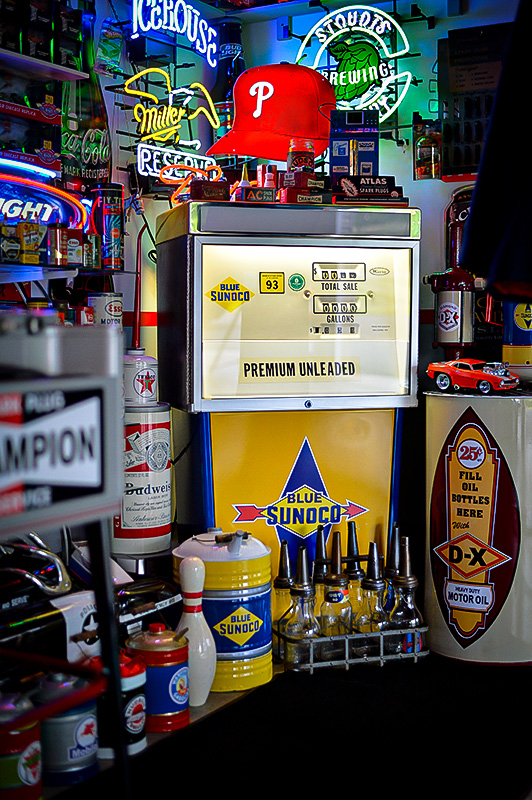
Photo: Mike Apice.
The articles and other content contained on this site may contain links to third party websites. By clicking them, you consent to Dorman’s Website Use Agreement.
Maybe there’s a reason “upsell” has become a dirty word—and it might be your fault.

Do you favor margin or revenue?

Customers don’t realize it needs attention. Sadly, many mechanics don’t, either.

Casual communication can have formal consequences.

Real estate is an investment—make yours start earnin’.

Don’t try to (needlessly) upsell me.
Participation in this forum is subject to Dorman’s Website Terms & Conditions. Please read our Comment Policy before commenting.