Maybe there’s a reason “upsell” has become a dirty word—and it might be your fault.

Service Writing Tip: Justify Your Recommendations
read more



Maybe there’s a reason “upsell” has become a dirty word—and it might be your fault.
It’s hard to tell if they really do anything, but the packaging usually has a lot to say about better contrast and depth perception, reduced glare, and less eye strain. (And Hunter S. Thompson seemed to like them just fine.)
Almost a century ago, the French government started looking at yellow lenses for a very different application: automobile headlights. Vehicle lighting in those days was extremely primitive, and motorists faced hazards like night driving, foggy conditions, storms, rough roads, and even war in near blindness by today’s standards. Studies of the time suggested that yellow lenses or bulbs could be a solution, although no other nations came to the same conclusion. France, apparently, did not care and mandated a color called “selective yellow” for all headlights. This remained a uniquely French style until the whole idea was reversed and tossed out in 1993. Scientific claims effectively started and ended this strange story.
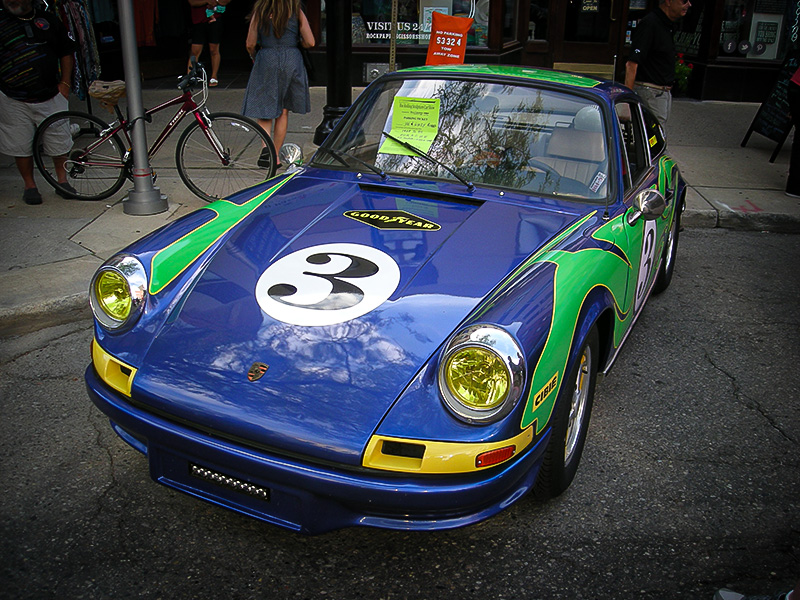
1969 Porsche 911 S. Photo: Michael Barera / CC-BY-SA 4.0 via Wikimedia Commons.
In the late 1930s, incandescent headlamps already ruled the road. Advancements in lighting design and technology had improved these headlights to the point that drivers were annoyed by glare. Bright lights were needed, however, to safely navigate narrow, poorly lit roads. Filtered light studies suggested that yellow beams would preserve visibility while cutting down on the harshness of unfiltered light, and a decree in late 1936 required selective yellow forward lights for all vehicles starting in 1937, with full compliance by 1939. Even the military adopted selective yellow, which could be an advantage or disadvantage in wartime. There is a popular myth that yellow headlights were installed to identify French vehicles during World War II, but the practice predated the war by several years.
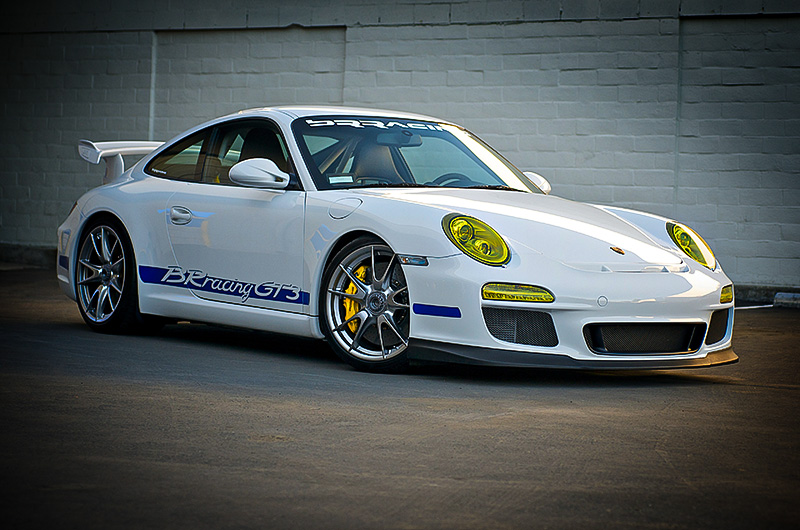
BRRacing’s Porsche GT3. Photo: Ryan Holst / CC-BY-SA 2.0 via Wikimedia Commons.
The benefits of yellow headlights wound up being a bit of a myth, too. Glare and poor performance in fog and rain were blamed on shorter blue-violet wavelengths. Guess which color blocks those wavelengths?
As it turns out, yellow filters and lenses also cut about 15 percent of the headlight output. Proper headlight design, halogen bulbs, improved reflector assemblies and coatings, along with better roadway construction and lighting had far more impact on motorist safety than the filters. Independent studies in the 1960s and 1970s found that white light was actually superior. An exception to this was endurance racing at Le Mans, where yellow lighting helped to identify cars competing through the night.
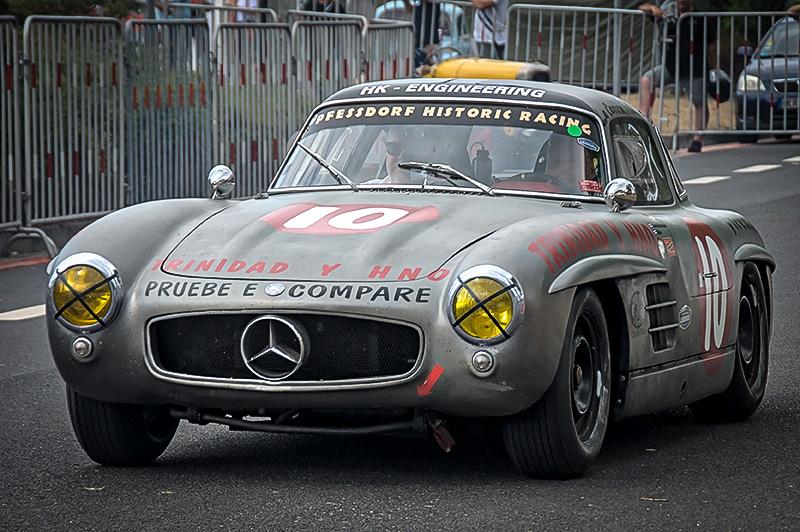
Mercedes-Benz W198 300 SL Gullwing. Photo: Alexander Migl / CC-BY-SA 4.0 via Wikimedia Commons.
By the 1990s, these funky headlights were a part of French national identity. However, as France worked to become more integrated with the European Union, transportation regulations shared by other member states favored white headlights. Modern science favored white headlights, too. The selective yellow headlight requirement was repealed in 1993, but exemptions were put in place for pre-1993 vehicles in many regions. You’ll see the style emulated around the world, too, especially with European cars like Renaults, Citroëns, Porsches, and BMWs. The look has also carried over into DRLs seen on some upmarket late model cars; these lights are used for daytime visibility and not primary lighting, so there isn’t much downside. The French experiment with yellow headlights might not have been a success, but they’re still grabbing attention nearly a century after hitting the road.
The articles and other content contained on this site may contain links to third party websites. By clicking them, you consent to Dorman’s Website Use Agreement.

It’s not just you. This job ain’t what it used to be.
As General Motors’ first design chief, Harley Earl transformed the automobile from a machine into a cultural icon.

Aging roads and infrastructure might play a role in planning your shop’s future business.
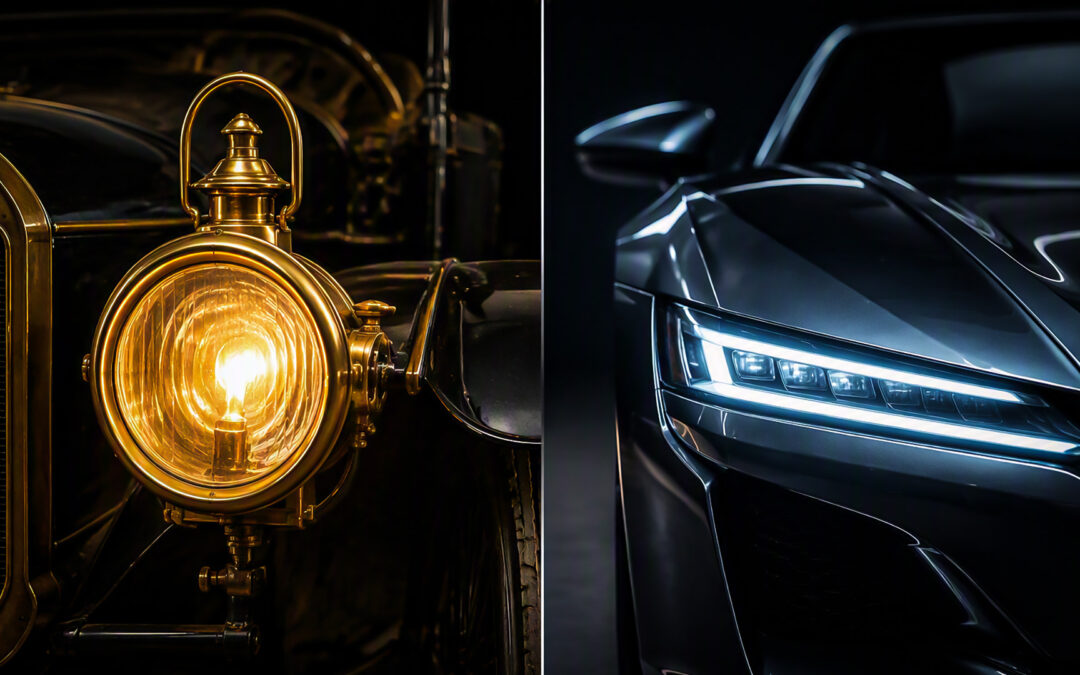
You may not think it, but automotive lighting has come a long way.
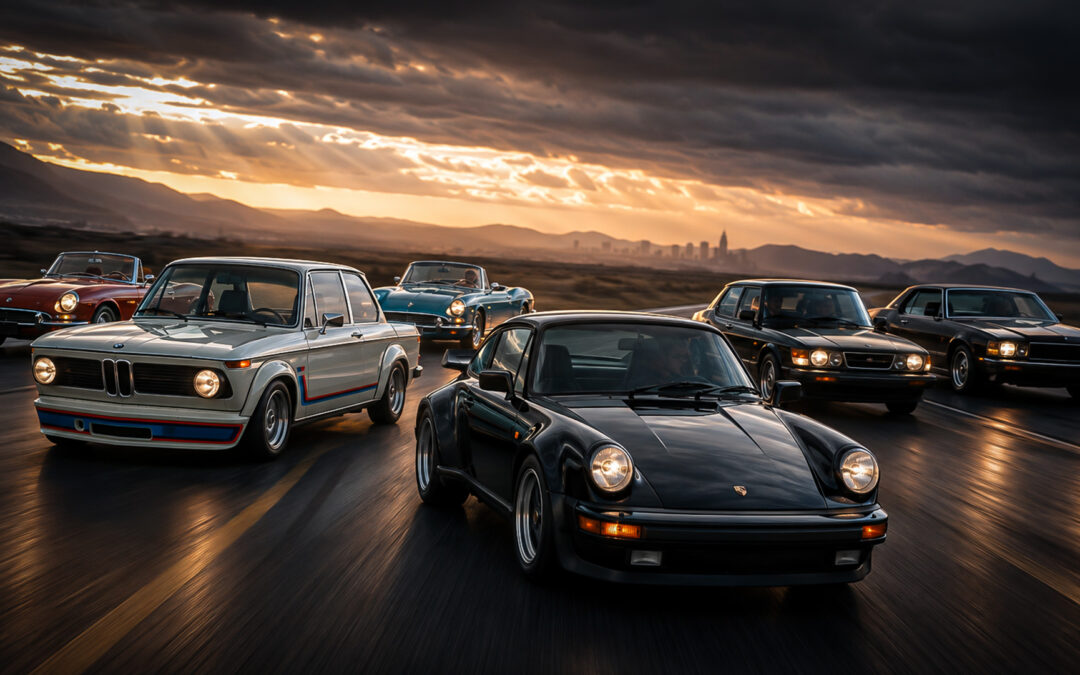
Here are eight cars that paved the way for modern engines.
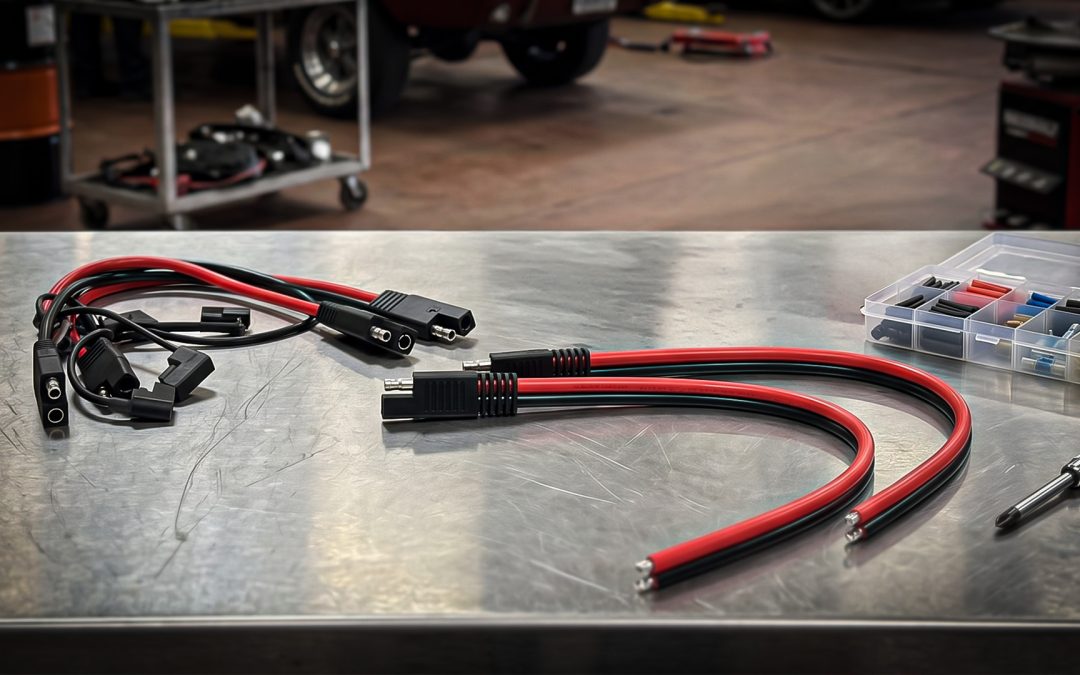
Ostensibly simplistic for casual users, the SAE plug is often an accident waiting to happen.
Participation in this forum is subject to Dorman’s Website Terms & Conditions. Please read our Comment Policy before commenting.