Maybe there’s a reason “upsell” has become a dirty word—and it might be your fault.

Service Writing Tip: Justify Your Recommendations
read more



Maybe there’s a reason “upsell” has become a dirty word—and it might be your fault.
It seems like plastic is everywhere under the hood of a modern car. You even have to remove a plastic cover to find the engine! But plastic and composite parts like distributor caps and ignition coil housings have been in use for over 100 years. In the 1970s, automakers tinkered with plastic intake manifolds, but it wasn’t until the 1990s that they gained wider adoption. Some may remember GM’s iconic 3.8L V6 from the mid-90s, which sported an ill-fated plastic intake manifold, but the overall idea proved workable. While using plastic for intakes saves weight and allows for more creative engineering tricks, it obviously means that you can’t repair them the same way as their metal cousins. Here’s why replacing, not repairing, a plastic manifold is usually the best solution.
The high-tech plastic used to make an intake manifold is designed to withstand heat, vibration, vacuum, and even boost pressure. But there is a limit, especially as they age. You may inspect a plastic intake and find:
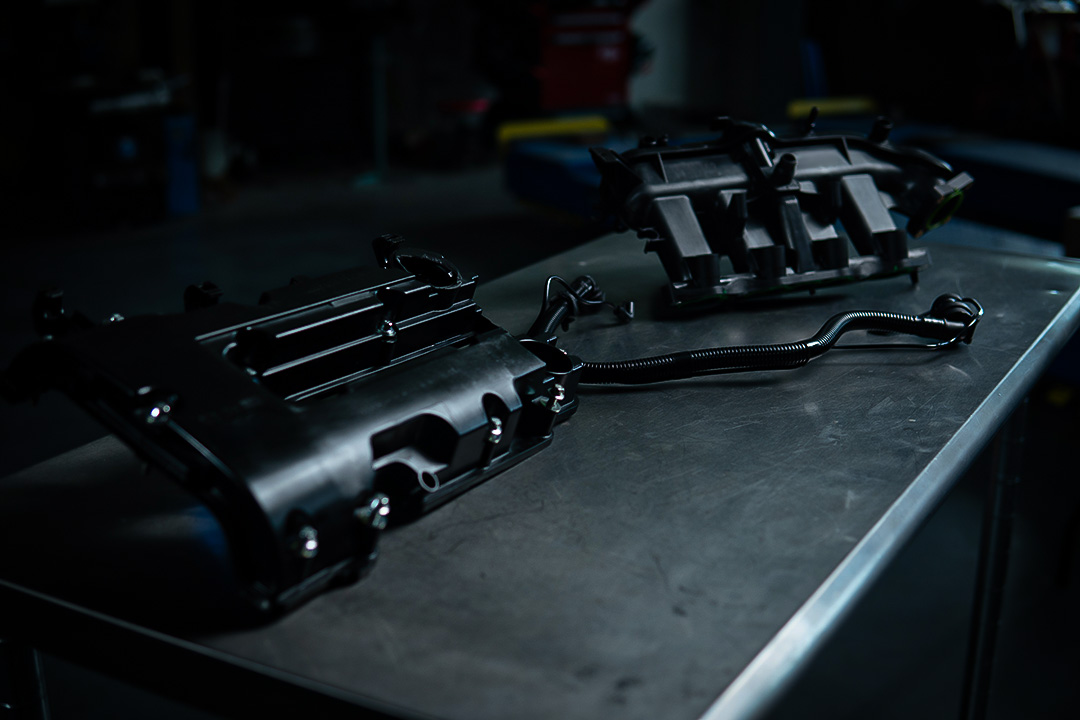
Photo: Mike Apice.
There have been plenty of attempts to repair plastic intake manifolds, but for a shop, the risk far outweighs the benefits. First off, the repair may not hold, and now you have an upset customer who might have also lost faith in your capabilities. Glue, epoxy, and even plastic welding repairs won’t have the same expansion-contraction rates as the original plastic, possibly causing another failure. There may also be complicated internal passages inside the intake manifold that you can’t see. If your repair causes an internal air leak or blockage, everything may look fine on the outside, but a hidden problem will be lurking. Some intake manifolds use multi-piece construction, making it nearly impossible to reach some areas without causing further damage. Features like variable-length intake runners rely on flaps and complex passages, where repair-generated blockages or debris could hide.
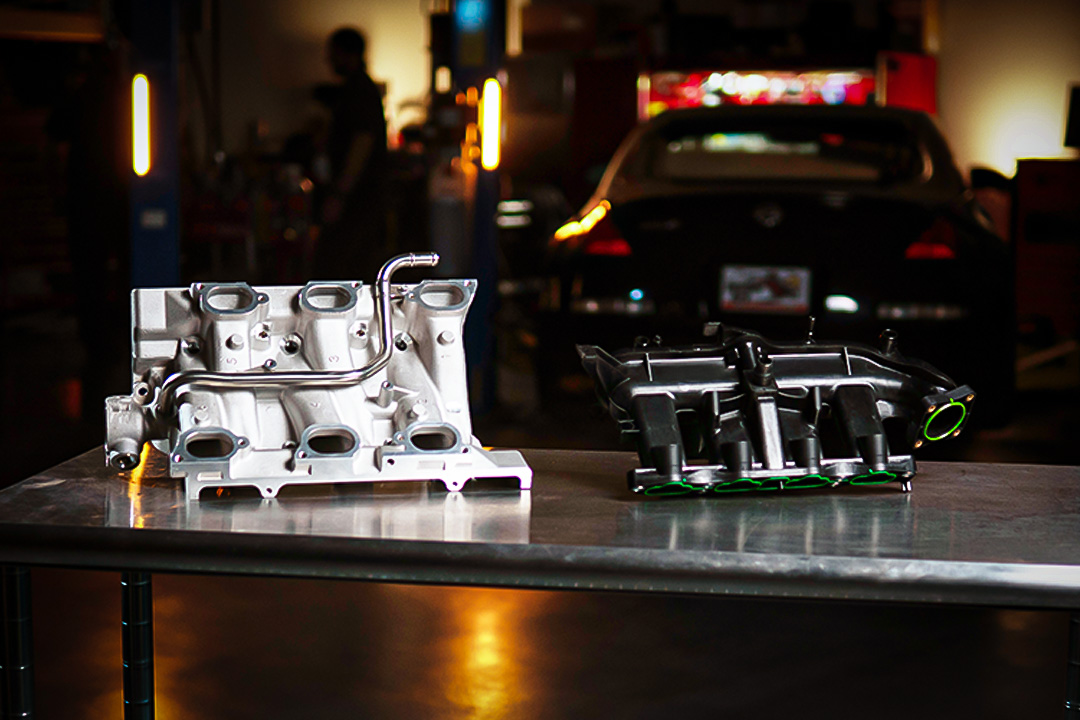
Photo: Mike Apice.
When you are faced with a damaged intake manifold, the easiest solution is to just replace it with a new one. In some cases, a new intake manifold is actually better than the original factory design. For example, certain GM 1.4L Ecotec engines have an internal PCV valve that tends to fall out, causing the engine to burn oil.
Replacing a damaged OE plastic intake manifold is a good time to install a revised or upgraded manifold if available from the aftermarket. Dorman, to name one, has an improved version available for Buick and Chevrolet vehicles that solves the problem by using a PCV valve retainer. In the case of certain Kia 3.5L V6 engines, the intake manifold uses variable intake runners that depend on shaft-activated flapper valves that often break. An improved version (also available from Dorman) for Hyundai and Kia vehicles uses stronger materials and additional shaft supports for a more durable intake manifold.
There’s also the issue of time. If you have to remove the intake manifold anyway, why spend labor time putting a questionable part back on? Plus, there is the time trying to figure out not only if a repair can be made, but how it can be done. Wasting time playing “arts and crafts” on a repair that fails as soon as you start the engine means a shop bay that isn’t making money.
Using a new intake manifold means not worrying about dirty or clogged internal passages, stripped bolt holes, unseen cracks, warped mounting flanges, or other lurking problems. Fixing one bad spot on an old plastic intake doesn’t keep new issues from popping up later. If you see one crack now, there is likely another forming somewhere else. For most techs, cobbling together an old intake isn’t worth the time or risk when a new intake is just a phone call or mouse click away.
The articles and other content contained on this site may contain links to third party websites. By clicking them, you consent to Dorman’s Website Use Agreement.
Need to make a secure electrical connection or repair with heat shrink tubing on the outside?
Don’t waste time with jumbled electrical connectors under the hood.
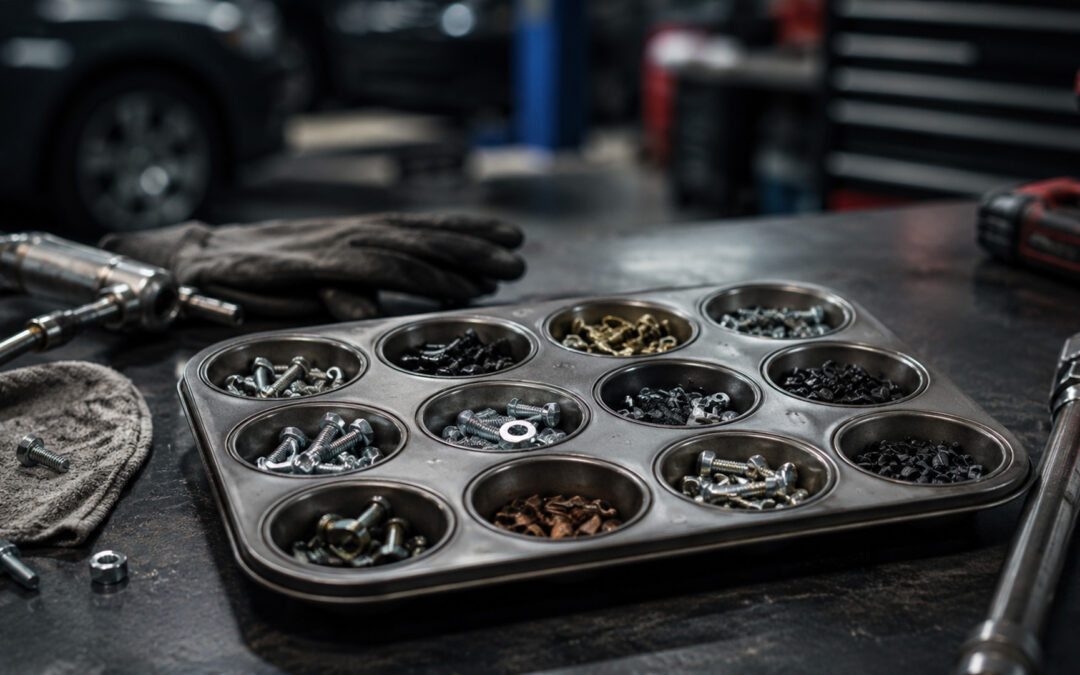
Keeping track of small parts during a job can be tricky, but there’s a cheap and effective way to solve that problem.
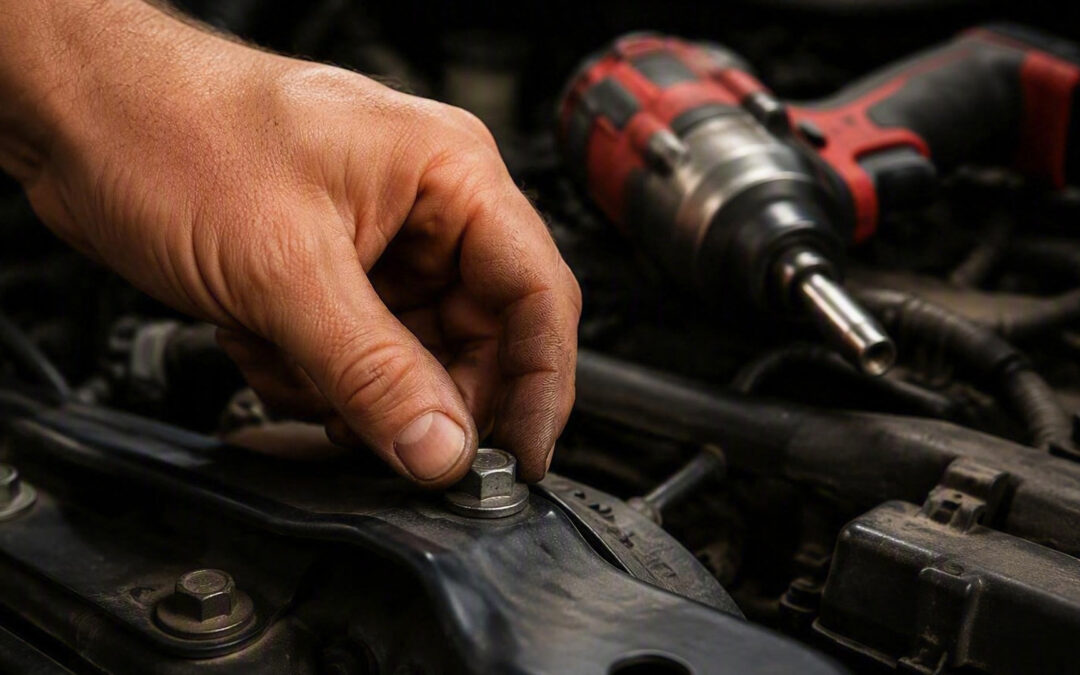
Cross-threading or stripping a fastener can bring progress to a halt in an instant. Start by hand-threading fasteners.
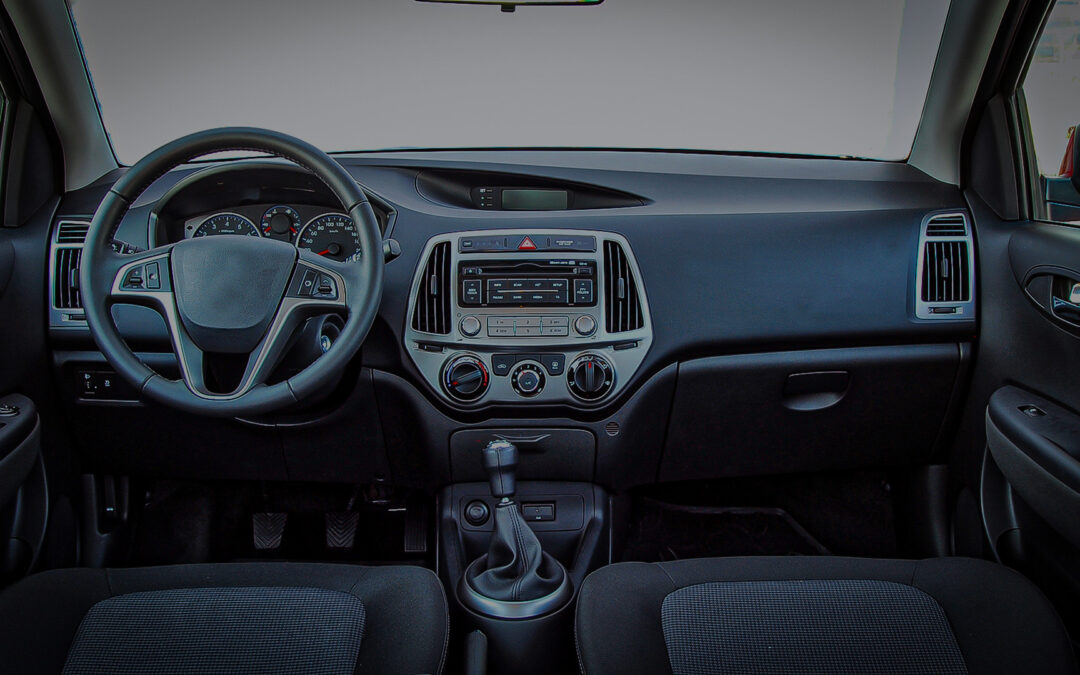
Every car you touch is full of it, but it’s not in any service manual. Here’s the working tech’s guide to plasticizers: why plastic goes soft, sticky, chalky, and cracked, what actually happens when you hit trim with a torch, and why your customer’s dash keeps fogging the windshield.
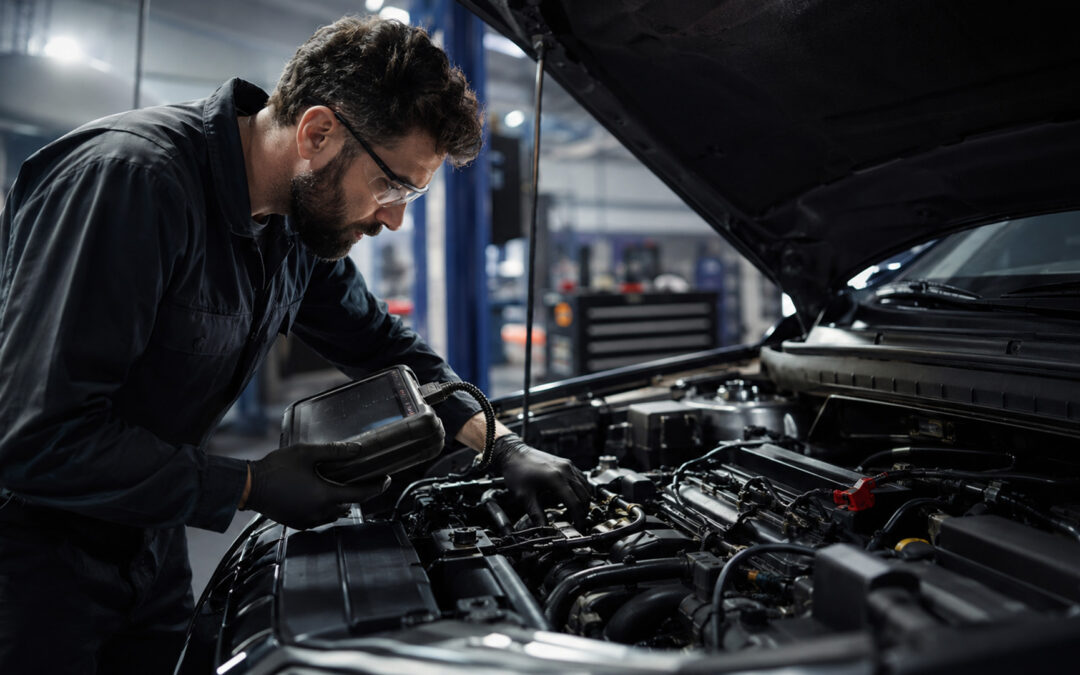
Ever get up to your elbows in a diagnostic problem, only to wind up right where you started an hour later?
Participation in this forum is subject to Dorman’s Website Terms & Conditions. Please read our Comment Policy before commenting.