Maybe there’s a reason “upsell” has become a dirty word—and it might be your fault.

Service Writing Tip: Justify Your Recommendations
read more



Maybe there’s a reason “upsell” has become a dirty word—and it might be your fault.
It seems every automaker has jumped on the forced induction bandwagon over the last decade. While some say there is no replacement for displacement, a turbocharged engine makes a pretty good argument to the contrary. Turbocharging is hardly new, though. You can read all about turbocharger development during World War II here for a bit of background. After the war ended, though, engineers started thinking of ways to use new technologies in automotive applications
The car that started it all was the compact Oldsmobile F-85 built on the new Y-body chassis. General Motors (GM) was playing around with new ideas back then, so a turbo V8 engine wasn’t out of line. The Pontiac Tempest shared the same Y-body platform and featured a rear-mounted transaxle with an inline-four engine created by chopping a V8 in half, so wild ideas abounded.
GM dropped an all-aluminum 215 cubic-inch V8 engine topped with a draw-through turbocharger into the F-85 Jetfire and introduced its rocket-age car. Thanks to an already high 10.25:1 compression ratio, it only took adding five pounds of boost to push the little V8 to 215 horsepower and 300 lb/ft of torque, whereas the non-turbo V8 made only 185 horsepower and 230 lb/ft of torque. Unfortunately, these power levels required premium fuel and water/methanol injection to keep premature detonation at bay. Sales did not take off, so the Jetfire option was only available from 1962-1963, then slipped into history.
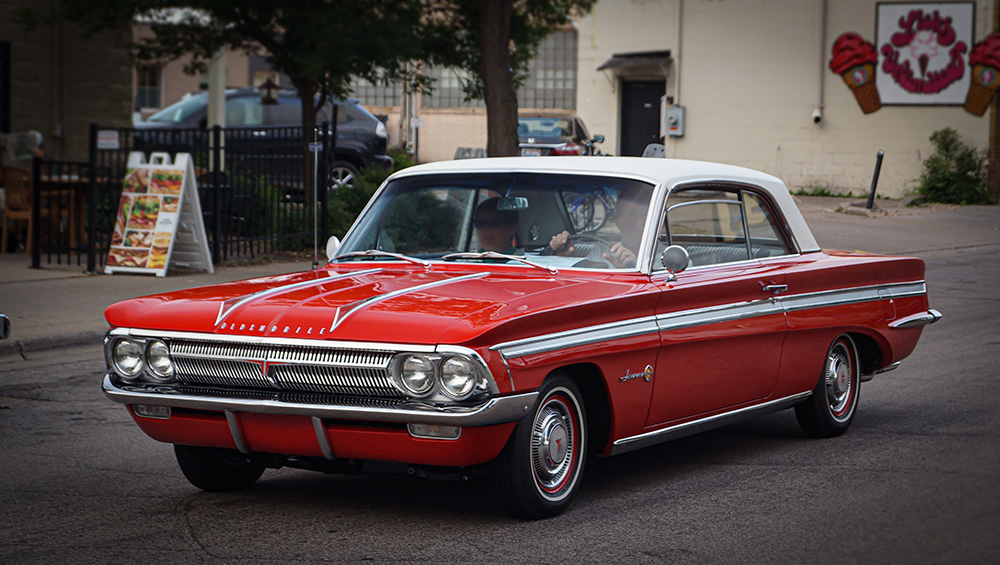
1962 Oldsmobile F-85 Jetfire. Photo: Greg Gjerdingen, via Wikimedia Commons / CC BY 2.0.
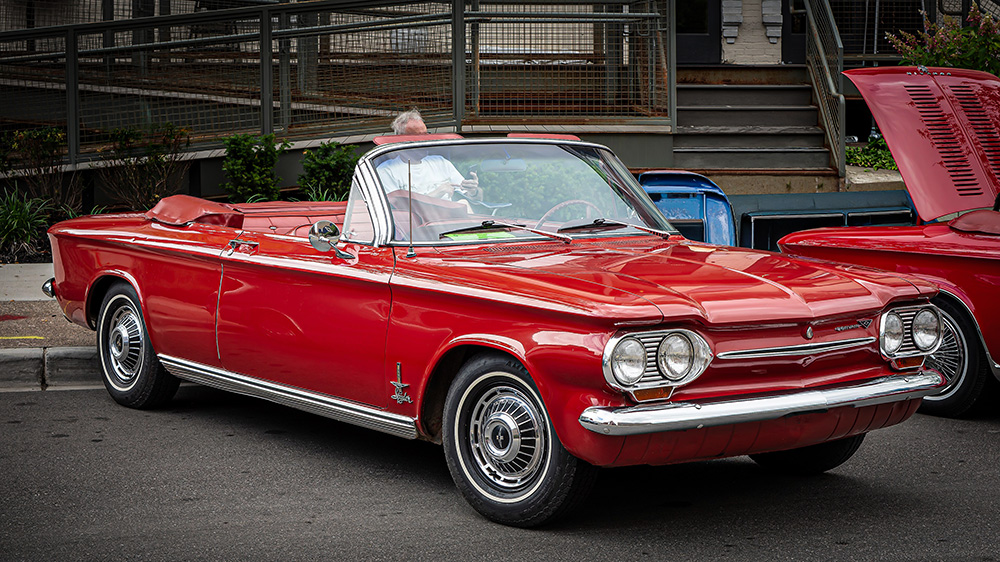
It would seem that 1962 was the year of turbo experimentation for GM. Already a rolling experiment, the Corvair sported a flat-six air-cooled engine mounted behind the transaxle. The base model flat-six engine put out only 80 horsepower, but the turbocharger nearly doubled power output to 150 horsepower. A single draw-through carburetor fed the turbocharger which put out 10 pounds of boost. The extra power made the Corvair sportier, but not exactly a drag strip terror. The last turbo Corvair was produced in 1966, more than doubling the production total of the turbo F-85 Jetfire.
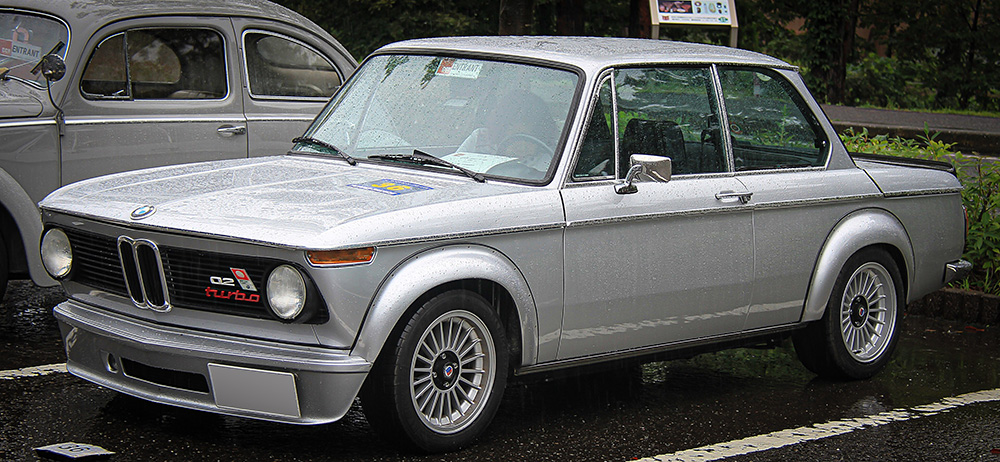
Back in the 1960s, BMW saw the need for a small, sporty car at an affordable price. The resulting 02 Series two-door design proved popular but needed a little more power to create the driving excitement that BMW leadership wanted to convey. Adding a turbocharger to the 2.0L inline-four engine (which was tweaked to handle boost) resulted in 168 horsepower and 177 lb/ft of torque. Considering the 2002 was a compact, lightweight package, the added power made for a spirited drive. It boasted a fairly sophisticated turbo system using mechanical fuel injection that could compensate for boost pressure and altitude. Today, 2002 Turbos bring premium prices among well-heeled collectors wanting vintage style and performance.
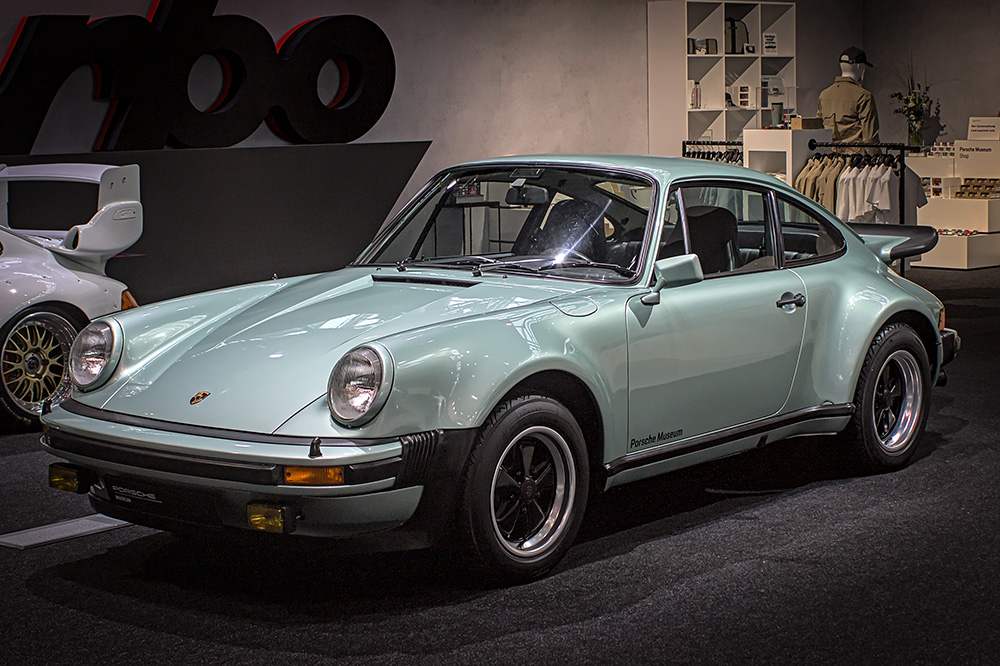
By the 1970s, Porsche was no stranger to turbocharging their race cars. But when they tried to enter turbocharged versions of their 911 into races that were supposed to be for production cars only, racing officials cried foul. If the turbo wasn’t available to the public, it couldn’t hit the track. So Porsche put together a few hundred homologation cars that were an instant success with enthusiasts. The boosted flat-six cranked out 256 horsepower and 243 lb/ft of torque. In a car that had the bulk of its weight hanging behind the rear axle, adding more power (and turbo lag) made for a white-knuckle driving experience. Since then, the 911 turbo has been a mainstay of Porsche’s performance stable.
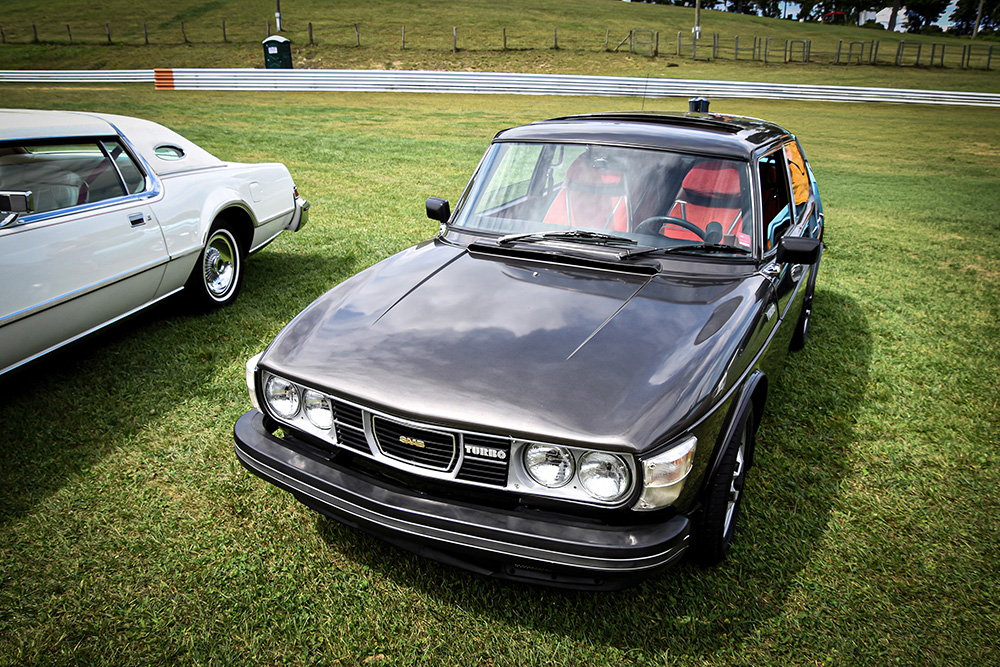
Saab was always a bit quirky (and, of course, their car business is now dead). First, they put the inline-four engine in the 99 chassis longitudinally like a rear wheel drive car, but it drove the front wheels. This made for an interesting transaxle design, which was tucked back underneath the engine with the clutch oddly mounted up front just behind the radiator. Then Saab decided to slap a turbocharger on the 99 in 1978 and started an enthusiast following that would last decades. While the initial 1978 models only had 143 horsepower, Saab would eventually push their later generation 2002 9-5 turbo inline-four engine up to 300 horsepower. For a company whose tag line is “Born From Jets,” having a turbocharger fit right in. Saab brought reliable turbocharging to the masses with both power and efficiency across their product line. Not just a niche performance option anymore, turbocharging was now for everyone.
When you say “Turbo Buick,” most people think of the fire-breathing Grand National or GNX. But before the GNX could threaten Corvette owners at the drag strip, Buick had to figure a few things out. GM was back to experimenting with turbocharging after 1970s emissions regulations gutted V8 engine output. Buick’s base model 3.8L V6 engine made a measly 105 horsepower, but adding a blow-through turbo setup bumped it up to 165 horsepower. The rough sketch was there, though, and just a few years later, in 1984, a redesigned 3.8L V6 engine with fuel injection put out 235 horsepower. Eventually, Buick would tweak the turbo 3.8L formula to 300 horsepower. The engine was so successful that Pontiac even borrowed it for their 1989 20th Anniversary Trans Am.
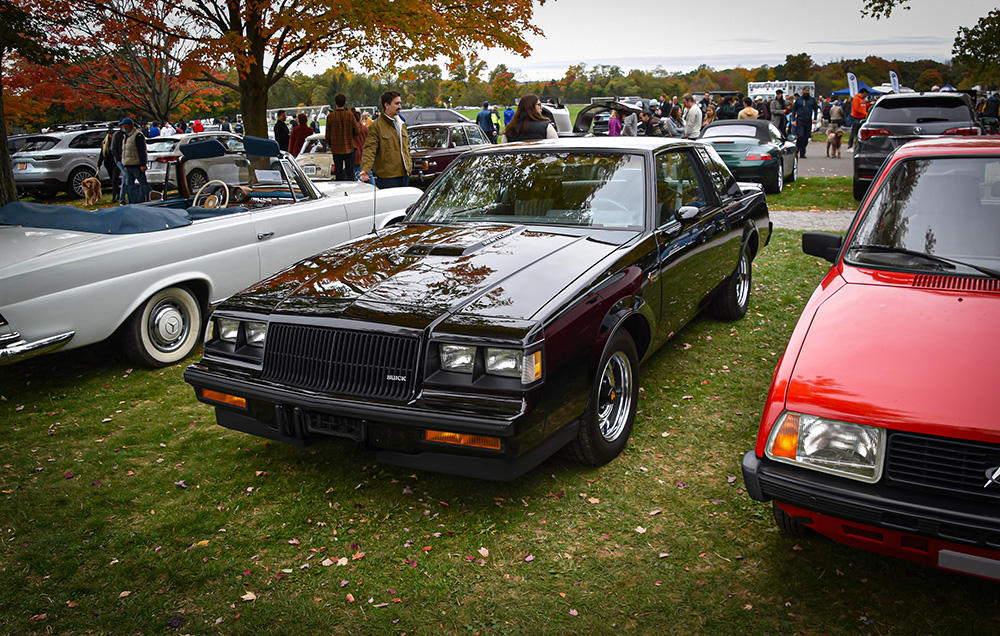
1978 Buick Regal Turbo. Photo: Charles, via Wikimedia Commons / CC BY 2.0.
When it comes to reliable engines, the 3.0L Mercedes OM617 inline-five diesel engine is a legend. But it was the turbocharged OM617A variant that Mercedes dropped into their 1978 W116 sedan that made waves as the first mass-produced turbo diesel-powered car. Power figures were nothing exciting at 109 horsepower and 168 lb/ft of torque, but fuel economy was an impressive 22 miles per gallon. Not bad for a vehicle that weighed in at over two tons! Owners loved the quiet interior, silky smooth ride, and the effortless highway cruising torque. Even today it isn’t odd to see one of these battleships on the road with a happy owner behind the wheel.
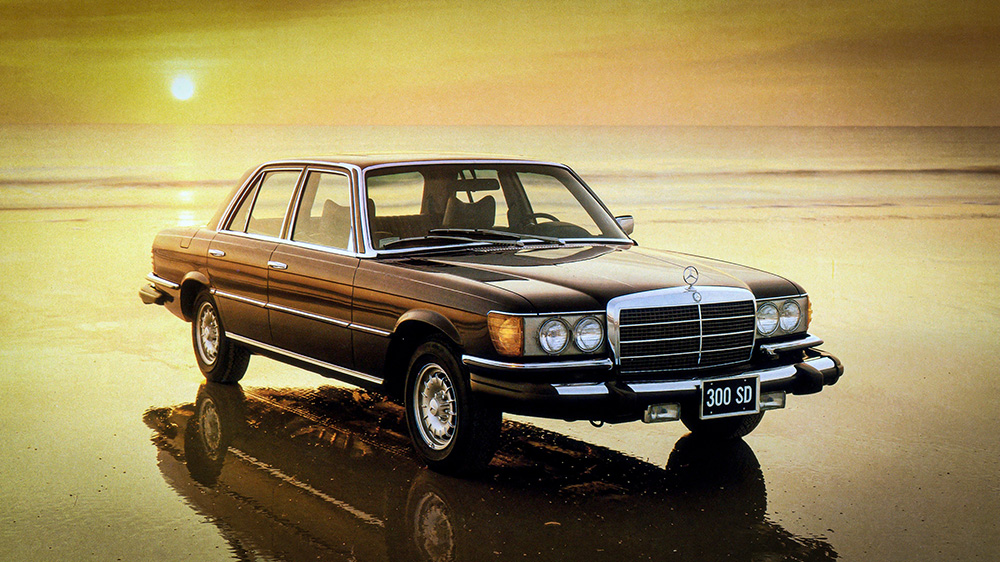
1978 Mercedes-Benz 300SD. Photo: Courtesy of Mercedes-Benz.
As the auto industry entered the 1980s, GM continued experiments with turbocharging to wring more power from smaller engines. Since the 455 cubic inch V8 was no longer an option due to emissions regulations, Pontiac shifted to smaller engine platforms. The Pontiac 301 V8 wasn’t exactly exciting in naturally aspirated form, putting out 170 horsepower in top trim. So GM once again added a draw-through turbocharger pushing around nine pounds of boost, which upped horsepower to a respectable 210 with a healthy 345 lb/ft of torque. Changes to the engine block, camshaft, oiling system, crankshaft, and oil pan helped the engine survive boosted life. A starring role in “Smokey and the Bandit II” helped Trans Am sales, but 1981 would be the last year of the turbo 301 V8. This was due to disappointing performance and the fact that Pontiac discontinued the 301 engine in favor of using corporate engines like the Chevrolet 305 V8 going forward.
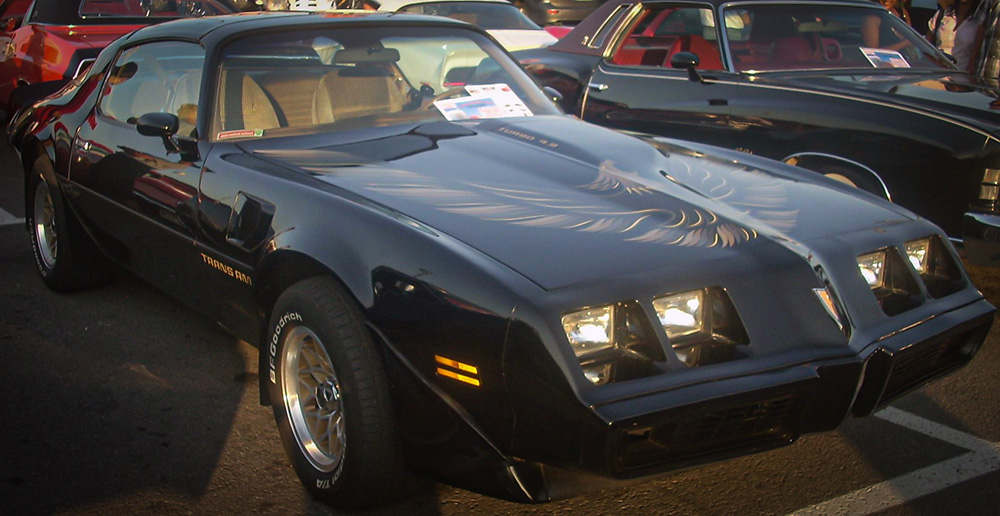
1980 Pontiac Trans Am. Photo: Bull-Doser, Public Domain.
Turbocharging is so common today that many vehicles with a turbo under the hood don’t even announce it. It probably does not occur to the family in the SUV beside you that their powerplant was once a high-performance option. While the ability to make a small engine deliver power like a bigger one is still an impressive feat, the technology is no longer exotic. Advances in turbocharging are still being made as manufacturers push for greater efficiency and more power, but without these early pioneering vehicles the market may look different today.
The articles and other content contained on this site may contain links to third party websites. By clicking them, you consent to Dorman’s Website Use Agreement.
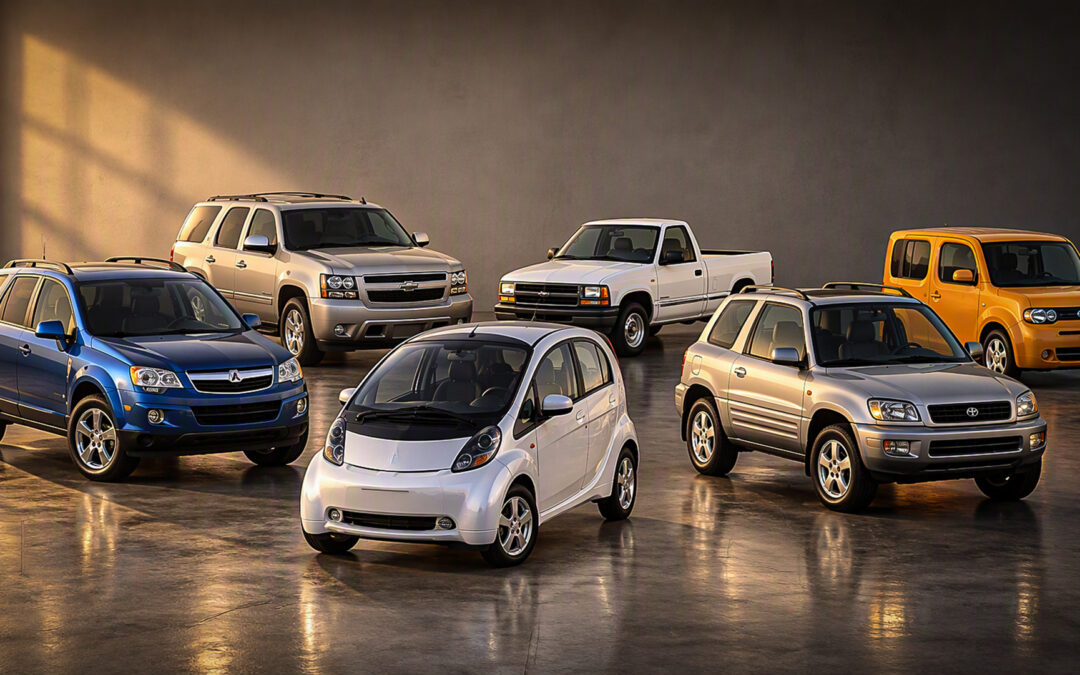
EVs and hybrids that time forgot.

It’s not just you. This job ain’t what it used to be.
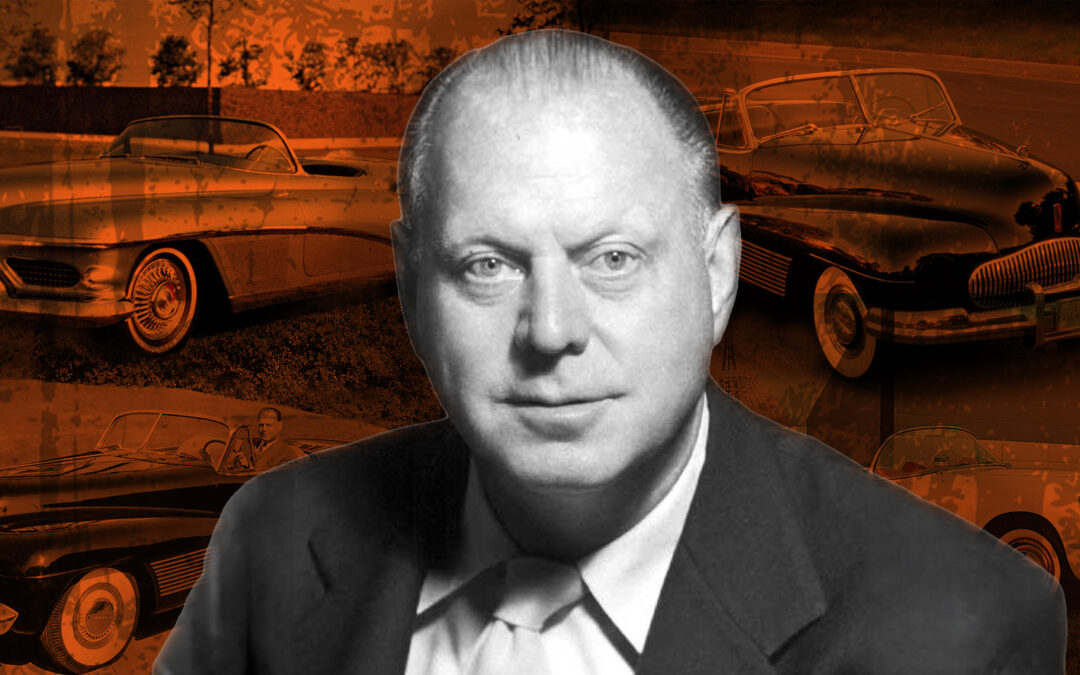
As General Motors’ first design chief, Harley Earl transformed the automobile from a machine into a cultural icon.

Aging roads and infrastructure might play a role in planning your shop’s future business.
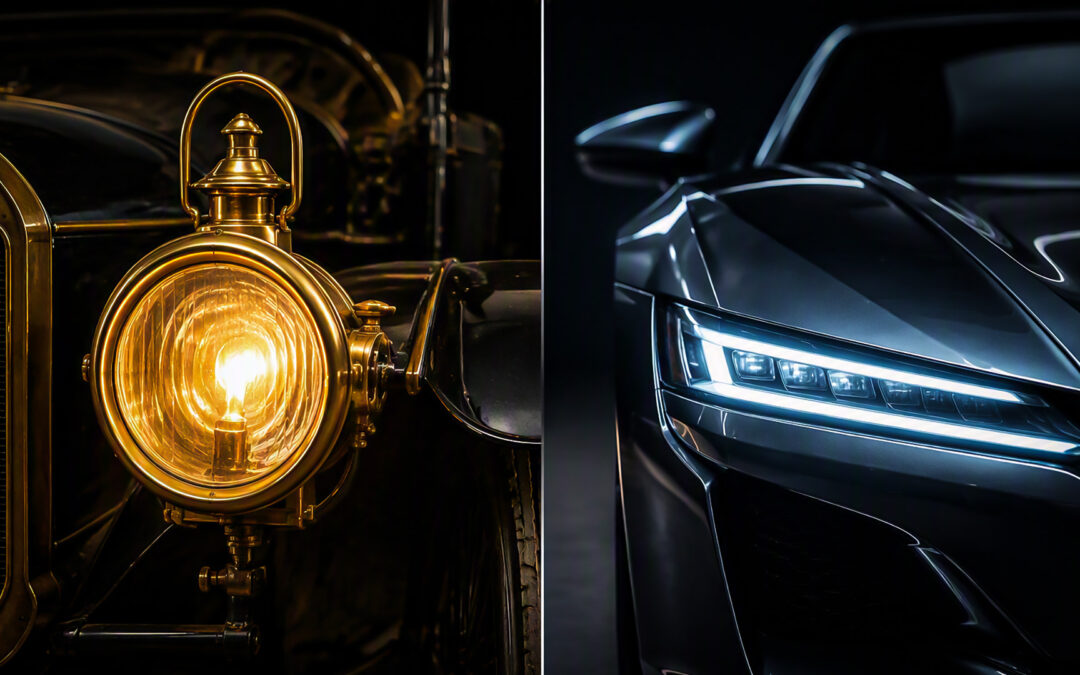
You may not think it, but automotive lighting has come a long way.
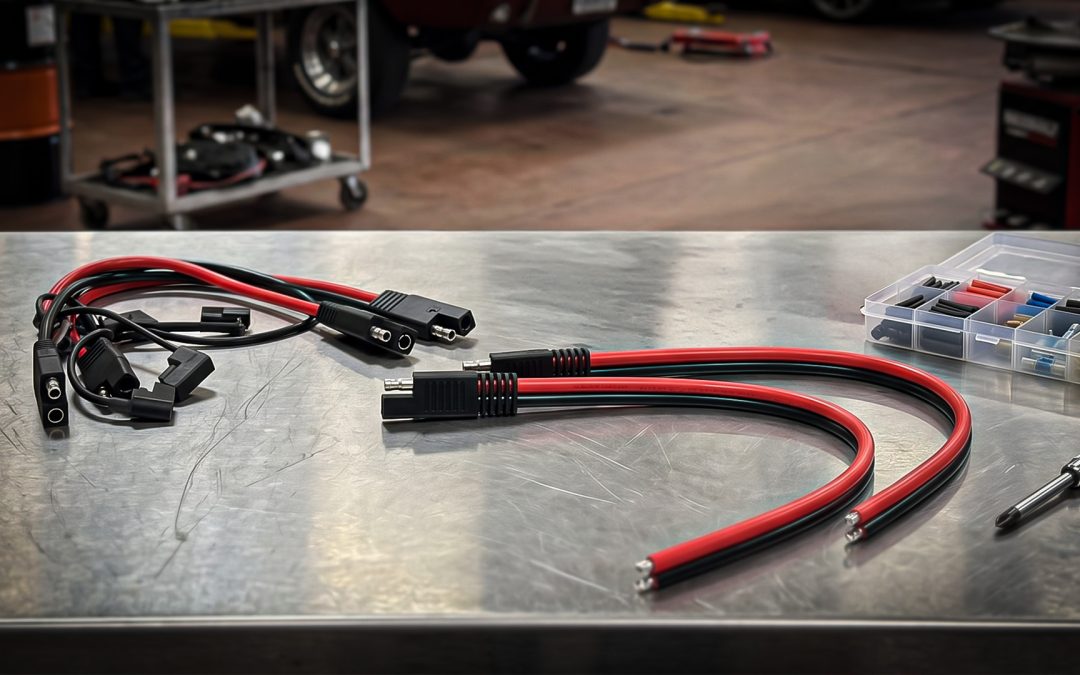
Ostensibly simplistic for casual users, the SAE plug is often an accident waiting to happen.
Participation in this forum is subject to Dorman’s Website Terms & Conditions. Please read our Comment Policy before commenting.