Maybe there’s a reason “upsell” has become a dirty word—and it might be your fault.

Service Writing Tip: Justify Your Recommendations
read more



Maybe there’s a reason “upsell” has become a dirty word—and it might be your fault.
One could argue that if there were a Mount Rushmore of automotive designers, Harley Earl’s face would be carved into the granite before anyone else’s.
Long before automakers obsessed over focus groups and wind tunnels, Earl understood something revolutionary: people don’t just buy transportation; they buy dreams.
Earl was born in 1893 in Los Angeles, where his father owned a custom coachbuilding business. At the time, most automobiles were sold as bare chassis, and customers would commission custom bodies separately. Growing up in that environment exposed Earl to both craftsmanship and customer preferences. He learned that buyers cared about how a car looked just as much as how it performed, especially at the high end of the market.
In the 1920s, Earl began designing custom cars for wealthy clients, including stars of the silver screen from Hollywood. One of his custom Cadillacs attracted the attention of General Motors executives, which led to an opportunity to work with the company. Initially brought in as a consultant, Earl quickly proved his value. By 1927, GM established the Art and Colour Section and placed him in charge. This was the first formal automotive design department at a major manufacturer, marking a massive shift in how cars were developed.
Earl introduced several methods and ideas that are still standard in the industry today. One of his most important contributions was the use of clay modeling. Instead of building prototypes out of wood or metal, designers could sculpt full-scale models in clay, making it easier to refine shapes and proportions. This allowed for faster iteration and more creative freedom, and the process is still widely used, even alongside modern digital tools.
He also promoted the idea of regular styling updates, which led to the practice of annual model changes. While this approach had clear business benefits, it also reinforced the importance of design in attracting buyers. Earl understood that visual changes could create excitement and keep customers engaged with a brand. In addition, he pioneered the use of concept cars, which were built not for production but to test ideas and generate public interest. This approach, like the clay modeling, gave automakers a way to experiment without committing to full-scale manufacturing.
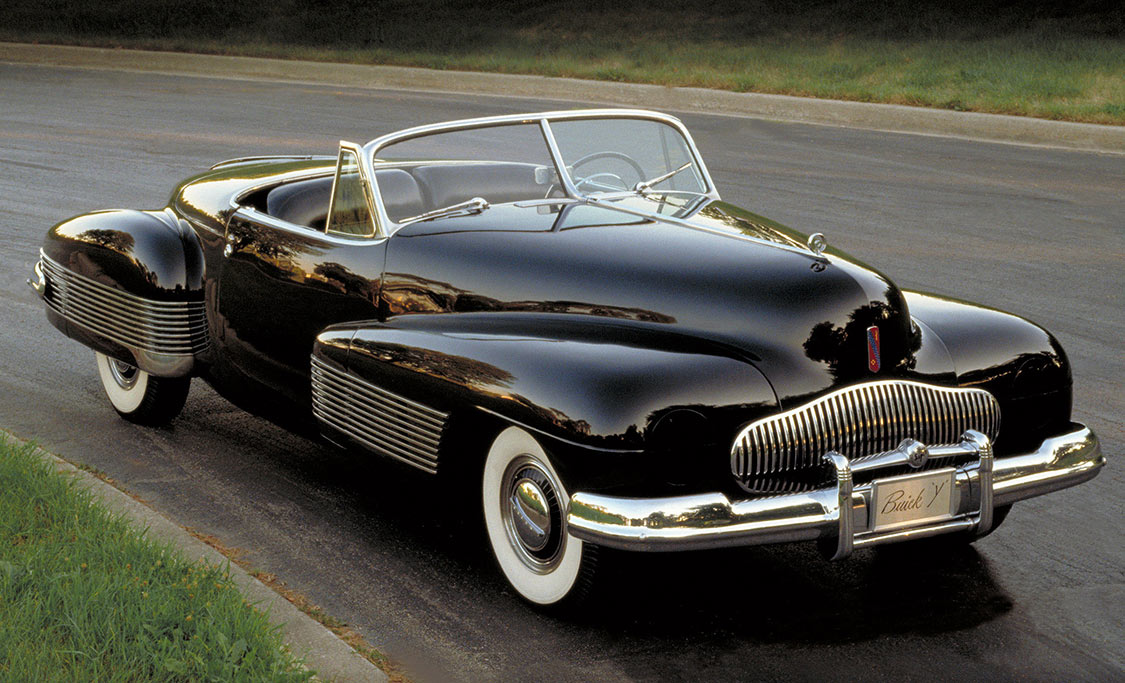
One of the most important vehicles associated with Earl is the 1938 Buick Y-Job. Often considered the first concept car, it was designed to explore future styling ideas rather than enter production. The Y-Job featured hidden headlights, flush door handles, and a smooth, integrated body that was far ahead of its time. Unlike most concept vehicles today, it was fully functional, and Earl used it as his personal car for several years. The Y-Job established a template for how concept cars could be used to shape the future of design by driving excitement and taking risks in automotive design.
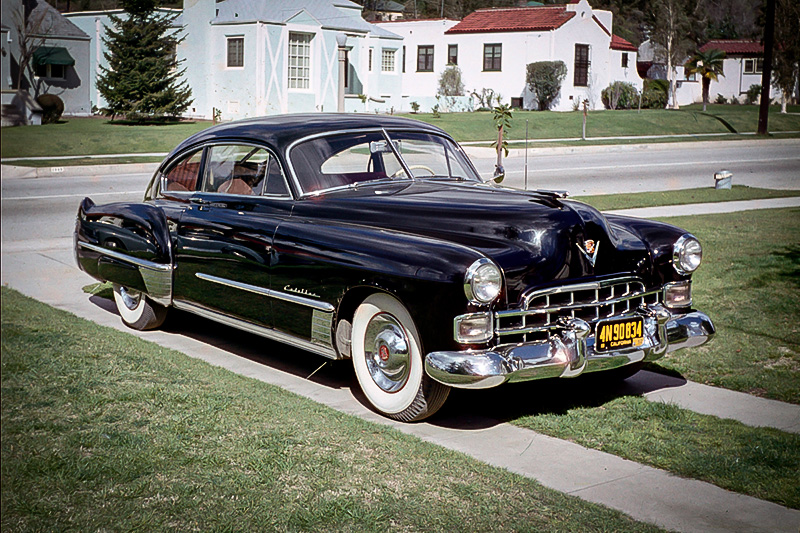
With the 1948 Cadillac, Earl introduced tailfins. Highlighting his flair for spectacle and willingness to challenge engineers, the legendary design cue was the result of a field trip GM designers took to Selfridge Field near Detroit, where they sketched Lockheed P-38 Lightning warplanes. The Cadillac’s small tailfins marked the beginning of a design movement that would dominate the next decade. This car is significant not because of excess, but because it established a new visual language that other manufacturers quickly adopted. The race for tailfin supremacy was on.
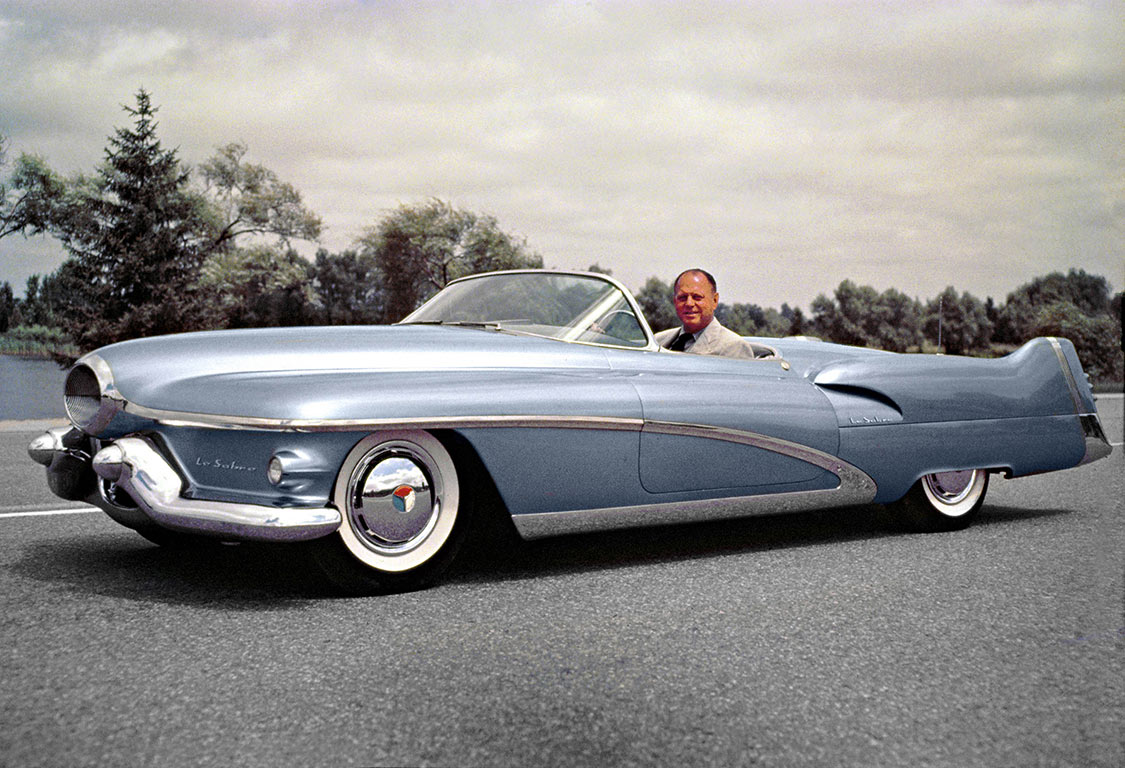
Widely considered his crowning achievement, the 1951 LeSabre Concept captured just how far into the future Earl’s pen could take him. Named after the F86 Sabre, America’s first swept-wing fighter jet, the concept screamed Jet Age style.
The LeSabre featured a distinctive rotating center oval grille that looks strikingly like a Sabre open nose intake, a wraparound windshield, more pronounced tailfins, and a low, streamlined profile. Materials were exotic for the day as the body combined aluminum, magnesium, and fiberglass construction.
Power was supplied by a 335-horsepower, 215-cubic-inch V8 engine capable of running on either gasoline or ethanol, with fuel stored in aircraft-style bladders housed within the large tailfins.
Inside, an aviation-inspired cockpit sat behind a wraparound windshield and included advanced features such as heated seats, a rain-sensing system that automatically raised the convertible top, and controls for an integrated chassis jack system. As the centerpiece of GM’s auto show circuit, the LeSabre captivated audiences before eventually being retired and used as Harley Earl’s personal vehicle, much like the earlier Y-Job concept car.
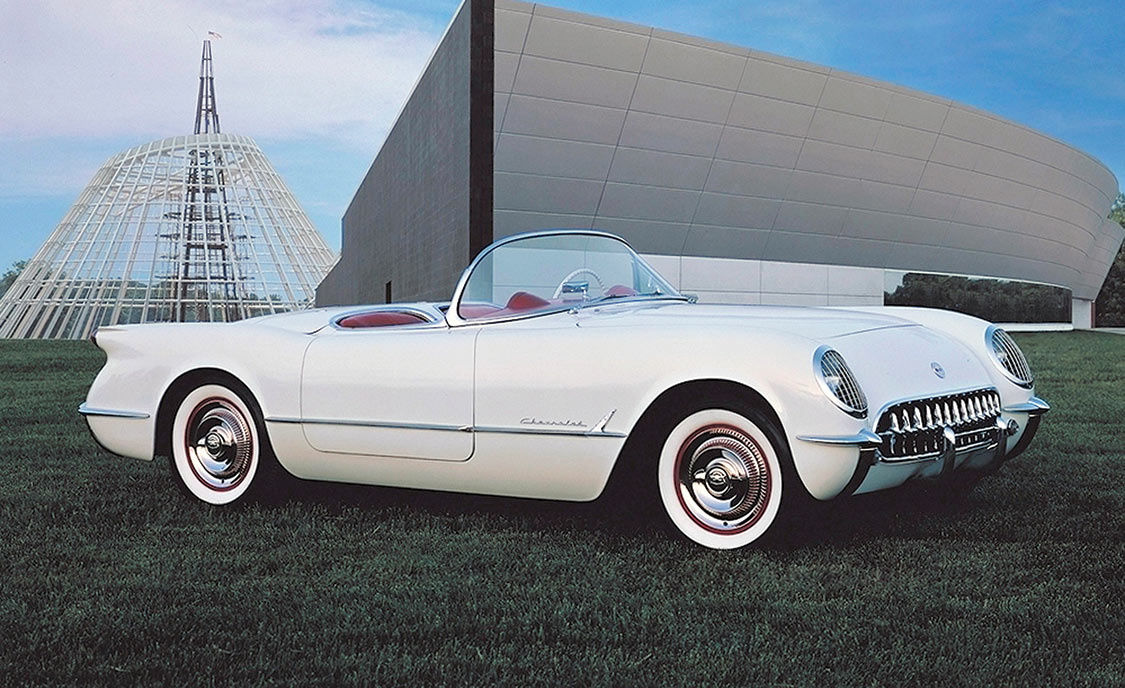
Originally codenamed Project Opel, the goal of the car that would become the 1953 Chevrolet Corvette was to create an American interpretation of the ritzy sports cars from Europe that were popular at the time. The ‘Vette had the look and, thanks to its fiberglass construction, the lightness to be a performance contender, but it lacked the muscle. That changed in 1955 when Zora Arkus-Duntov, widely recognized as the “Godfather of the Corvette” introduced a small-block V8 in place of the original Blue Flame inline-six. In continuous production since ’53, the Corvette is currently in its eighth generation.
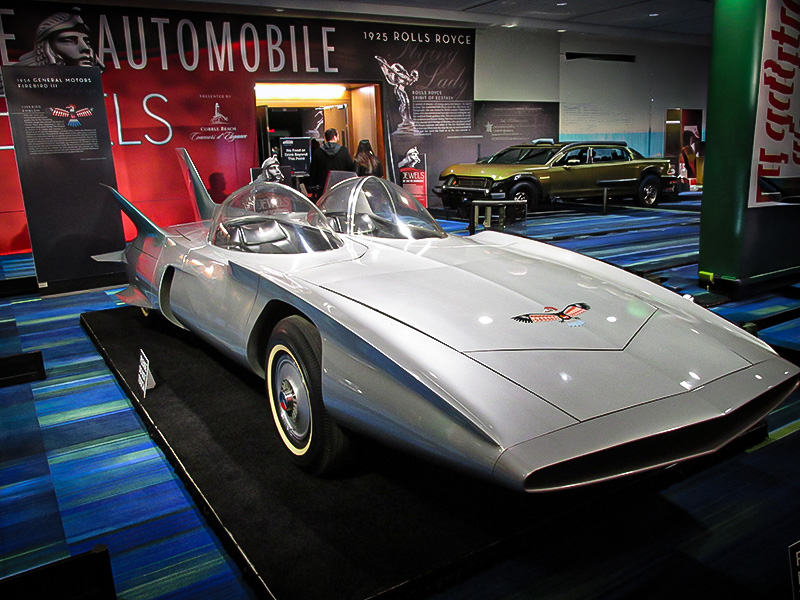
Bearing a strong resemblance to the LeSabre, the Firebird II took Earl’s Jet Age styling philosophy to the extreme. According to General Motors, “The four-passenger Firebird II was characterized by innovations like a titanium body, a regenerative gas turbine, all-wheel independent suspension with automatic load-leveling, power disc brakes, alternator, magnetic ignition key, electric gear selection, and individually controlled air conditioning.” Illustrating Earl’s willingness to push the design envelope, the concept was more a jet plane without wings than an automobile with a turbine engine. Using a critical eye, the rear hinted at the upcoming 1959 Cadillac tailfin treatment; they were just highly exaggerated and curled instead of standing tall.
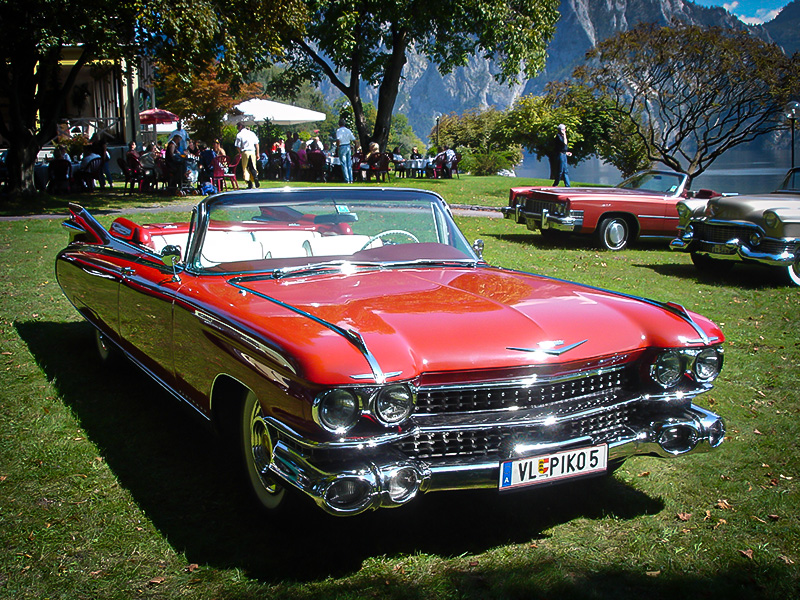
The 1959 Cadillac is another of Earl’s most recognizable designs. It represents the peak of the tailfin era, with large, dramatic fins and extensive chrome detailing. Along with continuing the influence of the Jet Age, the design reflected the optimism and excess of late-1950s America. The trend seemed to peak and drive off a cliff as later designs moved away from this level of exaggeration and the tail faded from popularity.
Earl’s overall approach to design was different from the engineering-first mindset that had dominated the industry. He focused on how cars looked and how people responded to them emotionally. He understood that buyers were drawn to appearance, proportion, and presence, not just mechanical specifications. This led to a shift in how vehicles were positioned in the market, with styling becoming a primary selling point.
Earl also paid close attention to broader cultural influences, and he recognized that cars did not exist in isolation, and that design trends from other industries could be adapted to automotive applications. This approach helped keep his work relevant and aligned with the interests of the public.
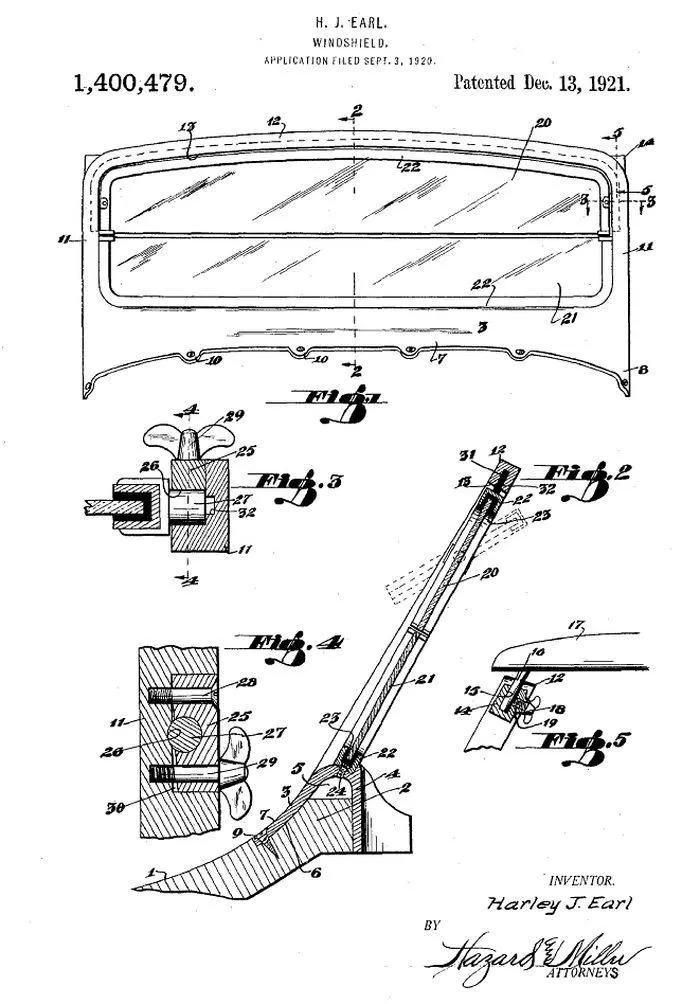
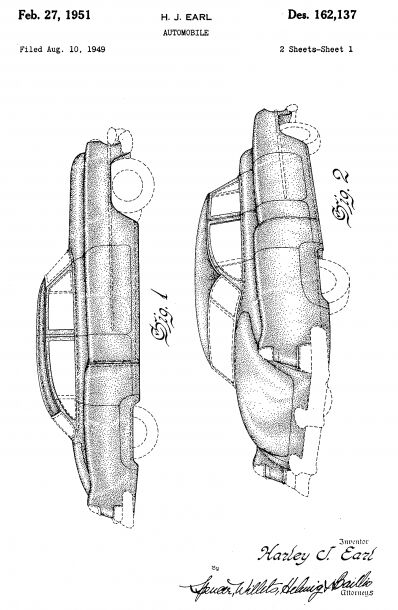
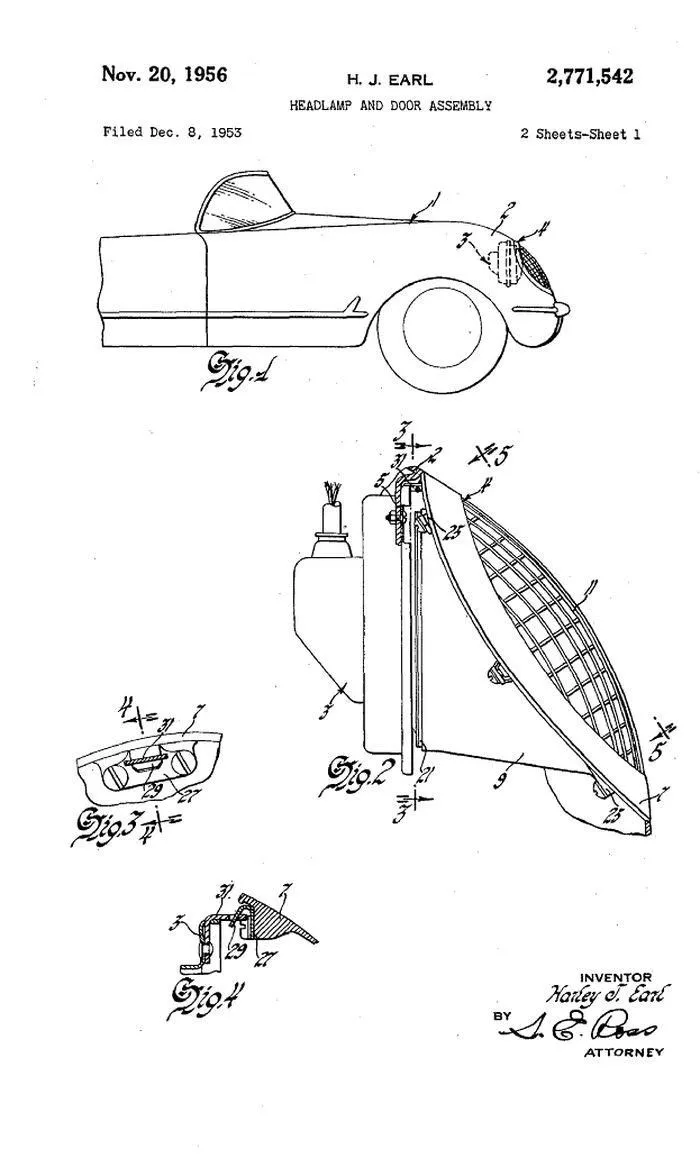
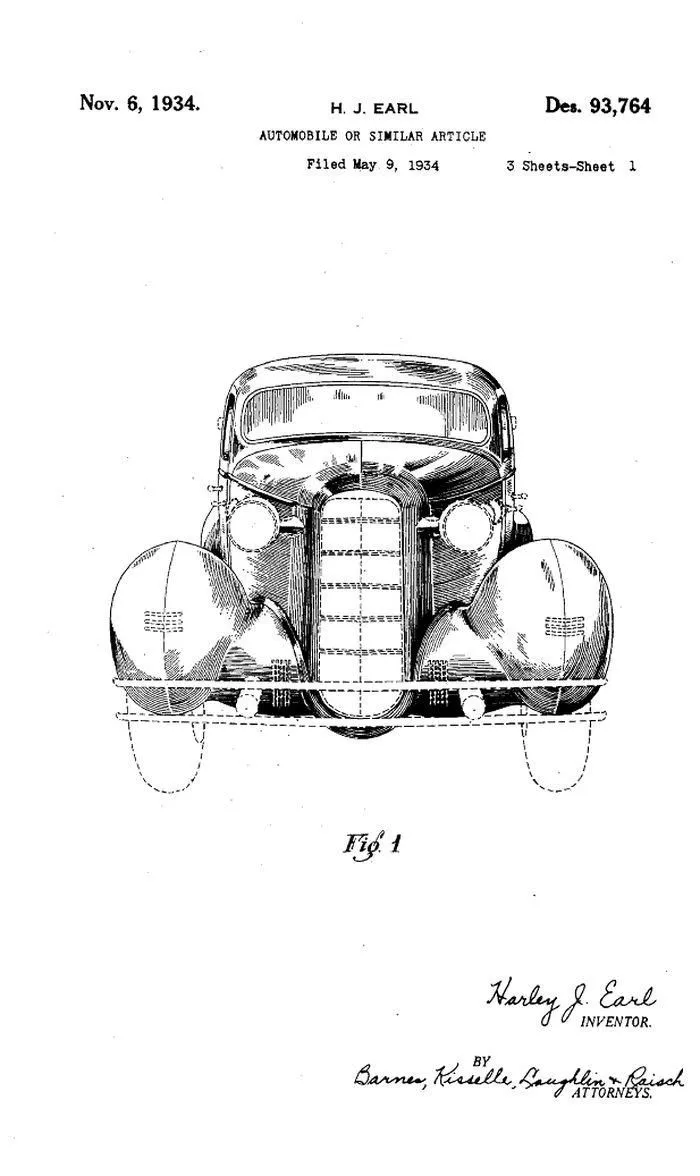
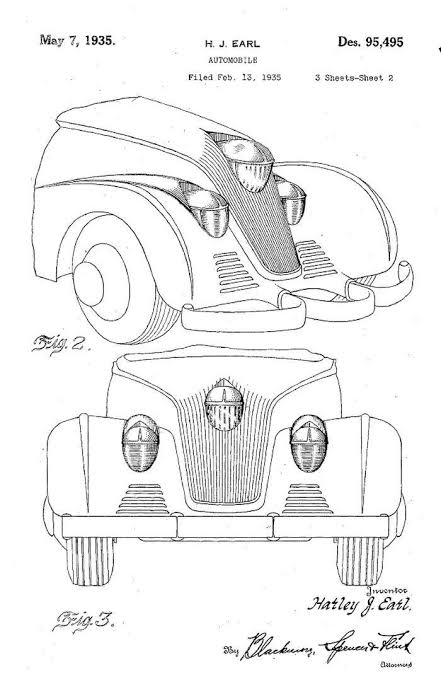
Harley Earl retired from General Motors in 1958 and passed away in 1969, but his influence on automotive design has never faded. The systems and philosophies he pioneered continue to shape the industry today. Every major automaker now has dedicated design studios, styling is a central part of product development, concept cars remain essential for exploring new ideas and generating excitement, and clay modeling is still used to refine vehicle designs before they reach production. More than half a century after his passing, Earl’s vision continues to define how automobiles are imagined, designed, and marketed.
The articles and other content contained on this site may contain links to third party websites. By clicking them, you consent to Dorman’s Website Use Agreement.
NC House Bill 926 introduces long-term protections for racetracks, shaping the future of motorsports and influencing the broader automotive landscape.

EVs and hybrids that time forgot.

It’s not just you. This job ain’t what it used to be.

Aging roads and infrastructure might play a role in planning your shop’s future business.
You may not think it, but automotive lighting has come a long way.
Here are eight cars that paved the way for modern engines.
Participation in this forum is subject to Dorman’s Website Terms & Conditions. Please read our Comment Policy before commenting.