Maybe there’s a reason “upsell” has become a dirty word—and it might be your fault.

Service Writing Tip: Justify Your Recommendations
read more



Maybe there’s a reason “upsell” has become a dirty word—and it might be your fault.
Every four years, the American Society of Civil Engineers (ASCE) releases a report card for America’s infrastructure, evaluating and grading across 18 categories like condition, funding, and resilience. In the most recent 2025 report, one of the more notable findings was the grade for U.S. roads, which received a D+. Although, yes, that is an improvement over the previous report in 2021 (when roads earned a D), it still ranks near the bottom, ahead of only two other categories (stormwater and transit). From widespread deterioration to long-term funding gaps, the rating of a D+ isn’t much of a shock; it feels, in some ways, generous.
Plans for infrastructure investment and improvement are underway, but your customers’ vehicles will be dealing with those D+ (average) roads in the meantime. What does this grade really mean, and how should your shop plan for the future?
To fully understand why the U.S. received such a low score for its roads, start by looking at the numbers behind the rating. The ASCE report shows that 39% of major roads are in poor condition, while 45% are considered good, and 16% are fair. At first glance, it may seem positive that more roads fall into the “good” category compared to the “poor” category, and overall, it is. However, the difference is not large enough to offset the bigger issue: nearly two out of every five major roads are still operating at a subpar standard. Spread that across the U.S. roadway network, and now we can see why the overall rating was a troubling D+.
U.S. road systems have a recent history of low scores, and the gap between good ride quality and bad ride quality roads is growing. While some roads have improved, others are neglected, overused, or otherwise declining, creating a more polarized system overall. More importantly, this suggests the problem has been building for years, rather than being a recent issue with clear causes or policies to blame.
Chronic underinvestment also drove the score down. According to ASCE’s “Bridging the Gap” report, surface transportation will require roughly $3.5 trillion in funding between 2024 and 2033, with about $2.2 trillion of that needed for just roadways. The problem is that investment needs are growing faster than available revenue; declining fuel tax receipts, aging infrastructure, and budget constraints have all contributed to a projected funding gap of over $675 billion in the next decade. In short, many roads simply are not receiving the level of funding needed to keep up with repairs and improvements.
Population growth is another contributing factor for the ASCE, but maybe not in the ways that you’d expect. Increases in population at the city or regional level turn up the pressure on already-strained urban roadways. Gains in national population affect road wear, too, but infrastructure in dense areas can end up taking the brunt of it. At the same time, freight transportation and EVs are becoming more prevalent, driving even more wear and tear simply because they weigh more than traditional gas- or diesel-powered passenger vehicles. Roads may need to be reinforced, rather than just maintained, to accommodate new trends in traffic.
The last major factor for such a low rating is something that no one can really control: the weather. Extreme temperatures, flooding, erosion, wildfires, and other weather events continue to put additional stress on roads across the country. As these events become more frequent and severe, keeping roads in good condition becomes even more challenging. In many ways, the rating isn’t just about how we maintain the roads; it’s also the harsh conditions they endure year after year. The U.S. faces an especially unique challenge due to the range of seasons, weather patterns, and temperatures found within its borders.

Road projects take time to plan, fund, and build, meaning the benefits of any current investments won’t be seen right away. As a result, road conditions for your customers might not improve for several years. And the same goes for their vehicles, which will need to contend with rougher road surfaces, harder miles, and seasonal hazards.
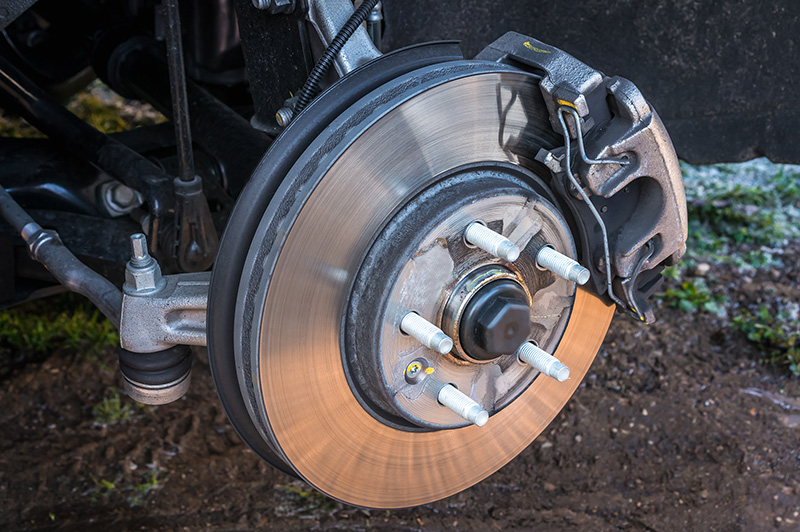
With that in mind, think about how roadways in your area are likely to drive business. Tires are a mainstay for most shops, and areas riddled with potholes and bumps will put those tires through the wringer. All that hammering from impacts will also wear out suspension, bushings, engine/transmission mounts, bearings, and steering connections. These types of repairs are likely to stay in demand, so make sure that your shop has these repairs down pat. Don’t forget about alignments, either.
Shocks and struts should also be at the top of your list, too, along with tie rods, ball joints, and wheel bearings. Are your techs relying on a hydraulic press for bearing/bushing work, or do you use loaded knuckles to save time? Are steering components checked for play routinely, or only when a customer comes in with a complaint?
Even taking a few minutes to look closely for bent or cracked wheels can help pad your estimates while also demonstrating attention to detail to your customers.
Depending on where you live and work, a failing grade for the roadways could provide opportunities for your business to succeed until large-scale infrastructure improvements can smooth things over. By planning to meet those repair challenges in advance, this might be your chance to pass with flying colors.
The articles and other content contained on this site may contain links to third party websites. By clicking them, you consent to Dorman’s Website Use Agreement.
EVs and hybrids that time forgot.

It’s not just you. This job ain’t what it used to be.

As General Motors’ first design chief, Harley Earl transformed the automobile from a machine into a cultural icon.

You may not think it, but automotive lighting has come a long way.

Here are eight cars that paved the way for modern engines.
Ostensibly simplistic for casual users, the SAE plug is often an accident waiting to happen.
Participation in this forum is subject to Dorman’s Website Terms & Conditions. Please read our Comment Policy before commenting.