Maybe there’s a reason “upsell” has become a dirty word—and it might be your fault.

Service Writing Tip: Justify Your Recommendations
read more



Maybe there’s a reason “upsell” has become a dirty word—and it might be your fault.
Brakes are dang important!
Because of that, so is their maintenance. We, as techs, know this, but the humble brake fluid flush is one of the first things motorists strike from recommended maintenance (aided, at times, by timid service writers who don’t care to risk losing more recommendations on a ticket), but we all know how dangerous that is. And we also know ABS has come a long way, and having fluid on board that’s up to the task couldn’t be more critical.
@dormanproducts Today on Shop Press, learn what dark brake fluid really means when inspecting a braking system.
♬ original sound - Dorman Products - Dorman Products
Many readers are not old enough to remember when ABS was an exotic option, but it was. At first, there was much fear surrounding the systems, but in reality, they were hardy and durable—just as they are today. Learning to work on them wasn’t horribly difficult, but the unfamiliarity caused some wariness. As ABS became commonplace, many techs realized that the systems could be bled fully just as they were on non-ABS vehicles, and life was peachy for a few years. Complacency set in, but it was OK—bleeding brakes was the same as it had always been.
Like everything else in this business, times changed. A “standard” manual bleed no longer would suffice. ABS systems began to be plumbed with many parallel circuits. Gone was the guarantee that everything was plumbed in series as it was before the days of anti-lock brakes. This meant that a full flush could bypass areas completely. This started all the way back at the turn of the century with Bosch 5.3, Bosch 5.7, and Delphi DBC7 systems.
Features like four-channel ABS, electronic stability control, hill-hold assist, and cornering brake control have all combined to necessitate complex brake plumbing to keep pace with the faster ABS microcontrollers, complex code, sky-high fluid pressures (at times), and nuanced integration of the aforementioned systems, which brings us to the lede I’ve buried thus far: a brake fluid flush on a modern car is not complete until the pump has been cycled appropriately using the proper procedure, which in 2026 is almost always commanded by use of a bidirectional scan tool.
There are a host of systems that call for ABS pump cycling protocols to be followed during service and routine flushing—at this point, more systems require cycling valves than ones that do not: Continental Teves MK60, Bosch ABS 8.0/9.0 and ESP variants come to mind, but they are joined by plenty of other systems with integrated HCUs and complex plumbing.
But let’s not get lost in the technology. Here are a few down-to-earth reasons to perform brake fluid exchanges as correctly as you can.
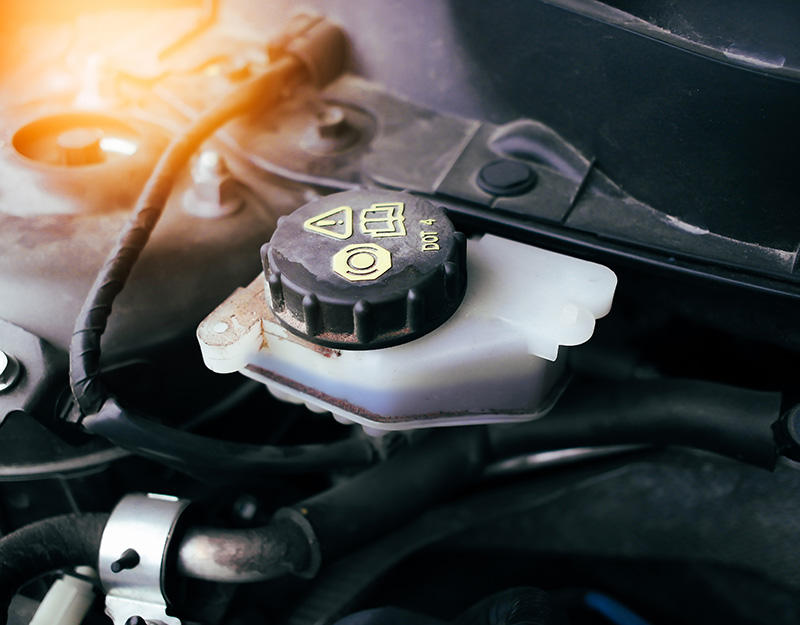
We covered this, but only from the repair side of the equation. Much as the concept of ABS being “special” is going away, so are the drivers who felt that way. Many motorists have never even operated—never mind owned—a vehicle without ABS. Often, they rely on it far more than drivers who were a bit more prudent in years gone by. Inoperable is unacceptable.
On any bleed job, sending the car out the door without air in the system is table stakes. However, you really don’t know if the last tech phoned it in during a bleed, or maybe installed an HCU (hydraulic control unit) improperly. If there’s air in the system—or you introduced it and don’t realize it—the going is gonna get tough. When your customer needs the brakes to work the most—the panic stop— air trapped in those hidden chambers is going to partially or fully render the ABS inoperable.
Well, that’s better than air, right? Sure, but only by a little. The brake fluid in the pump is probably the worst fluid in the system, maybe even worse than what’s at the calipers. Why? It doesn’t get used a bunch. It rarely heats up to drive the water off. Even though brake fluid is a liquid, it sort of hangs out where it ends up; there’s no pump circulating fluid around the system. Especially if someone (maybe even you!) didn’t do a thorough fluid exchange previously, it’s very possible braking performance will be far from its apogee. Perhaps more importantly, an item like an HCU is the most financially disastrous part of the system. They’re cripplingly expensive to purchase, highly susceptible to oxidation caused by moisture and additive dissipation (the very reason we’re telling the customers to change the fluid!) and the OEMs know this, which is why many have become sticklers on pricey repairs some customers will claim should be warranty work.
We all know the answers to both those questions. They’re very hypothetical, and yet very real.
Especially in the case of a vehicle with badly neglected fluid, you very well may get stuck rebleeding after cycling. Much like the coolant flush or the transmission fluid exchange, we need to move fluid through the system until it’s clean(ish) everywhere within reason. Make sure you’re charging an appropriate amount for labor and materials to cover that additional complexity, which amounts to a second bleed. Writers, make sure you find a way to capture and concisely explain those higher costs up front before the car gets into the bay, especially if the fluid looks dark or you don’t have a solid idea of when the fluid was last serviced.
Electromechanical brake arrangements like the Brembo/Ningbo Sensify system may well make the concept of hydraulically-activated brakes a thing of the past—but that’s gonna take a while. Until that displaces the current crop of electrohydraulic systems completely, you need to keep your shop’s reputation as safe as your customers.
The articles and other content contained on this site may contain links to third party websites. By clicking them, you consent to Dorman’s Website Use Agreement.
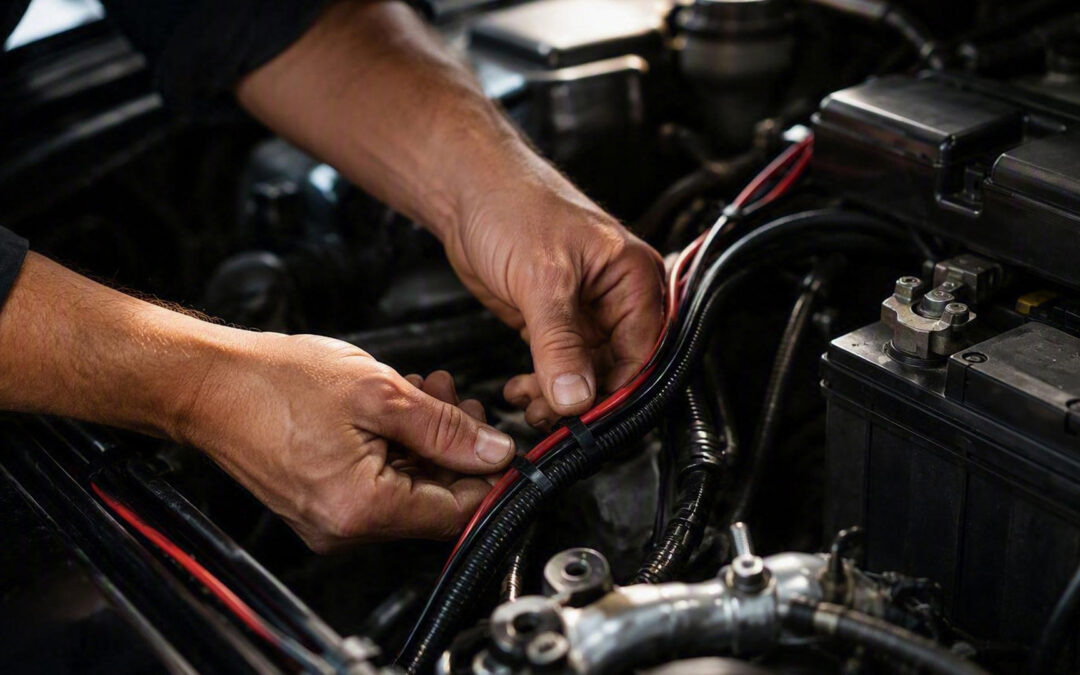
Don’t waste time with jumbled electrical connectors under the hood.
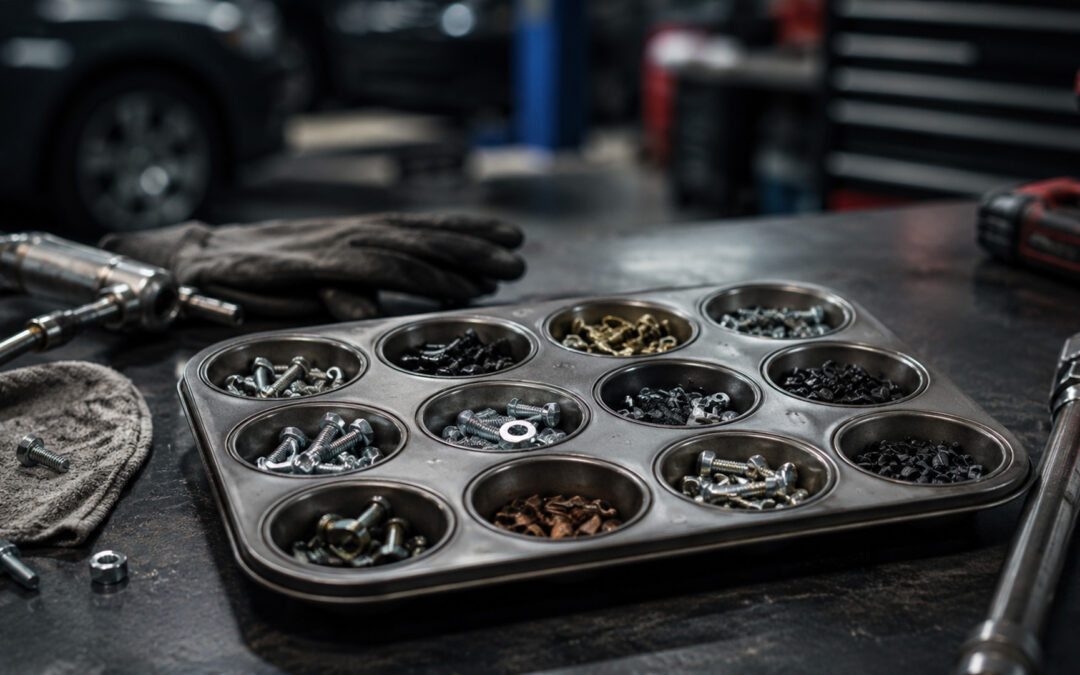
Keeping track of small parts during a job can be tricky, but there’s a cheap and effective way to solve that problem.
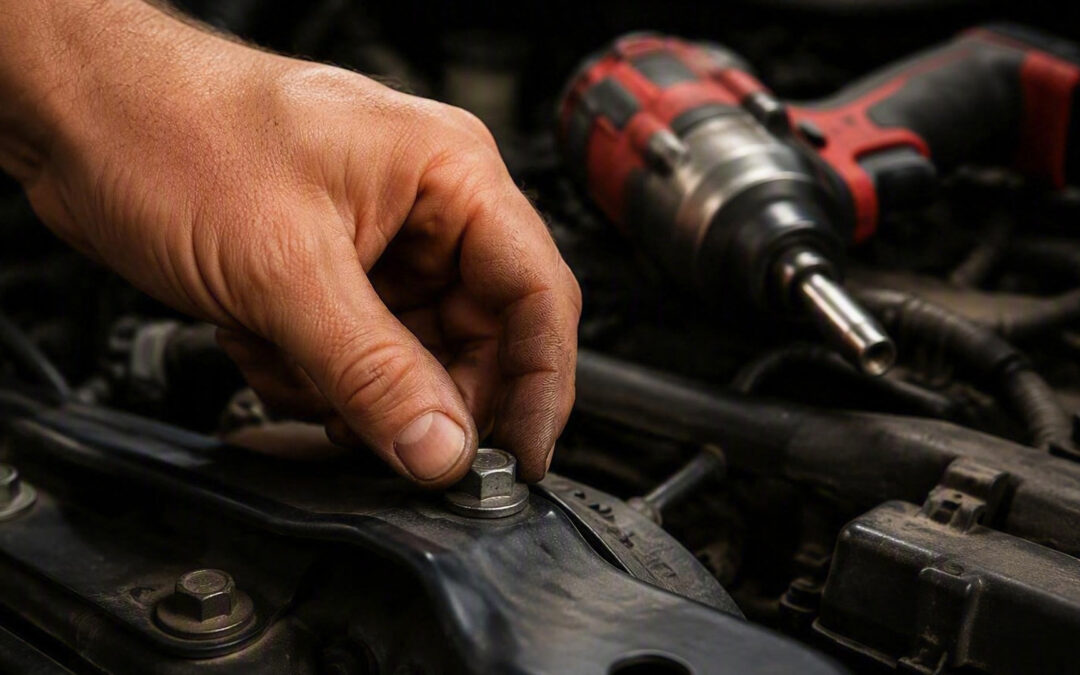
Cross-threading or stripping a fastener can bring progress to a halt in an instant. Start by hand-threading fasteners.
Every car you touch is full of it, but it’s not in any service manual. Here’s the working tech’s guide to plasticizers: why plastic goes soft, sticky, chalky, and cracked, what actually happens when you hit trim with a torch, and why your customer’s dash keeps fogging the windshield.

Ever get up to your elbows in a diagnostic problem, only to wind up right where you started an hour later?
Having trouble hanging onto a nut or bolt with a socket?
Participation in this forum is subject to Dorman’s Website Terms & Conditions. Please read our Comment Policy before commenting.