Maybe there’s a reason “upsell” has become a dirty word—and it might be your fault.

Service Writing Tip: Justify Your Recommendations
read more



Maybe there’s a reason “upsell” has become a dirty word—and it might be your fault.
If you’re a tech of a certain age, you’ll remember a time when a bead seating air tank was a somewhat exotic tool. Today, seating low-pro tires that have sidewalls resembling rubber bands is the norm and use of tools beyond the bead seater on the tire machine is the rule instead of the exception.
So your shop may well have this tool. But it’s not always a home run; small combos like wheelbarrow tires, customers that want tires aggressively “stretched” and (ironically) tires with tall, floppy sidewalls that collapse aggressively to the drop center can make getting air into a freshly-mounted bun a challenge.
And if you’re of that age I just mentioned, you’ve no doubt mounted a tire using an aerosol can, though that’s verboten nowadays for a litany of reasons. If you don’t know what I’m talking about, there’s plenty of videos that will pop up if you search “mounting a tire with ether,” I’m sure.
I’m not gonna say I’ve never pulled that stunt, but it’s always the wrong choice. So without a bead seating air tank, and without involving ether explosions, how else might you seat a difficult bead? At my little shop, I work on mostly oddball and old stuff. Nearly every tire is mounted by hand, not with a machine, so every advantage is needed. I go through tons of lube, because I use copious amounts on both mount and dismount; torn beads are unacceptable given the cost of modern tires and I don’t have tire machine power in my little noodle arms.
I mix my tire lube like most of you probably do; maybe four parts water or so to one part lube so it makes them tires slicker than … uh, well, very slick indeed.
Now the trick I’m going to mention here is even printed right on the bucket of lube compound you might have in your shop, but if you never read it or saw the process in action, you might not realize there’s a totally different way to use the stuff in that bucket. Here’s how.
Mount your tires as normal and leave the wheel on the machine’s table so gravity brings the lower bead on the tire into good contact with the wheel. If you can use a ratchet strap to bring the tire’s upper bead package toward the bead sealing area on the rim, that will help. You’re obviously aiming to have the smallest gap possible like usual.
Then go grab your bucket of tire mounting compound. Rather than cutting it with water, you’re gonna slap on some latex gloves and start packing the compound in the gap. After the gap is packed, hit it with air. However, you won’t need the bead-seating pedal; just regular shop air through the valve stem is fine. It’s analogous to inflating a tubed tire if you’ve ever done that.
Here’s a video I found of someone demonstrating the technique perfectly, if you can ignore all the “comic” dubs over the top of the voiceover. The tire machine (is that a Coats 2020 Super Star?) is a nice little blast from the past, too.
First, the elephant in the room: if you’re a devotee of tire mounting paste, you’ll argue that this is potentially inducing corrosion, and I would not disagree with you. But life is situational: on a steel wheel or something kind of beat, this may be just fine. And let’s be honest, even nice aluminum wheels on the out-of-warranty cars that come into most indie repair shops ain’t so nice anymore.
There’s also the question of TPMS. Depending how much goop you’re packing in that gap and how aggressively you shove it in that tire, you may be affecting that little guy’s state of operation, and I wouldn’t argue with that, either.
Horses for courses. This trick isn’t always the right one to use, but tire mounting compound’s lesser-known method of deployment is another arrow in the quiver you can try when a customer’s stubborn lawn mower tire isn’t behaving on a Saturday afternoon.
The articles and other content contained on this site may contain links to third party websites. By clicking them, you consent to Dorman’s Website Use Agreement.
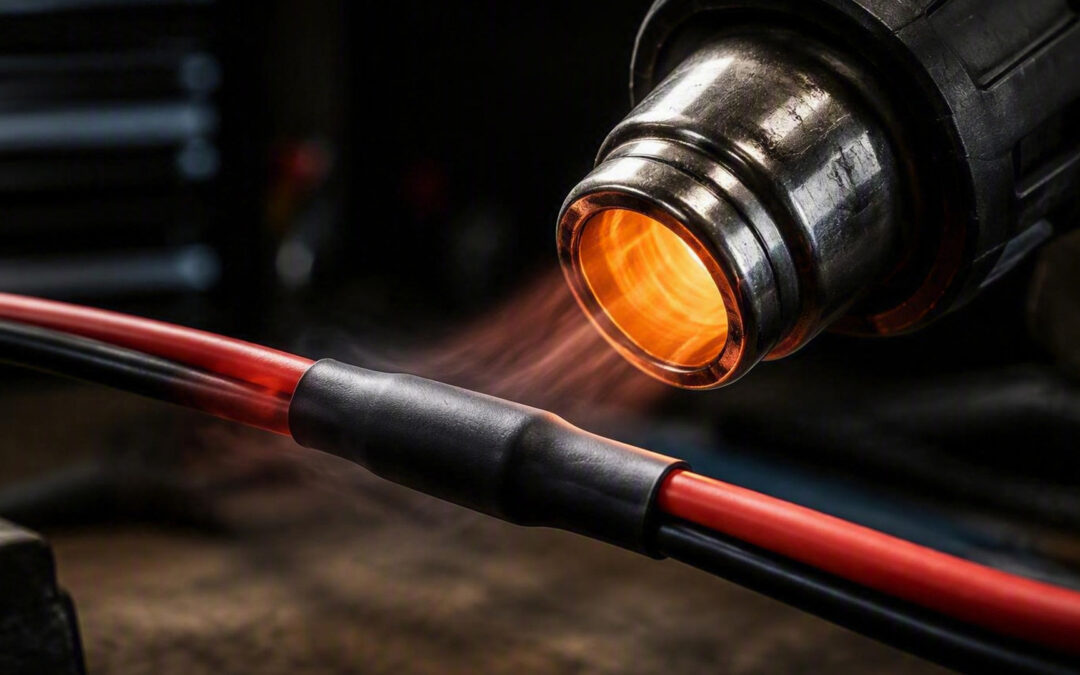
Need to make a secure electrical connection or repair with heat shrink tubing on the outside?
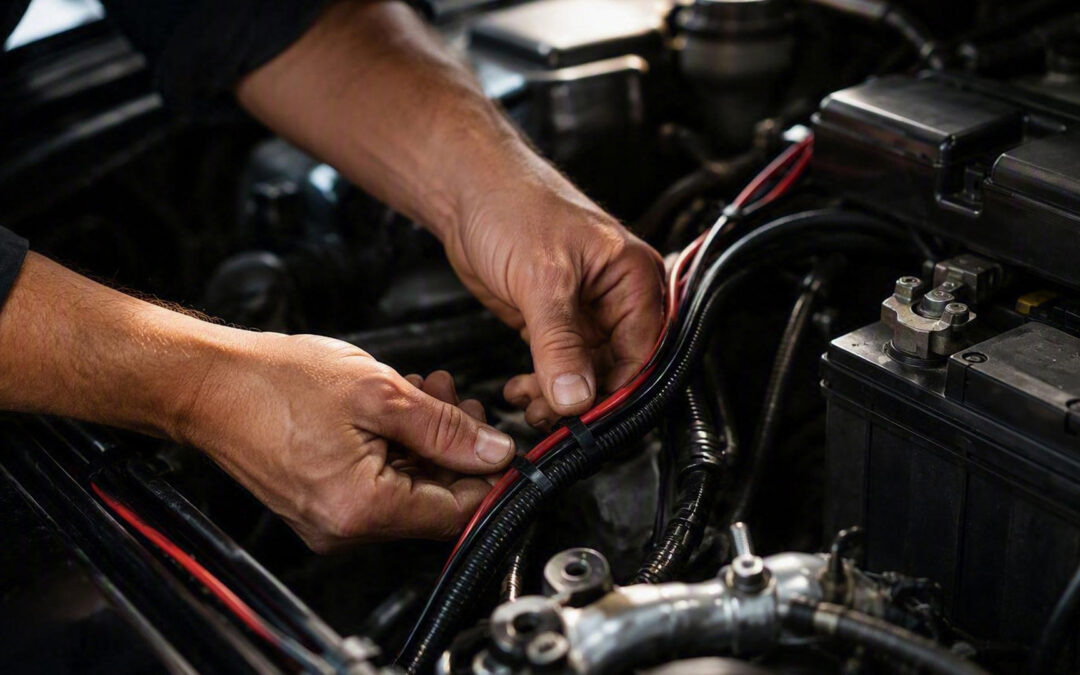
Don’t waste time with jumbled electrical connectors under the hood.
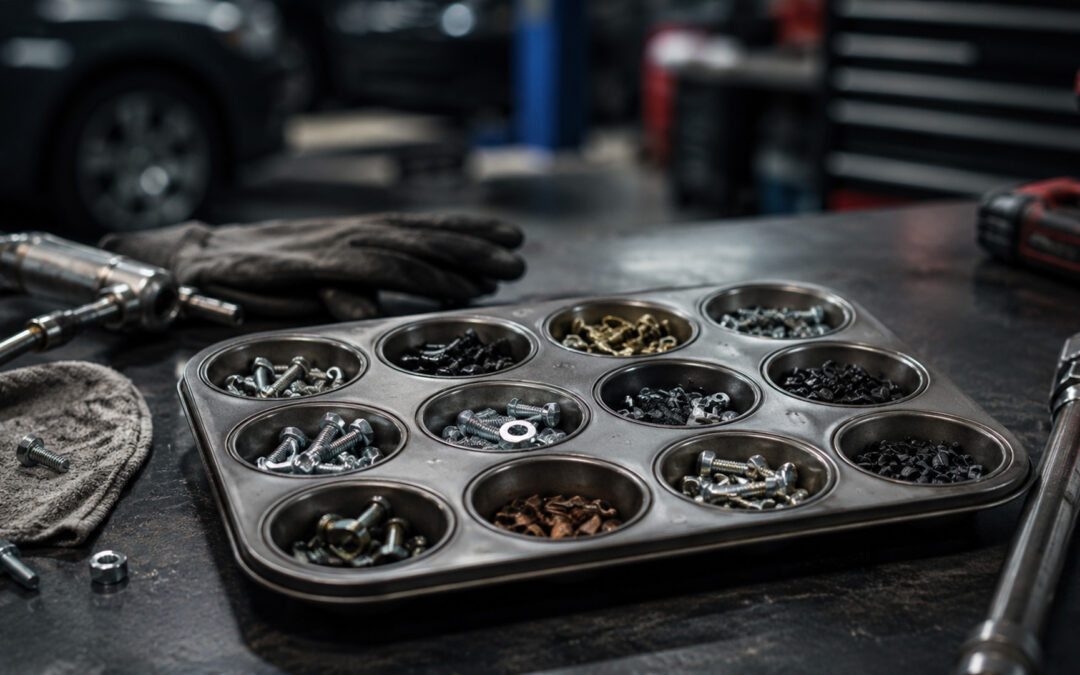
Keeping track of small parts during a job can be tricky, but there’s a cheap and effective way to solve that problem.
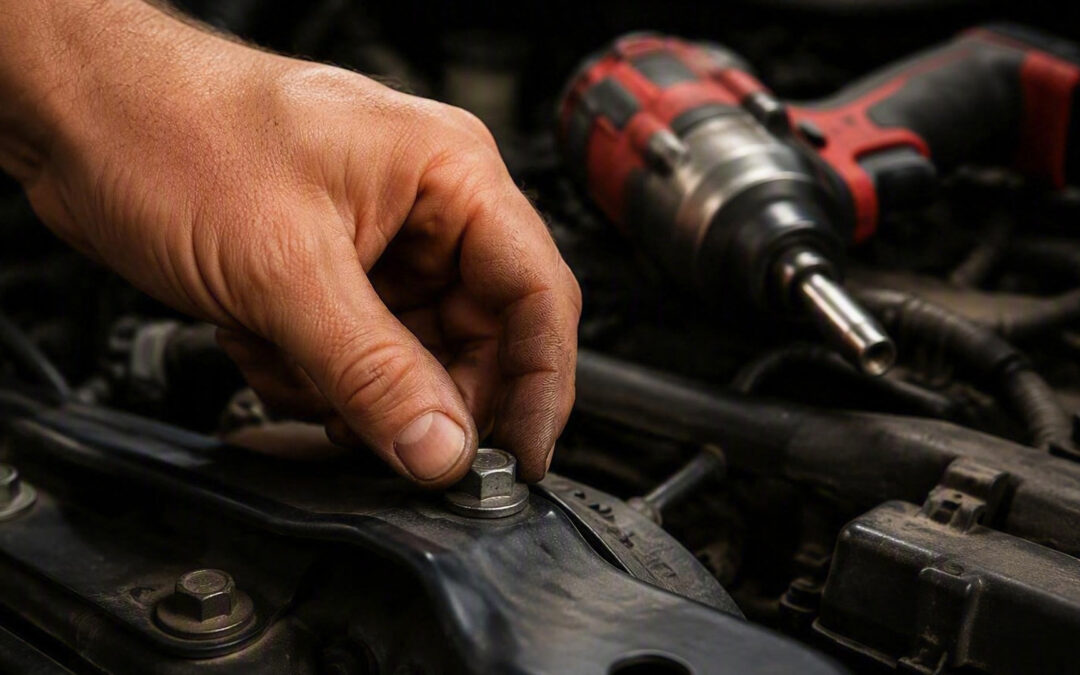
Cross-threading or stripping a fastener can bring progress to a halt in an instant. Start by hand-threading fasteners.

Every car you touch is full of it, but it’s not in any service manual. Here’s the working tech’s guide to plasticizers: why plastic goes soft, sticky, chalky, and cracked, what actually happens when you hit trim with a torch, and why your customer’s dash keeps fogging the windshield.

Ever get up to your elbows in a diagnostic problem, only to wind up right where you started an hour later?
Participation in this forum is subject to Dorman’s Website Terms & Conditions. Please read our Comment Policy before commenting.