Maybe there’s a reason “upsell” has become a dirty word—and it might be your fault.

Service Writing Tip: Justify Your Recommendations
read more



Maybe there’s a reason “upsell” has become a dirty word—and it might be your fault.
The most dangerous thing we do all day long is one most of us don’t think about: we raise a vehicle weighing a ton or three high in the air and work beneath it.
And yet, lifts aren’t maintained well in most shops. I’ve seen lifts out of plumb, bent legs, lifts with inoperable safety locks, and I’m old enough to have worked on in-ground lifts with controls that left the car’s height up to little more than chance.
So here are a few friendly tips for you. Rookies, take note, but you old-timers don’t click away just yet—you might have some deferred maintenance to attend to as well. Some of this you may feel you can handle, and some you may want to farm out. Use your noodle!
This tip is actually for both lift use and maintenance. When you lift a car, get it flyin’ and then drop it to set it on the safety locks. This does two things. First, it eases the load on the lift’s hydraulic system; the lift is used just to raise the car, not bear the load continually through the repair in progress. It’s analogous to using jack stands after raising a vehicle with a jack. The second thing it does, though—which is critically important—is it forces a function test of the lift’s locks every time you use the lift. You don’t want to find those are broken if something in the hydraulic system begins to fail.
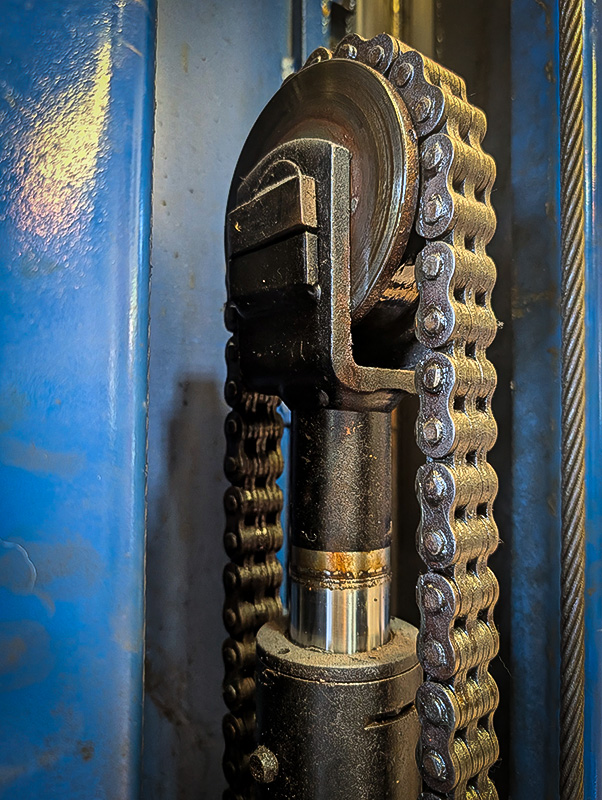
Like any hydraulic system, the lift needs clean fluid, or seals could leak and shafts could be scored. Granted, it takes hundreds of hours to really tax the fluid, but on a lift that might be decades old, a quick fluid swap might be prudent.
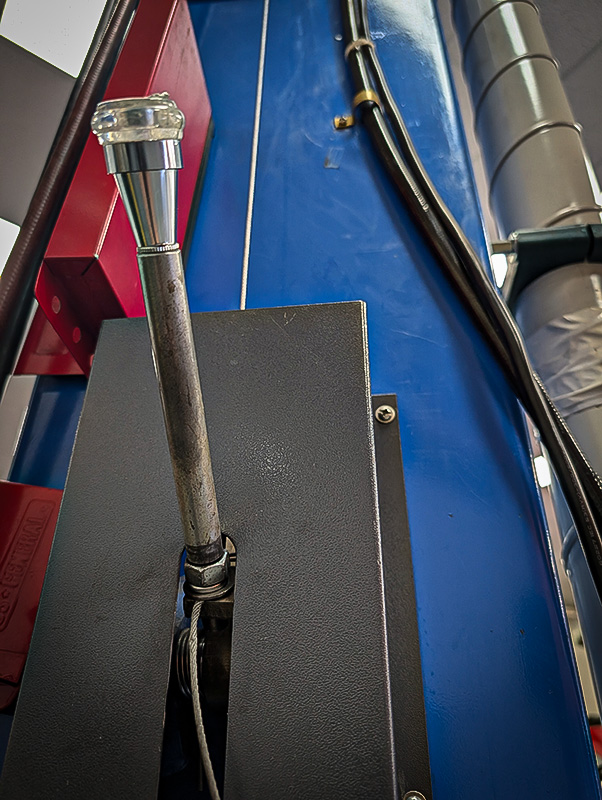
There are two sets of cables I think you oughta look at here. The first set is the more important set … the ones running under the lift if you work on a floorplate-style lift. Get that ramp off and sweep that junk outta there from time to time and eyeball the cables to make sure strands aren’t snapping or fraying. Pay extra attention to these if your bay takes on water or if you work in the Salt Belt—melting salt or slush can quickly wreak havoc under that floorplate. And adjust them! If you hear your locks engaging at different times, the cables are out of adjustment.
If your lift has legs that aren’t pretty close to level, shim the posts until they are. The safety implications of a lift that isn’t level should be obvious here. Yes, your lift pads can be adjusted to take up some slop, but in general, that should be a fine adjustment, not a coarse one. And lubricate those legs, too, after inspecting the welds and cleaning them.
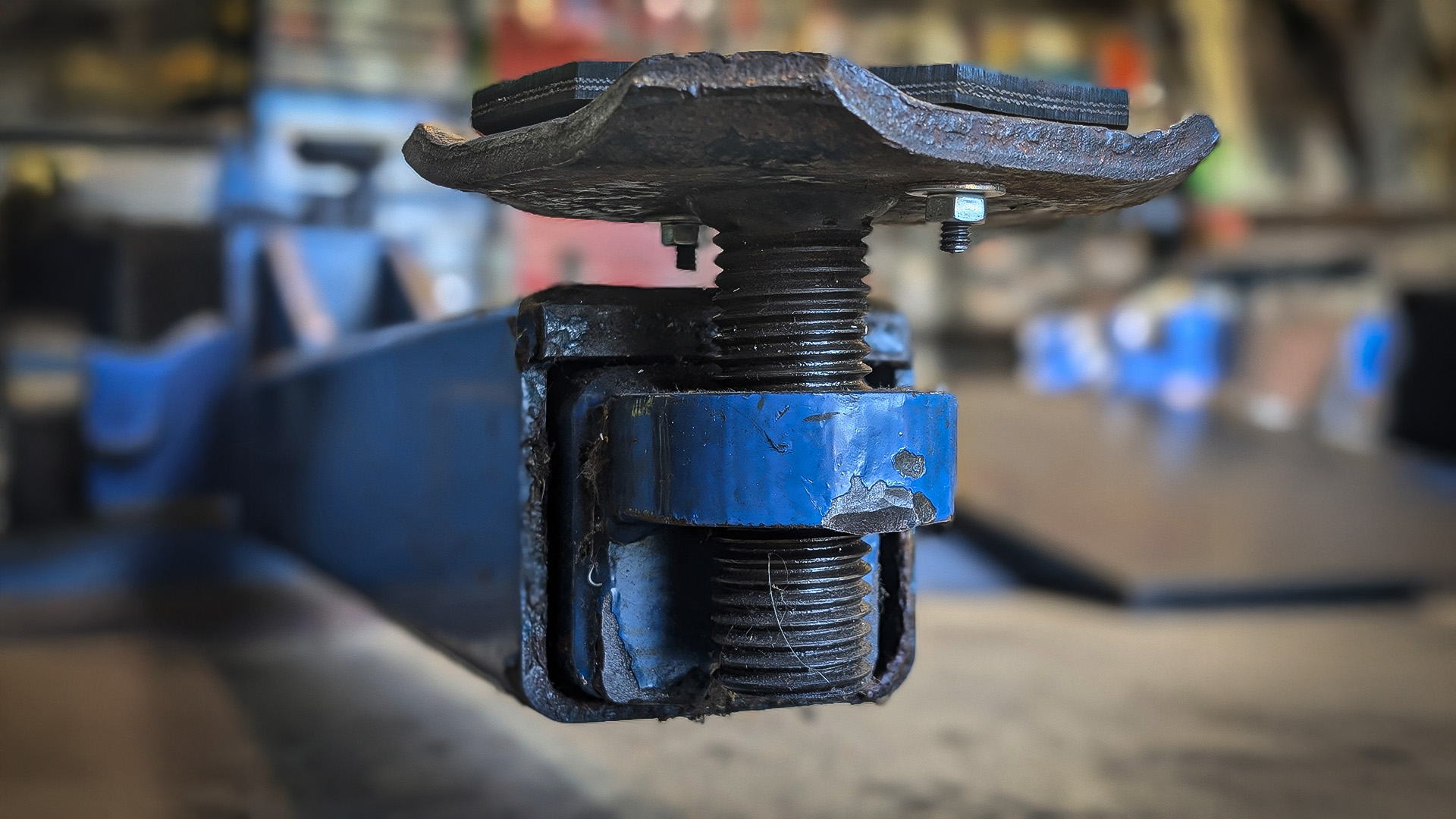
Don’t forget about your feet and pads, either. They do wear and they can tear up frame paint and pinch welds if they get real bad, and hinges and such do wear over time. Inspect, clean, paint and lube as needed.
Remember, that lift is all that stands between you and a fatal accident. Make sure it’s in as good shape as you can keep it.
The articles and other content contained on this site may contain links to third party websites. By clicking them, you consent to Dorman’s Website Use Agreement.
Don’t waste time with jumbled electrical connectors under the hood.
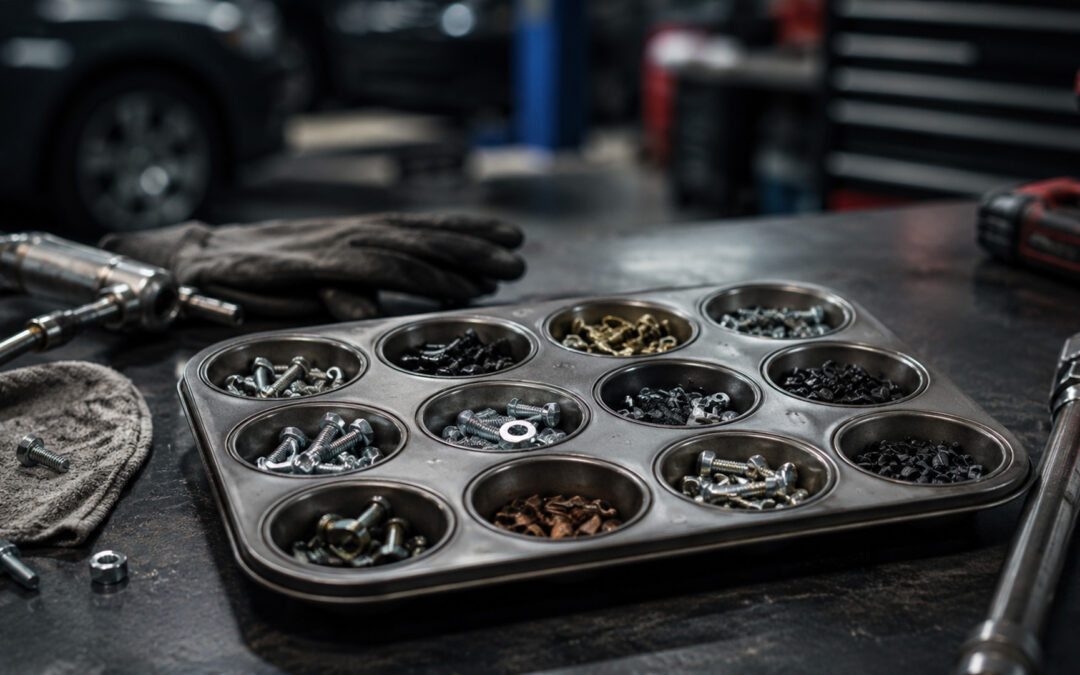
Keeping track of small parts during a job can be tricky, but there’s a cheap and effective way to solve that problem.
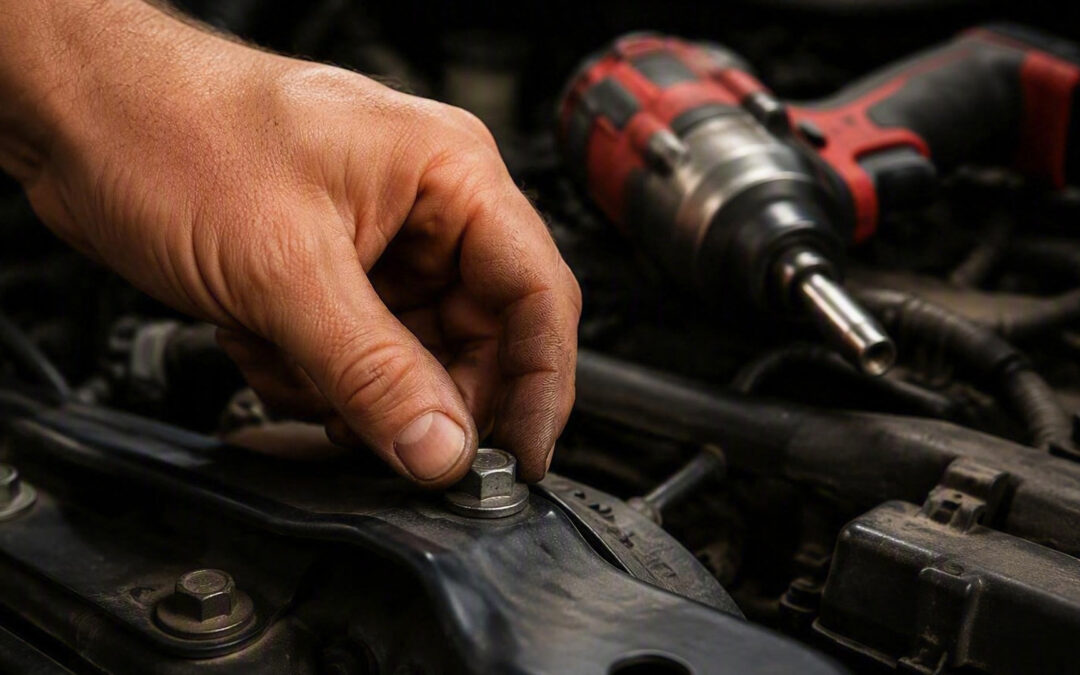
Cross-threading or stripping a fastener can bring progress to a halt in an instant. Start by hand-threading fasteners.
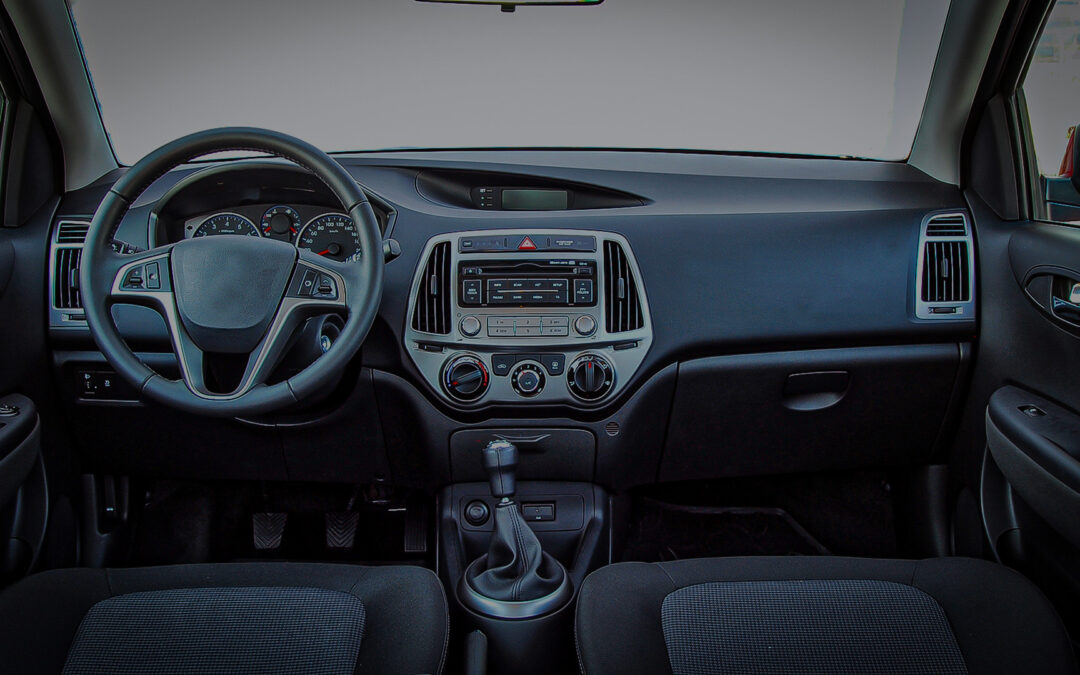
Every car you touch is full of it, but it’s not in any service manual. Here’s the working tech’s guide to plasticizers: why plastic goes soft, sticky, chalky, and cracked, what actually happens when you hit trim with a torch, and why your customer’s dash keeps fogging the windshield.

Ever get up to your elbows in a diagnostic problem, only to wind up right where you started an hour later?
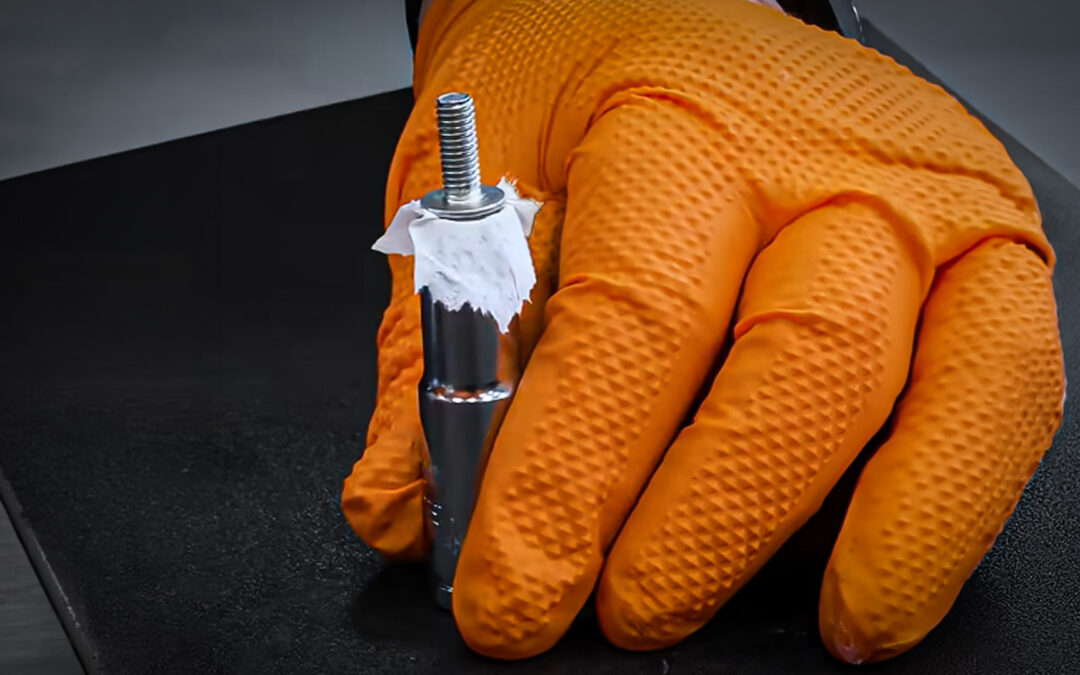
Having trouble hanging onto a nut or bolt with a socket?
Participation in this forum is subject to Dorman’s Website Terms & Conditions. Please read our Comment Policy before commenting.