Maybe there’s a reason “upsell” has become a dirty word—and it might be your fault.

Service Writing Tip: Justify Your Recommendations
read more



Maybe there’s a reason “upsell” has become a dirty word—and it might be your fault.
At this late date, if you work in a standard automotive facility servicing late-model vehicles, it’s probably infrequently you even see—let alone think about—pistons. However, if you are in a rebuild shop, a race environment, or the antique space, seeing a set of slugs is a bit more common. So, if you happen to be dealing with the heart of the internal combustion engine, you should know that the brandy-new pistons out of the box won’t be round nor will their walls be straight, and that is intentional.
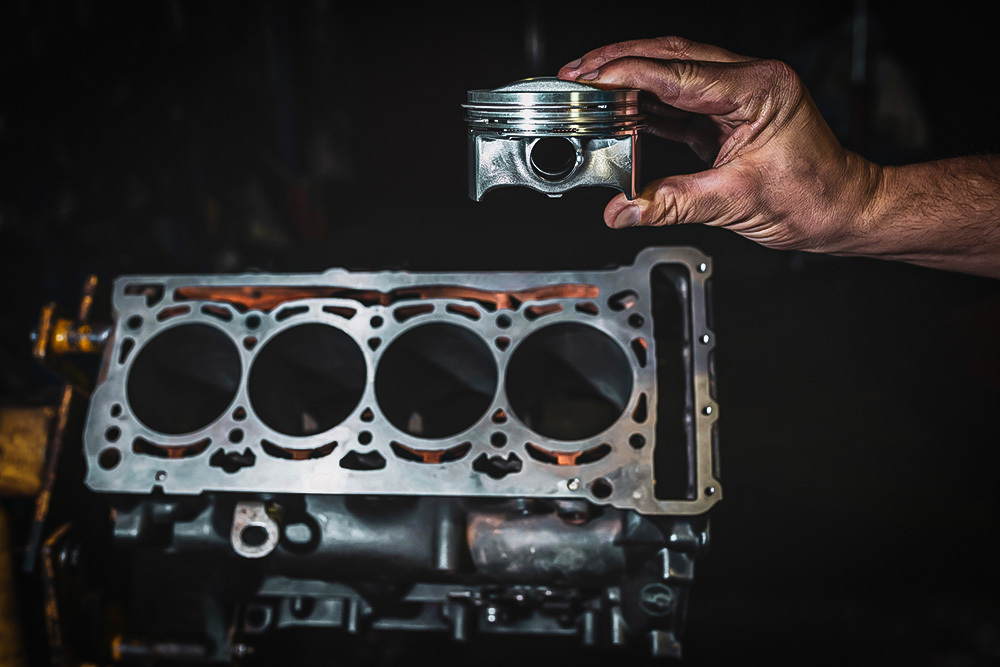
Engine cylinder in the hands of a mechanic. Photo: istock.com/Andrii Shablovskyi.
Pistons are ovoid. Or at least they are below the ring lands. They’re a bit longer perpendicular to the wrist pin than parallel to it. There are two reasons for this. First, this is to account for the thrust that causes the piston to naturally “rock back” in its bore. The minor thrust face is the side that takes the wear on the non-power strokes, but the major one is the one that takes the real beating on the power stroke. (On pistons with asymmetrical, partial skirts, this correlates with the wider skirt face.) Offset wrist pin placement helps mitigate this to some degree, but not totally. Reducing the amount of skirt in contact with the cylinder wall by using an ovoid shape helps reduce power-robbing friction.
That also works in tandem with the second reason, which is the wrist pin bosses. These areas that support the pin take the most force, and as such, have more material present. That material holds more heat, and because of that, expands more parallel to the wrist pin.
Don’t believe it? Take a new piston out of the box and roll it on the table. Your eyes and ears won’t lie to you.
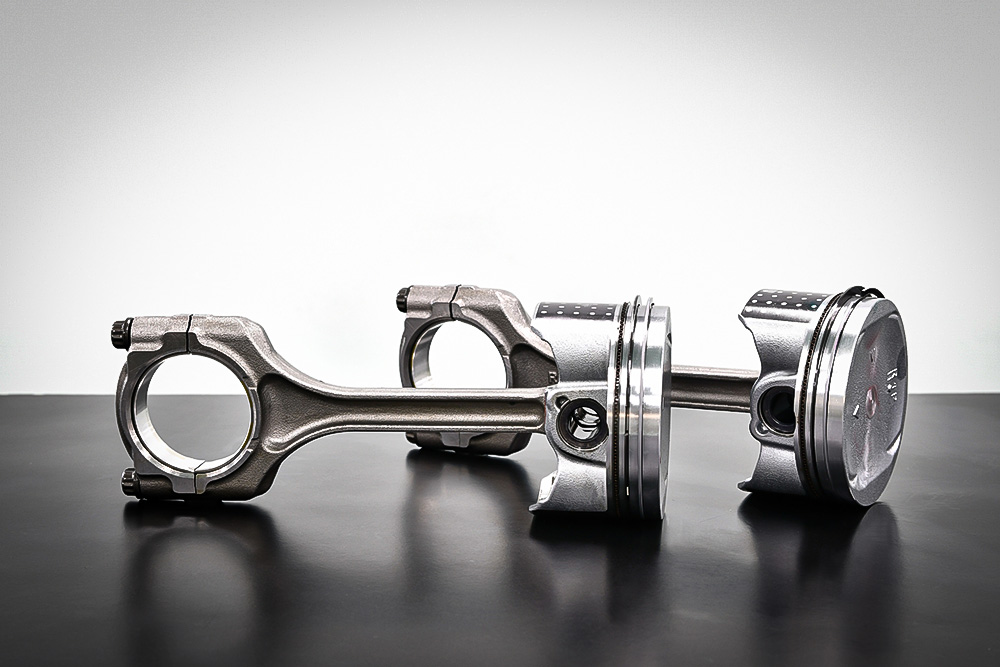
Automotive piston. Photo: istock.com/dreamnikon.
Below the ring lands, pistons are barrel-shaped; they taper down at the top. Bottoms (skirt ends) may taper or may not, depending on the design, but they taper at the top because most of the piston’s mass is up there, and again, the piston doesn’t expand evenly due to this uneven placement of material.
The wrist pin bosses are where increased mass necessitates the reduction in diameter, and then the taper really gets noticeable at the ring lands and above them. There’s a second, more aggressive taper that begins right around there.
Again—you guessed it—this is due to the heat. The top of the piston is literally the floor of the combustion chamber, so it’s exposed to the most heat. Due to the mass caused by the wristpin bosses (sometimes a steel item cast into aluminum) and skirt reinforcements (thicker sections cast into the piston to help lend strength to the skirts), that’s where the heat hangs out. And of course, the ring pack adds more mass yet, hence the second, more aggressive reduction in diameter above the oil control rings.
The taper continues above the lands, though the ovality discussed previously usually does not.
Tapering and ovalizing pistons means they seem to measure incorrectly when cold. But this deliberate shaping permits the whole assembly to be approximately round when in service and zipping around at thousands of revolutions per minute, inch by inch, stopping and reversing direction over and over. So, if you’re measuring a new set of pistons, don’t think twice if they’re not “round”—they’re not supposed to be.
The articles and other content contained on this site may contain links to third party websites. By clicking them, you consent to Dorman’s Website Use Agreement.
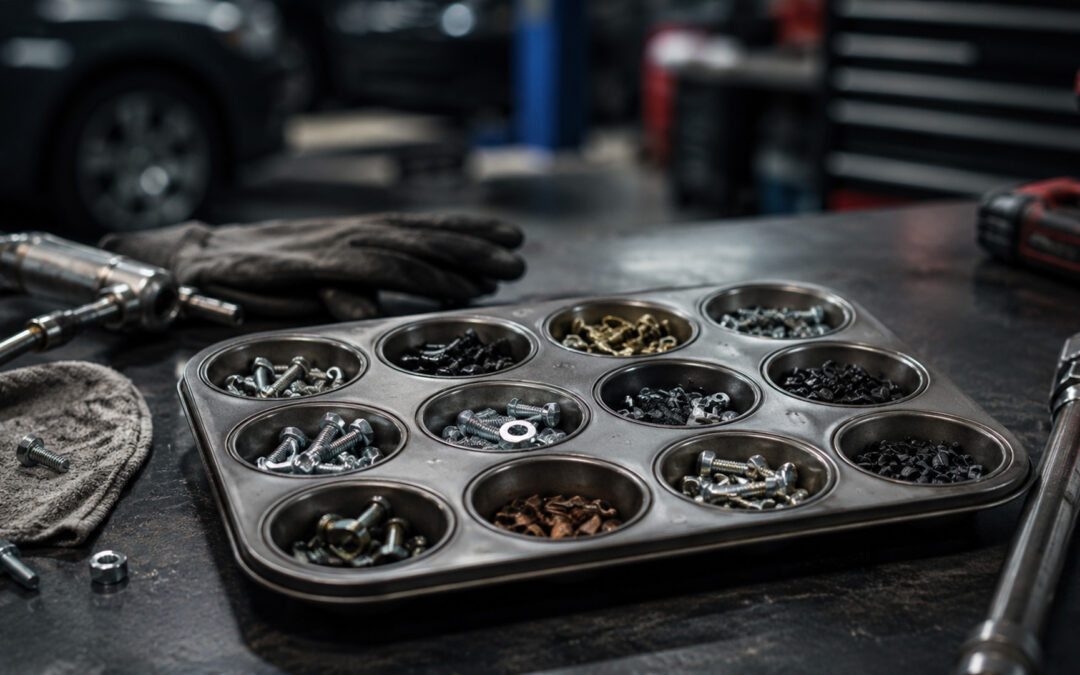
Keeping track of small parts during a job can be tricky, but there’s a cheap and effective way to solve that problem.
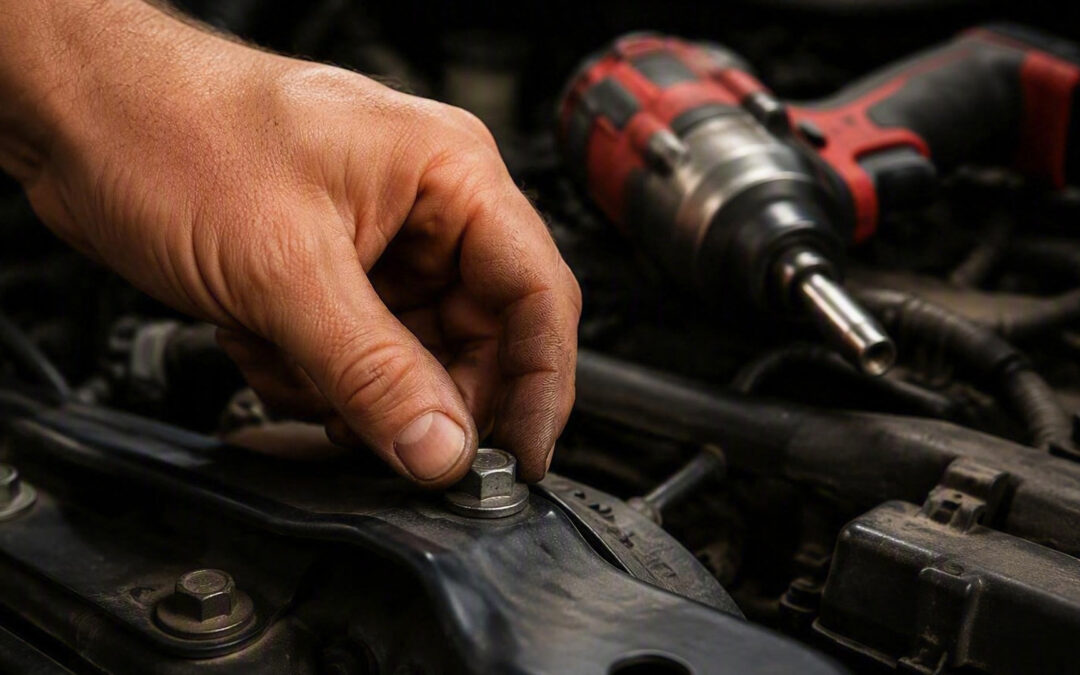
Cross-threading or stripping a fastener can bring progress to a halt in an instant. Start by hand-threading fasteners.

Every car you touch is full of it, but it’s not in any service manual. Here’s the working tech’s guide to plasticizers: why plastic goes soft, sticky, chalky, and cracked, what actually happens when you hit trim with a torch, and why your customer’s dash keeps fogging the windshield.

Ever get up to your elbows in a diagnostic problem, only to wind up right where you started an hour later?
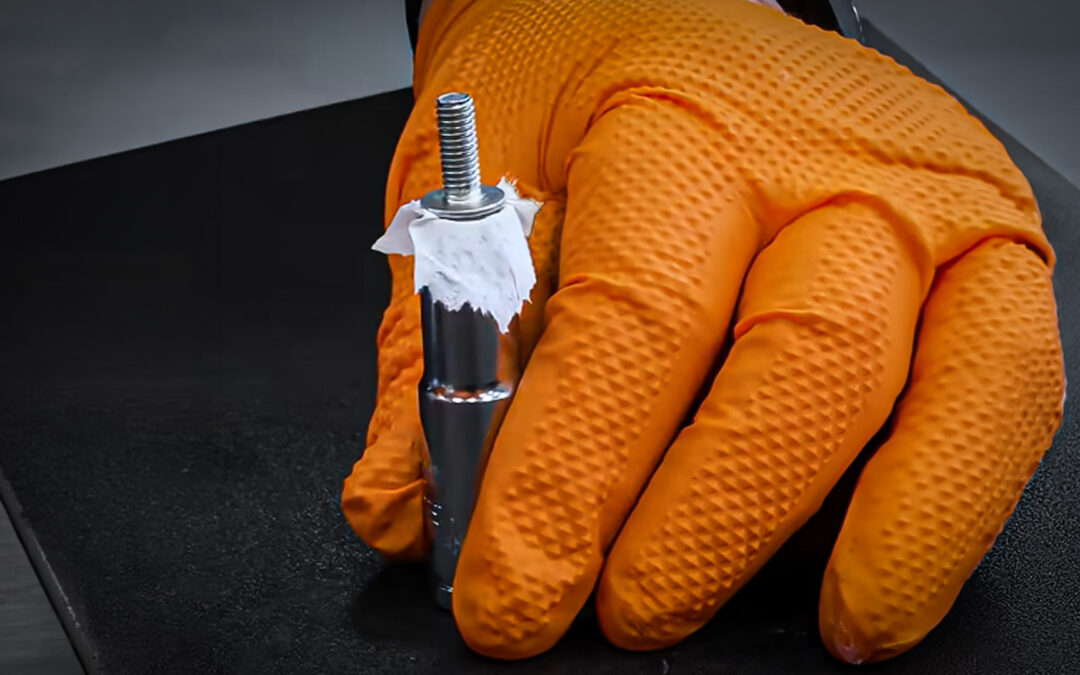
Having trouble hanging onto a nut or bolt with a socket?
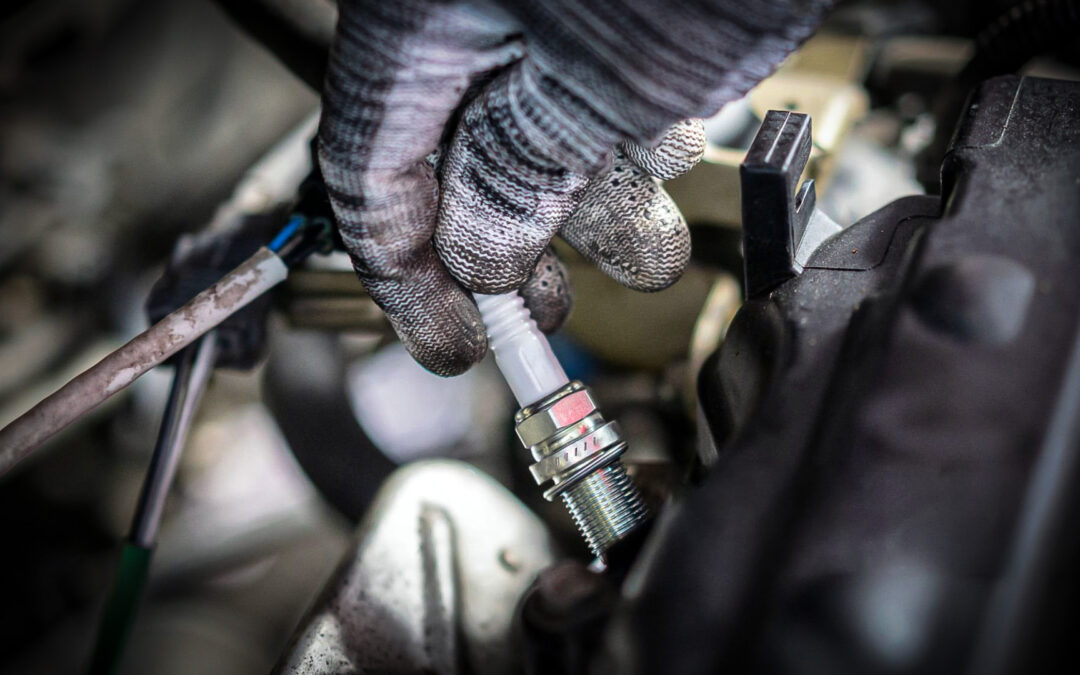
Are you making any of these three common mistakes?
Participation in this forum is subject to Dorman’s Website Terms & Conditions. Please read our Comment Policy before commenting.