Customers don’t realize it needs attention. Sadly, many mechanics don’t, either.
The Most Neglected Part of the Cooling System
read more



Customers don’t realize it needs attention. Sadly, many mechanics don’t, either.
Of course, the most obvious difference is that the United States uses the US customary unit system of measurement, while most of the rest of the world uses the metric system. That means, for example, that American mechanics are mostly used to tightening to a torque specification expressed in foot-pounds or foot-inches, rather than newton-meters.
The British imperial gallon and the US customary gallon are not the same: the British Imperial gallon is 4.54 L (160 fl oz), while the US Customary gallon is 3.78 L (128 fl oz). Similarly, the two countries’ measurements of fluid ounces, pints, and quarts are different. Both the US customary system and the British imperial system were derived from English units. However, the US, as a country made up of colonists from the UK but also many different countries (Holland, France, Spain, etc.), had to develop its own system that everyone could understand. Furthermore, fluids in the UK are typically measured in liters rather than gallons. Side note: If you get a pint in a pub the UK it’s larger (20 fluid ounces) than one in a US bar (16 fluid ounces).
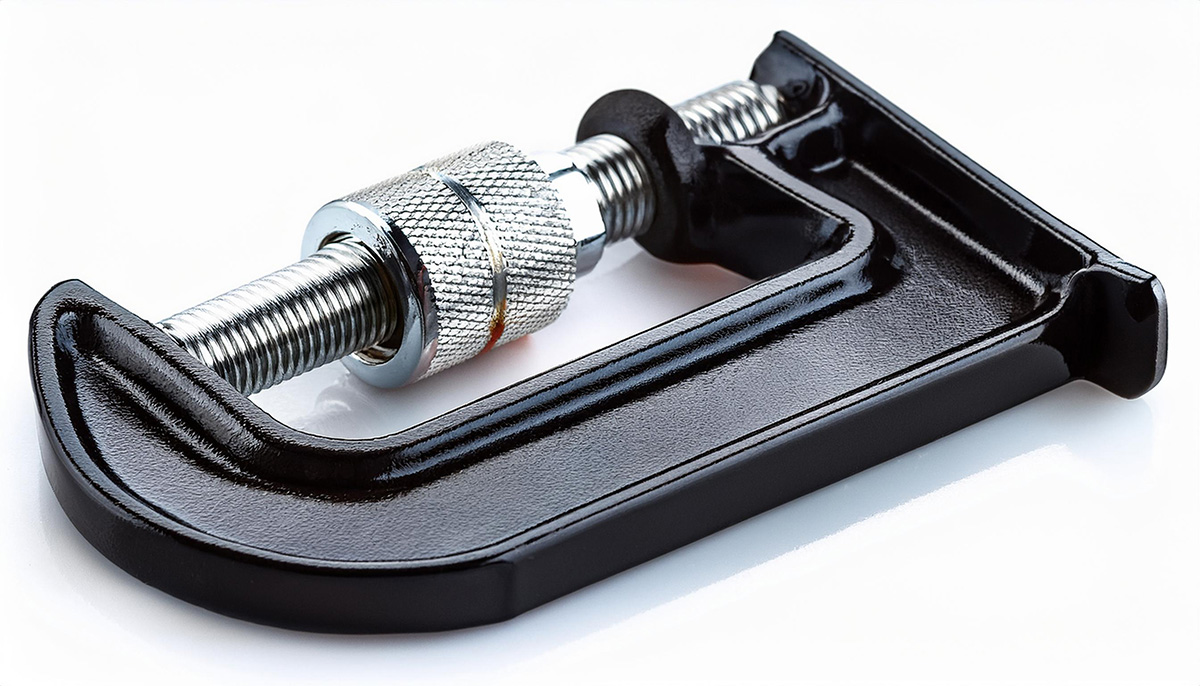
Is this a C-clamp or a G-clamp?
Mechanics (or nearly anyone who has done DIY work around the house) are familiar with the C-clamp. However, in the UK it’s known as a G-clamp. I guess I can see this; if you only include the frame it looks like a C, but if you consider the frame and screw, it does look like a G. I’m too used to calling it a C-clamp to change now, though.
These are words that (like color and colour) the British spell differently than we do. (Some would say they’re right since they did invent the language, but that’s an argument for another piece.) What’s more, aluminium is not just spelled differently, but pronounced differently, too as the British add a syllable. (The reason for this difference is rather complicated.) Regardless, aluminum and aluminium or tire and tyre are the same things, regardless of how you spell them.

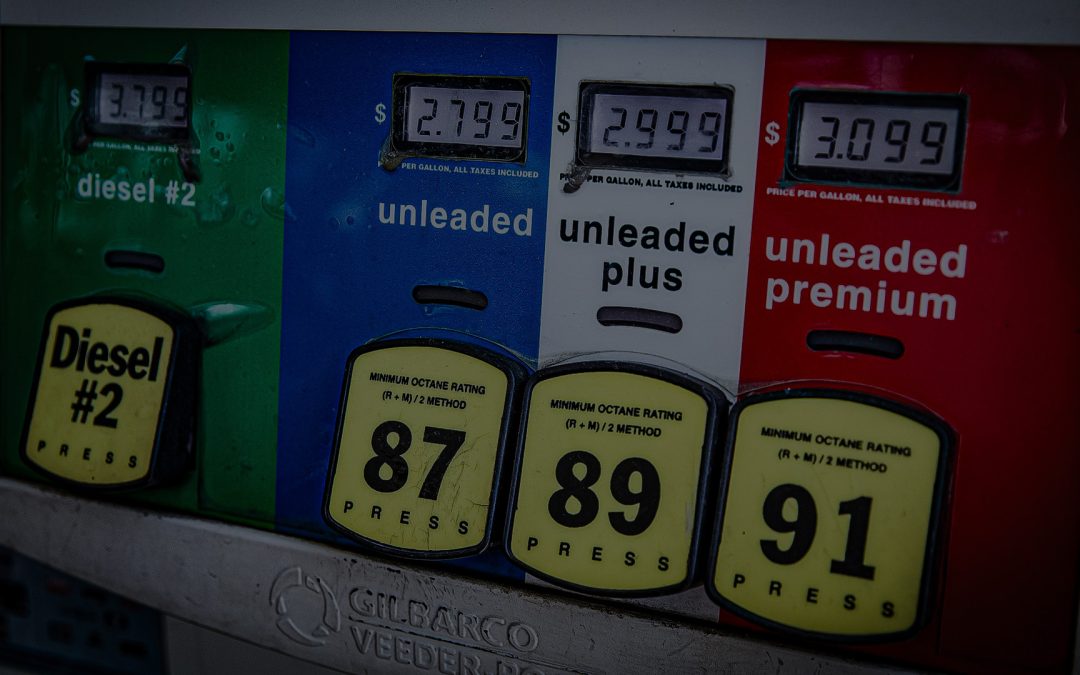
Is this a gas station or a petrol station?
As you may know, there are sets of words (like elevator versus lift or apartment versus flat) where the British use a different term than we do. That same phenomenon applies to automotive terms, as well: gas versus petrol, truck versus lorry, hood versus bonnet, trunk versus boot, and wrench versus spanner are just some examples of this. And this even applies to motorcycle terms. We say swingarm, but the British say swingin’ arm. We also lift motorcycles up by spools, but the Brits call them bobbins.
And now Australia gets in on the fun! Yes, an impact gun in Australia is called a dak dak. It seems their term is an onomatopoeia for the sound the gun makes, which makes sense. Also, it’s fun to say!
So what other mechanic terms differ in other English-speaking countries? What did we miss? Tell us in the comments!
The articles and other content contained on this site may contain links to third party websites. By clicking them, you consent to Dorman’s Website Use Agreement.
Spoiler alert: yes!

Pocket check!

Car thieves are getting smart. You need to be smarter.

Salt isn’t so good, but for many vehicles, a little pepper goes a long way.

You probably see them every day, and that’s by design.

An attempt at improving driver safety might not have worked as intended, but it sure gave a distinctive look.
Participation in this forum is subject to Dorman’s Website Terms & Conditions. Please read our Comment Policy before commenting.