Customers don’t realize it needs attention. Sadly, many mechanics don’t, either.

The Most Neglected Part of the Cooling System
read more



Customers don’t realize it needs attention. Sadly, many mechanics don’t, either.
If you’ve read my work here on Shop Press, you know I’m a sucker for chrome and mid-century automotive design. This week, I’d like to take a look at one of my favorite examples of that era: “Dagmar bumpers,” the colorfully common slang used to describe the chrome-over-steel, conical bumper guards featured on some cars in post-WWII America. Sometimes called “bullet bumpers” or that term in reverse, Dagmars reached their…um…peak in the mid-50s.

The distinctive nickname for these automotive features comes from a buxom early-1950s television personality named Dagmar (born Virginia Ruth Egnor). Her popular on-screen persona was known for her low-cut gowns and a figure that was often accentuated by the conical design of the popular “bullet bra.” The similarity between the actress’s prominent physique and the pointed protrusions on the car bumpers was inescapable to the public, and the name “Dagmar” was quickly applied to the car parts as a humorous tribute. Reportedly, the actress herself was amused by the moniker.
The shape of these bumper guards, as originally conceived by General Motors Vice President of Design, Harley Earl, was intended to mimic the look of artillery shells (which is an odd inspiration for a safety device). Placed inboard of the headlights, particularly on early Cadillacs, they were meant to convey the image of a speeding projectile and also to offer a measure of protection for the vehicle’s front end.
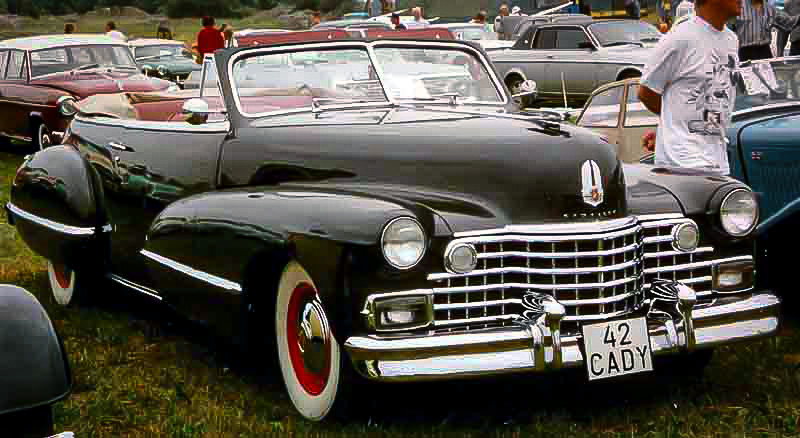
Postwar Cadillacs began sporting bullet-shaped bumper guards as early as the 1946 model year, with some models in 1951 raising them into the grille assembly. As the 1950s progressed and the use of chrome in American car design grew more flamboyant, the Dagmars grew more pronounced and larger in size. A later design variation appeared on the 1957 Cadillac Eldorado Brougham and other models, where the conical tips gained black rubber covers, which were informally nicknamed “pasties.”
While Dagmar bumpers were initially intended to protect the vehicle’s front end from minor collisions, they provided very little real-world protection. Because they were rigid and placed inboard of the headlights, a direct impact on the bumper guards could transfer force directly to the car’s frame, potentially causing more localized and expensive damage than a collision with a more modern, energy-absorbing bumper. The little protection they did offer was during a very low-speed parking collision, where the protruding steel could prevent the main body of the bumper from contacting another vehicle. However, their size and rigid construction were not engineered to absorb crash energy effectively.
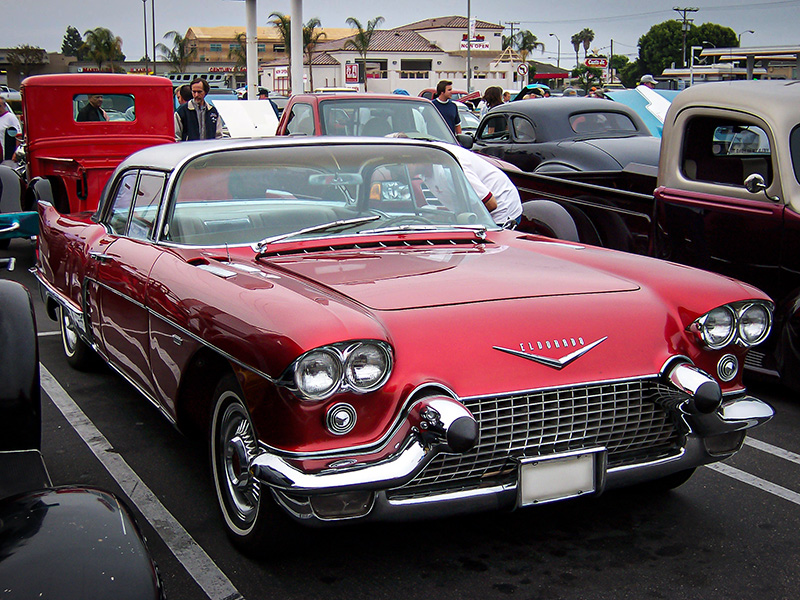
1957 Cadillac Eldorado Brougham. Photo: Morven, Public domain, via Wikimedia Commons.
Dagmar bumpers were most notably linked to Cadillac, but they also showed up on several other American brands:
Possibly the only car part named after an actress, the Dagmar bumper serves as a striking, iconic, and often comical representation of the excess, exuberance, and distinctive appearance of the American automobile design philosophy of the mid-20th century.
The articles and other content contained on this site may contain links to third party websites. By clicking them, you consent to Dorman’s Website Use Agreement.

Spoiler alert: yes!

Pocket check!

Car thieves are getting smart. You need to be smarter.

Salt isn’t so good, but for many vehicles, a little pepper goes a long way.

You probably see them every day, and that’s by design.
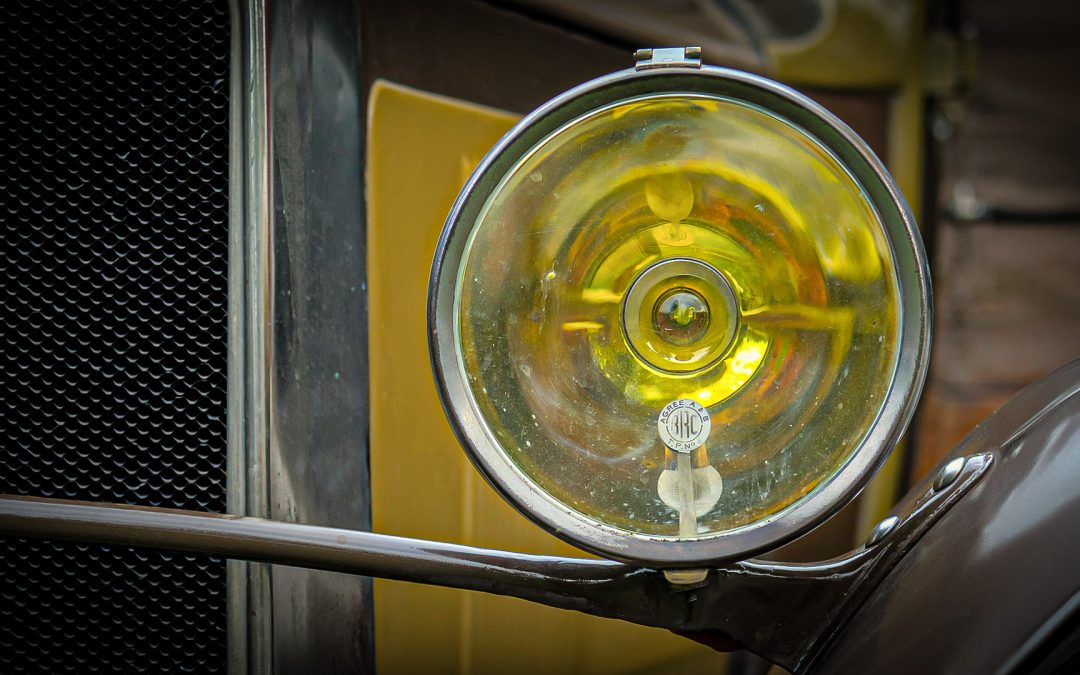
An attempt at improving driver safety might not have worked as intended, but it sure gave a distinctive look.
Participation in this forum is subject to Dorman’s Website Terms & Conditions. Please read our Comment Policy before commenting.