Shop Press

Shop Press is the news and idea hub for everything related to working on cars and trucks, focusing on repair, technology, and wrenching lifestyle.

From the creative minds at:

FEATURE STORY

Hot Off the Press

Don’t Forget to Season the Automobiles, Mechanics!

I guess after you watch the following video, you won’t need much commentary. I thought this was common knowledge, but as I’ll explain in a moment, I may be wrong.I thought it necessary because a good friend at an independent repair facility recently bemoaned the fact...

Coolant Service – ASE Practice Question (VIDEO)

Description Technician A and Technician B are discussing proper cooling system maintenance. Technician A says that time and mileage should be considered but are not the only factors to consider when recommending a cooling system service to a customer. Technician B...

What are Frits? (And Why Does Almost Every Car Have Them?)

It’s a pretty safe bet that most younger techs haven’t heard of frits before. Not one single customer, ever, has come into your shop looking for some help with a frit problem. So while this article won’t help you turn bays faster or improve your diagnostic skills,...

Cat DTC Diagnosis (P0420) – ASE Practice Question (VIDEO)

Description Technician A and Technician B are discussing the troubleshooting procedure for a P0420 (Catalyst Efficiency Below Threshold) DTC. Technician A says that the presence of any other codes should be considered first before replacing the converter. Technician B...

What Shape Is a Piston?

At this late date, if you work in a standard automotive facility servicing late-model vehicles, it’s probably infrequently you even see—let alone think about—pistons. However, if you are in a rebuild shop, a race environment, or the antique space, seeing a set of...

Cabin Filters – ASE Practice Question (VIDEO)

Description Technician A says that cabin air filters protect the occupants from over 200 known contaminants found in a typical car’s passenger compartment. Technician B says that the cabin air filter protects the evaporator core from copper particles emitted by the...

Should You Replace That Damaged Plastic Intake Manifold?

It seems like plastic is everywhere under the hood of a modern car. You even have to remove a plastic cover to find the engine! But plastic and composite parts like distributor caps and ignition coil housings have been in use for over 100 years. In the 1970s,...

Service Managers: Buy Brake Fluid by the Pint

by | Jun 11, 2026

If you’re in charge of ordering the supplies for your shop, volume discounts are great when they come along. Sniff them out where you can. But brake fluid is different! Buy it in bulk, but buy it in the smallest containers you can get away with. The reason? Brake fluid is hygroscopic. And the boiling point matters more than ever.
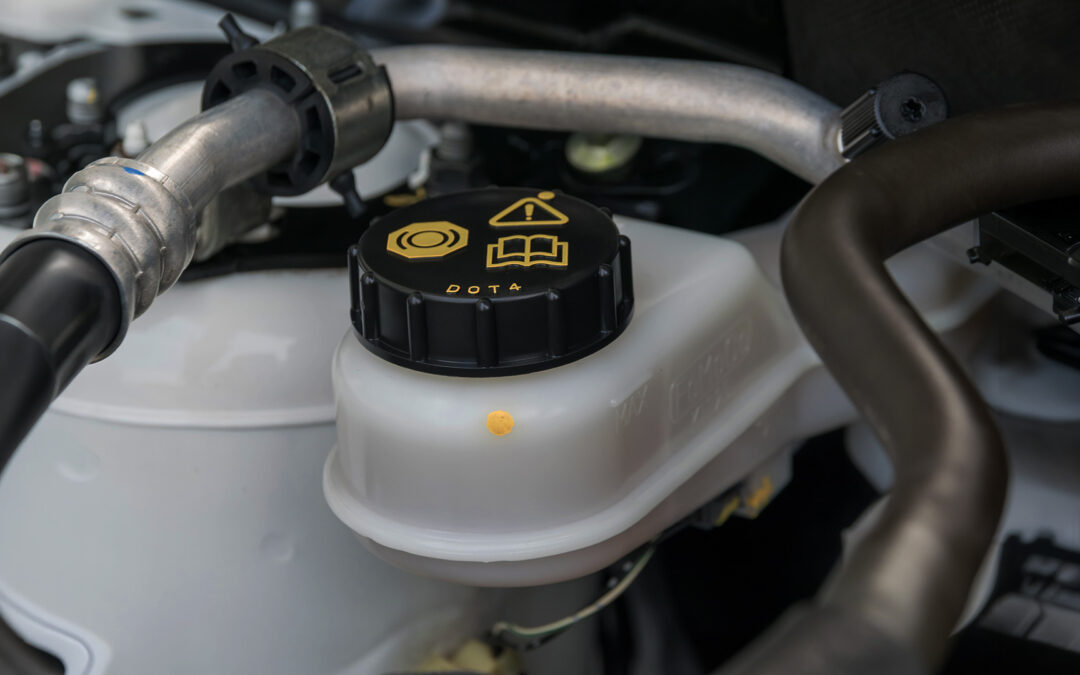
To wit: if you read most any master cylinder cap, you’ll be instructed to use brake fluid from a sealed container. That’s to ensure that the fluid doesn’t suck moisture out of the ambient air. (That’s what “hygroscopic” means.) When brake fluid becomes waterlogged, the boiling point of the fluid is lowered, and the water can actually boil off. Fluid, as we learned from Pascal, is incompressible, but that’s not true of a gas (like steam). If the water turns gaseous, the pedal can travel without compressing the fluid and then moving the pads or shoes, which is obviously not good.

Couple this with the rise of vehicles using DOT 4 brake juice. This differs from the more common DOT 3 only in terms of having a higher boiling point. Why? Brakes are being asked to do more work that generates more heat, and the hydraulic fluid needs to work harder as well. That fact, coupled with ever-more-intricate ABS systems with faster processors and controllers, means it’s more important than ever to keep water out of the system.

Buying small, sealed containers can help you do this. Sure, if you’re finally plumbing up that old project car, buy a quart or even a gallon for the bench bleed on the master and gravity bleed of the lines and hoses that will follow. But you’ll want to toss it not long after, and for most regular fluid swaps done in tandem with a brake job, a pint or two will do you just fine.

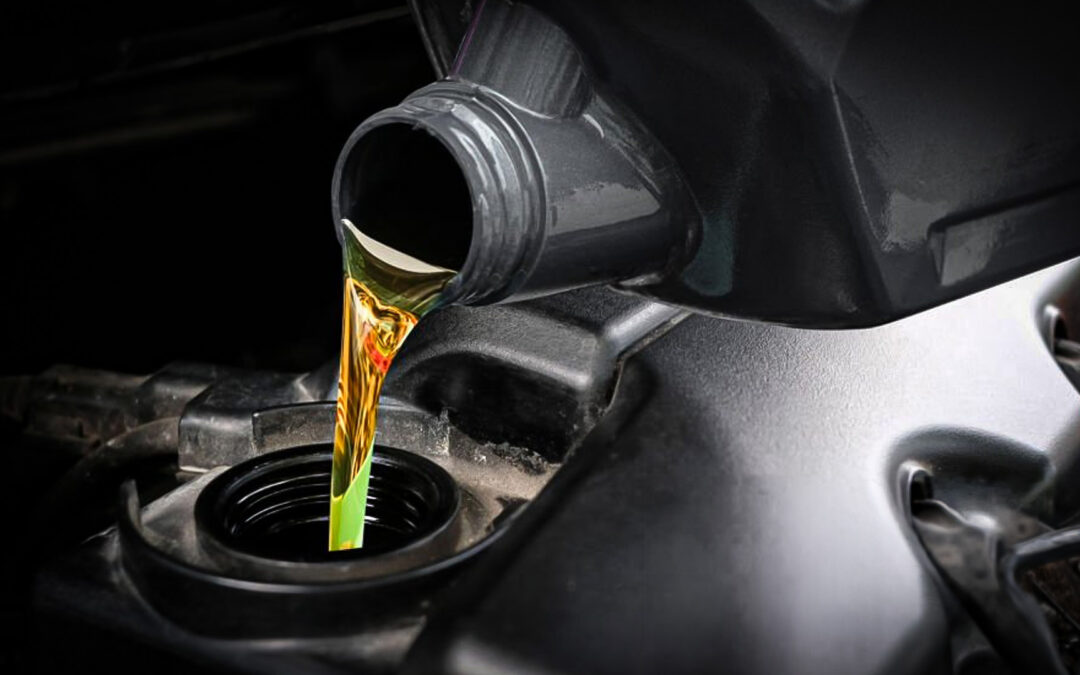
The scant savings from buying in bulk might not be all that prudent. So get your oil in a drum—but brake fluid should be in airline bottles only.

The articles and other content contained on this site may contain links to third party websites. By clicking them, you consent to Dorman’s Website Use Agreement.
Related Articles

Shop Press Comment Policy

Participation in this forum is subject to Dorman’s Website Terms & Conditions. Please read our Comment Policy before commenting.

Subscribe
Notify of
guest
0 Comments
Newest
Oldest Most Voted
Inline feedback
View all comments