Maybe there’s a reason “upsell” has become a dirty word—and it might be your fault.

Service Writing Tip: Justify Your Recommendations
read more


Maybe there’s a reason “upsell” has become a dirty word—and it might be your fault.
This one’s for anyone who interacts with customers directly: service writers, small shop owners, and even techs who do some moonlighting or side work. Be careful when using text abbreviations, slang, or emojis with your customer, and that goes double when a customer uses them to approve or deny work. Here’s why.
Some customers love to communicate with emojis or text abbreviations, and a few might use them almost exclusively. Typically, that’s no problem, but can a “thumbs up” emoji or a simple “k” text be an enforceable contract in the eyes of the law? The answer will vary depending on where you work, but regardless, it’s up to you to understand how contract law applies to work sold to your customers before you encounter a confusing situation.
Nobody wants any surprises on either side of the transaction, right? That’s why every shop should have some guideline(s) for how work is sold to a customer, and those guidelines should be shaped with the help of a legal pro if you don’t have a firm grasp of contract law. For your shop, what is an acceptable and actionable customer response to a quote for parts, supplies, and labor? Would you start a brake job after receiving a text back that simply says “k”? How about an engine swap? At what point (be that cost, labor hours, or a combination of both) would your shop require a crystal clear customer response or even verbal confirmation to authorize work?
So if you’ve got customers who communicate with your business like they’re texting their friends, don’t hesitate to protect yourself, and your shop’s reputation, by confirming any transaction that isn’t 100% clear to you. Get a definite answer before doing anything with their vehicle.
The articles and other content contained on this site may contain links to third party websites. By clicking them, you consent to Dorman’s Website Use Agreement.
Maybe there’s a reason “upsell” has become a dirty word—and it might be your fault.

Do you favor margin or revenue?
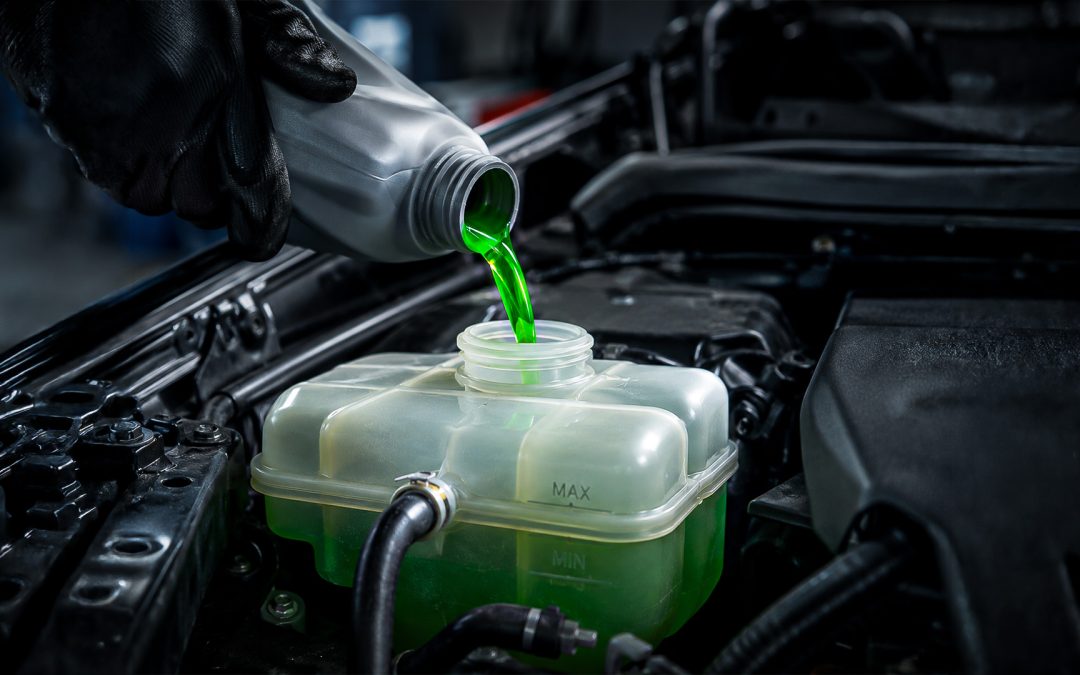
Customers don’t realize it needs attention. Sadly, many mechanics don’t, either.
If you have to have them in the shop, endeavor to make politics polite.
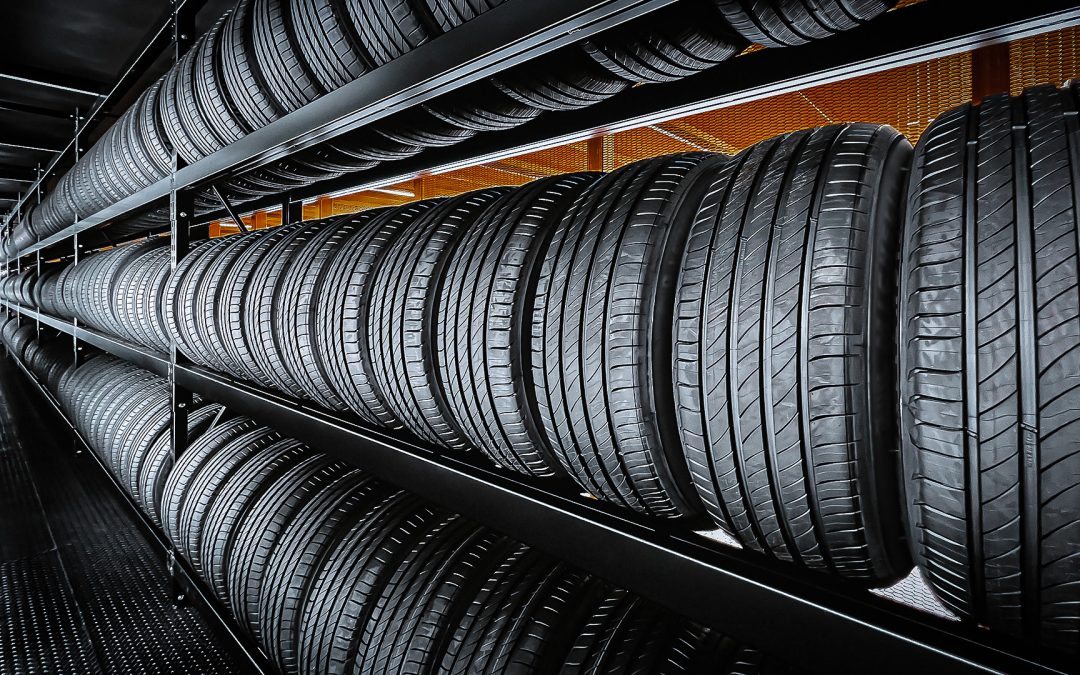
Real estate is an investment—make yours start earnin’.

Don’t try to (needlessly) upsell me.
Participation in this forum is subject to Dorman’s Website Terms & Conditions. Please read our Comment Policy before commenting.