Maybe there’s a reason “upsell” has become a dirty word—and it might be your fault.

Service Writing Tip: Justify Your Recommendations
read more


Maybe there’s a reason “upsell” has become a dirty word—and it might be your fault.
Take a step back for a moment and look at how far this industry has come.
Modern technicians routinely diagnose and repair vehicles that are more advanced than anything the industry has seen before. Today’s repair pros navigate electrical systems, software, networking, ADAS technologies, driveability concerns, hydraulics, and traditional mechanical repairs, often all in the same day! The knowledge required to perform this job successfully has grown tremendously, and so has the value technicians bring to their customers.
That doesn’t mean the work is easy. Vehicles continue to become more complex. Training is a constant necessity. Tool and equipment costs remain significant investments. Shop owners often struggle to find qualified help, while technicians work hard to keep pace with rapidly evolving technology. And if you’re old enough to remember life before cell phones, there’s a good chance your body reminds you every day how physically demanding this profession can be.
Perhaps predictably, mechanics are exiting the industry, and not all those positions are being filled. You may have reached the same conclusion: this job simply isn’t what it used to be.
Those realities are familiar to just about everyone in the business. But there’s another side of the story that’s worth talking about.
Attracting and developing the next generation of technicians should be a major topic of conversation at any shop today. Many experienced professionals are approaching retirement, while shops across the country continue searching for qualified talent. For an industry built on expertise and experience, passing knowledge from one generation to the next has never been more important. This, as you might have already learned through your own experience, is an area where every technician can make a meaningful difference.
Think back to the people who helped you early in your career. Most technicians can remember a mentor or two who took the time to explain a diagnostic process, teach a repair technique, or simply power through an especially tough job. Those interactions help build rookies and C-techs into the new class of experts needed industry-wide.
And even if more young people enter the trade, they’ll be stepping into a profession that grows more complex every year. The learning curve is steeper than ever. The tools are more expensive. The technology changes constantly. And replacing the experience accumulated by retiring technicians is not something that happens overnight.
If your shop has a succession plan in place, good for you. If not, now may be the time to start thinking seriously about one. Losing experienced technicians without developing replacements is a problem that compounds over time, and it’s much easier to address before it becomes a crisis.
As always, it might be worth lengthening your fuse and helping your C-techs build their diagnostic and mechanical muscles. If you’re an industry veteran, you won’t be around the shop forever, and once you’re gone, all they’ll have left is whatever you managed to leave them between their ears.
So whether it’s answering questions from a newer technician, involving apprentices in diagnostic work, or explaining not just what you’re doing but why you’re doing it, small investments of time can have a lasting impact.
Shops can help as well by creating clear career paths, investing in training, and fostering an environment where learning is encouraged, not rushed. Young technicians entering the field today have access to educational resources, diagnostic tools, and technical information that previous generations could only dream about. Combined with guidance from experienced wrenches, those resources can accelerate development and help build stronger teams.
Access to information and tools will continue to be a critical part of developing the next generation of technicians. That’s one reason many repair professionals consider Right to Repair initiatives to be vital to the future of the industry. As vehicles become increasingly connected and software-driven, maintaining access to diagnostic data, service information, and repair functions helps ensure technicians can continue to diagnose and repair the vehicles their customers depend on. In the long run, preserving those opportunities benefits the entire profession by allowing shops to perform more repairs, creating more work for skilled technicians, and supporting stronger earning potential across the industry.
Every generation of technicians has faced change. The professionals who successfully navigated carburetors, fuel injection, OBD-II systems, hybrids, and advanced electronics adapted, learned, and ultimately helped move the industry forward. Today’s technicians are doing the same.
So be patient with that C-tech. Take a few extra minutes to explain a diagnostic approach. Share what you’ve learned through years of experience. Someday, the industry will rely on that technician the same way it relies on you today.
The future of automotive repair will certainly look different than its past. Vehicles will continue to become more sophisticated. New technologies (and the diagnostic and repair work to fix them!) will keep on evolving. The question to ask yourself, and your shop, is: “So what are we going to do about it?”
The articles and other content contained on this site may contain links to third party websites. By clicking them, you consent to Dorman’s Website Use Agreement.

As General Motors’ first design chief, Harley Earl transformed the automobile from a machine into a cultural icon.

Aging roads and infrastructure might play a role in planning your shop’s future business.

You may not think it, but automotive lighting has come a long way.

Here are eight cars that paved the way for modern engines.
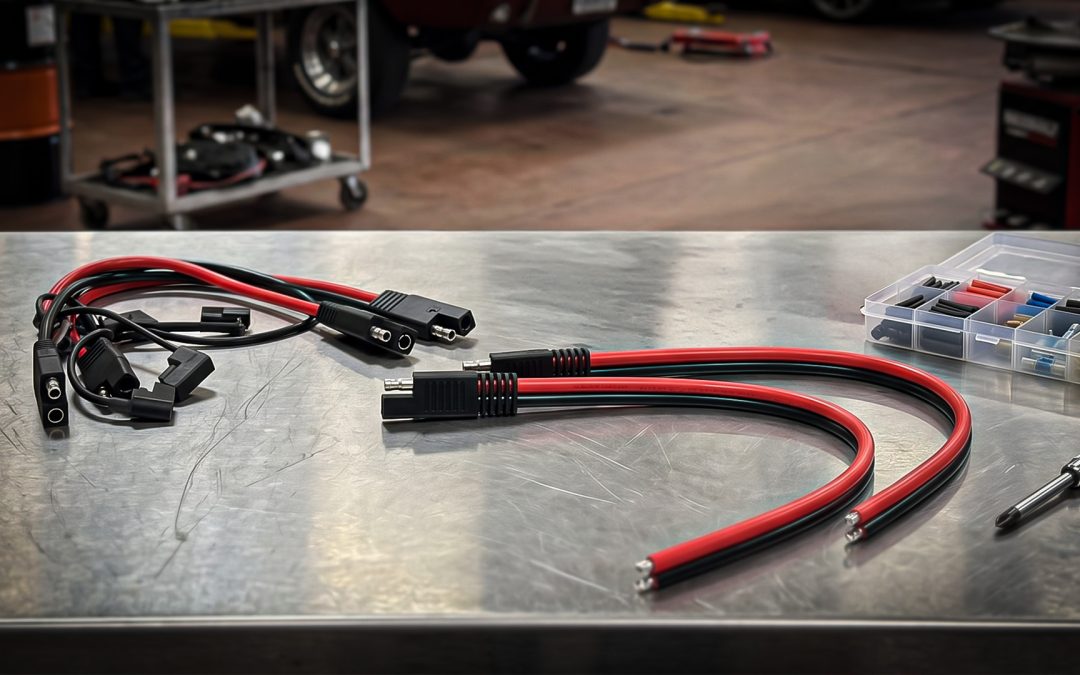
Ostensibly simplistic for casual users, the SAE plug is often an accident waiting to happen.

If it ain’t broke, don’t try to fix it.
Participation in this forum is subject to Dorman’s Website Terms & Conditions. Please read our Comment Policy before commenting.