Maybe there’s a reason “upsell” has become a dirty word—and it might be your fault.

Service Writing Tip: Justify Your Recommendations
read more



Maybe there’s a reason “upsell” has become a dirty word—and it might be your fault.
In a surprise move, Toyota has revived its Scion sub-brand for the United States. No mention of sport coupes or boxy hatchbacks this time, though. Instead, “Scion by Toyota” will be selling kei trucks, manufactured at a plant in Indiana and other Toyota U.S. facilities. What’s the deal, and who will be able to buy these little trucks?
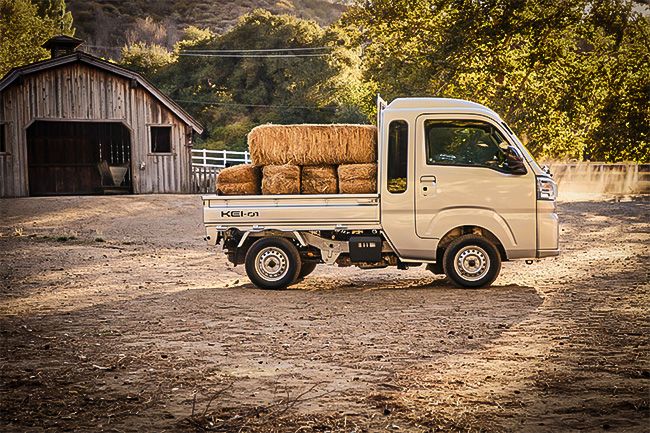
Scion Kei Truck 2027-03. Photo: Toyota Photo.
We haven’t heard a peep out of Scion in the decade since the brand folded up at the end of 2016. The “new” Scion is sticking close to its old positioning in the automotive marketplace: affordable, practical transportation aimed at price-conscious buyers.
This time around, Scion is focused on fleets instead of young drivers. Parent company Toyota sees growing demand for compact, efficient vehicles, and kei trucks might just fill a gap in the market. Until now, the main obstacle for kei-class vehicles has been the hassle of importing them. Manufacturing the micro trucks here in the States bypasses the trouble of importing and getting foreign-market vehicles approved for legal use on public U.S. roads. The new truck production line is “…supported by a $34 million investment that will add approximately 50 new jobs,” says Toyota’s press release.
“Assembly at Toyota Indiana represents the company’s continued commitment to investing in the U.S. and American jobs. The investment will establish new vehicle assembly operations and upgrade production and logistics infrastructure, bringing this unique utility vehicle closer to U.S. customers.”
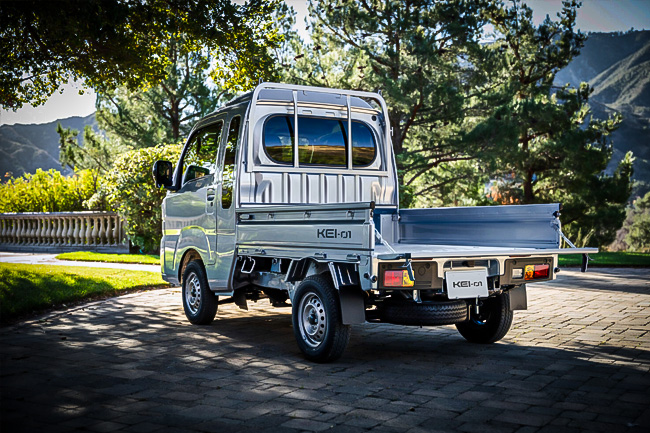
2027 Scion KEI-01. Photo: Toyota Photo.
There’s just one vehicle in the Scion catalog for now. It’s called, fittingly, the KEI-01. Our international readers might recognize it as a rebranded Daihatsu Hijet or Toyota Pixis. Standard trim is a 660 cc three-cylinder engine with a CVT and 4WD. These are famously tough little trucks, but there’s one major drawback for many U.S. customers. The speed will top out at 25mph to comply with federal Low-Speed Vehicle (LSV) requirements. This positions the KEI-01 somewhere between light pickup trucks and utility SxS vehicles like Mules and Gators.
Scion’s betting that fleets will like the low cost, high versatility, and bare minimum running gear to operate legally on the street. City/municipal governments, campuses, parks, work crews, urban delivery services, and farms would all be examples of customers who might want a mighty mini hauler or ten. Given the differences between the kei truck’s mechanicals and the rest of Toyota’s lineup, it might be for the best that initial sales are limited to fleets. North American techs won’t have much experience with this platform unless they’ve already worked as kei specialists.
What about the rest of us? If fleet demand takes off, “Scion by Toyota” has indicated that limited sales to the public might open up. The fleet keis will be sold through select Toyota dealers, which is nearly the same piggyback strategy we saw from Scion last time. Don’t call it a comeback, but interest in small, useful vehicles is running high in the U.S., and Scion could be well-positioned to meet demand from kei enthusiasts. The sub-brand also announced concepts for an electric scooter and an aggressive turbo SxS, so it seems like they’re still exploring their options.
So, what’s your take? Is the KEI-01 too small and slow to be more than a niche oddity? Or is the market ready for inexpensive, barebones transportation, especially in urban areas where parking is tight and speed limits are low?
We’ll find out soon enough. KEI-01 trucks will be available for fleet purchase starting in 2027.
The articles and other content contained on this site may contain links to third party websites. By clicking them, you consent to Dorman’s Website Use Agreement.
NC House Bill 926 introduces long-term protections for racetracks, shaping the future of motorsports and influencing the broader automotive landscape.
EVs and hybrids that time forgot.
It’s not just you. This job ain’t what it used to be.
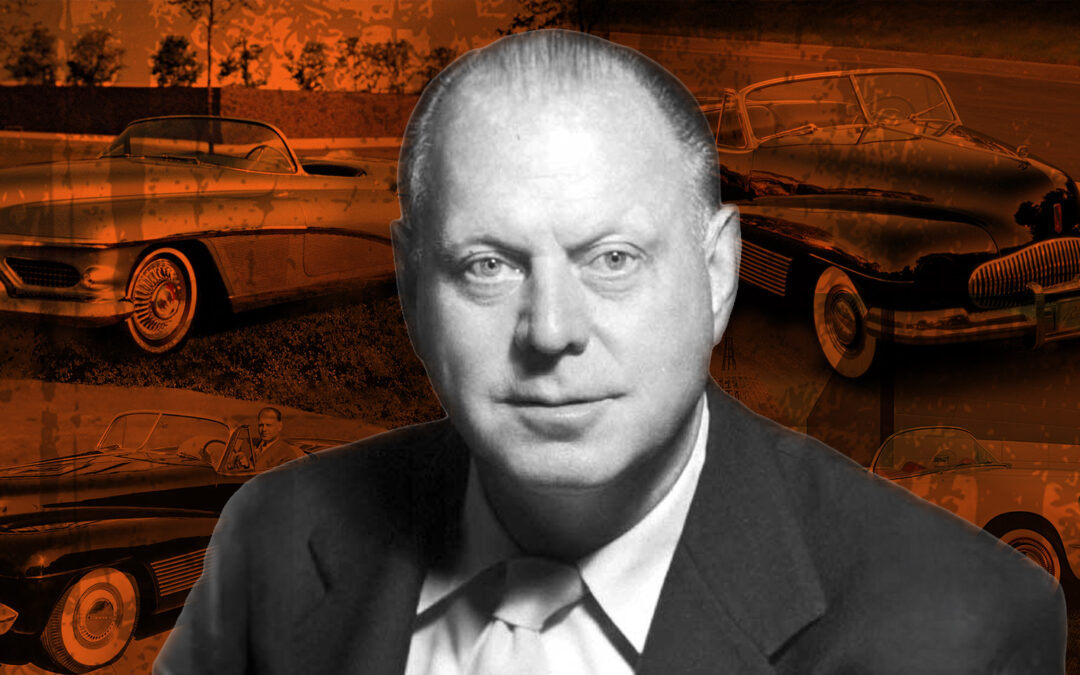
As General Motors’ first design chief, Harley Earl transformed the automobile from a machine into a cultural icon.

Aging roads and infrastructure might play a role in planning your shop’s future business.
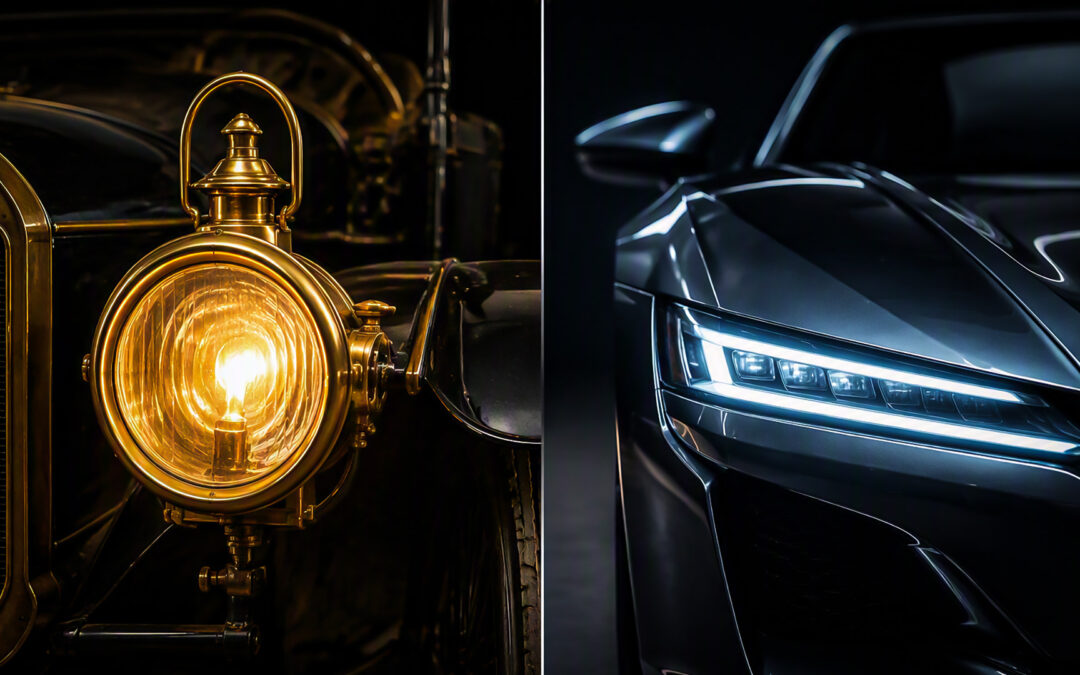
You may not think it, but automotive lighting has come a long way.
Participation in this forum is subject to Dorman’s Website Terms & Conditions. Please read our Comment Policy before commenting.