Maybe there’s a reason “upsell” has become a dirty word—and it might be your fault.

Service Writing Tip: Justify Your Recommendations
read more



Maybe there’s a reason “upsell” has become a dirty word—and it might be your fault.
Technician A has just completed a running compression test using a mechanical compression gauge. Technician B says that the test is used to check the volumetric efficiency of the engine. Technician A says that the higher-than-expected readings indicate a restriction on the exhaust side of the engine.
What is correct?
A) Technicia
B) Technician B
C) Both A and B
D) Neither A nor B
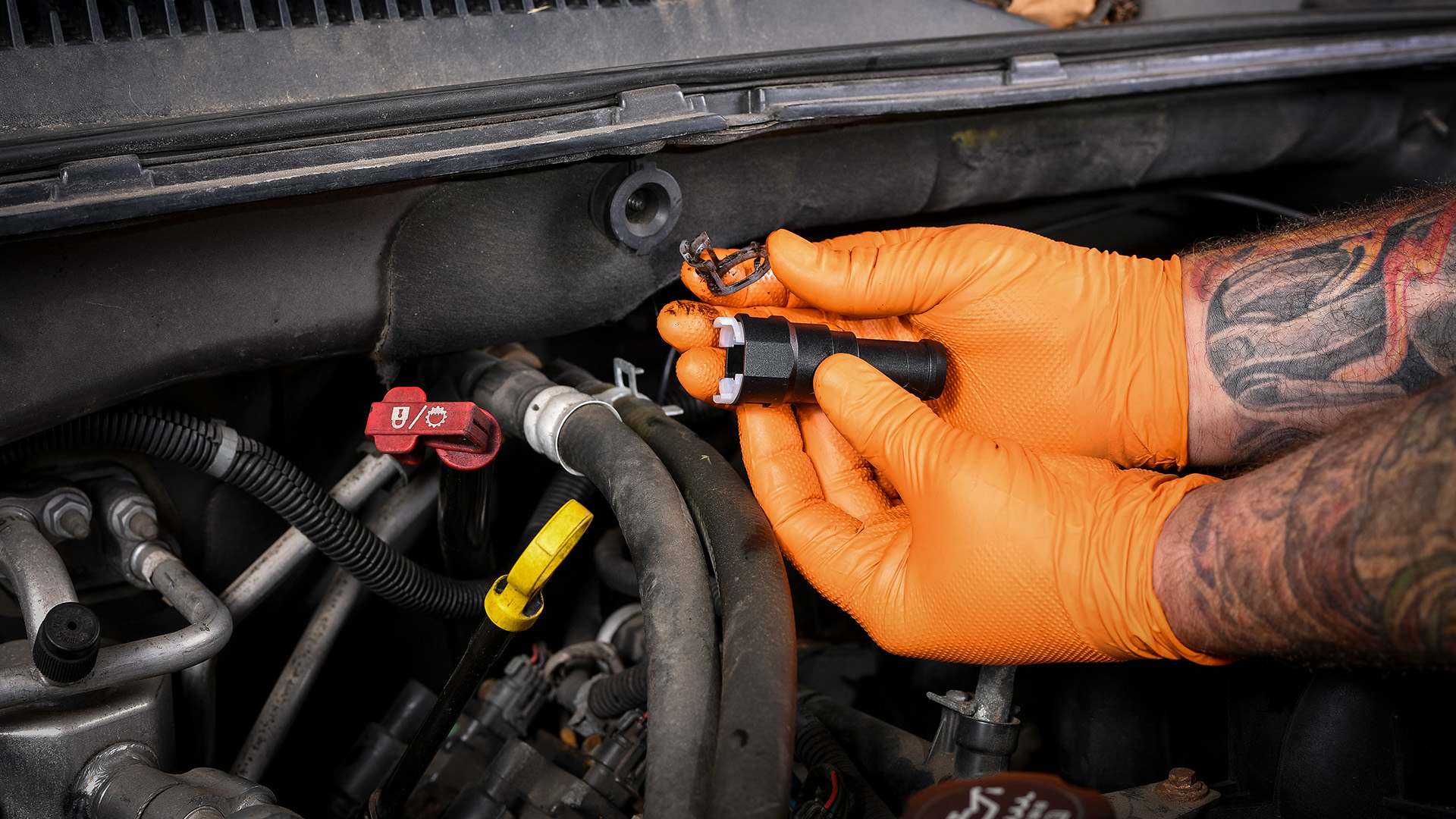
Quick disconnect tools are a must for modern fuel, A/C, or transmission line jobs; no more fighting clips.
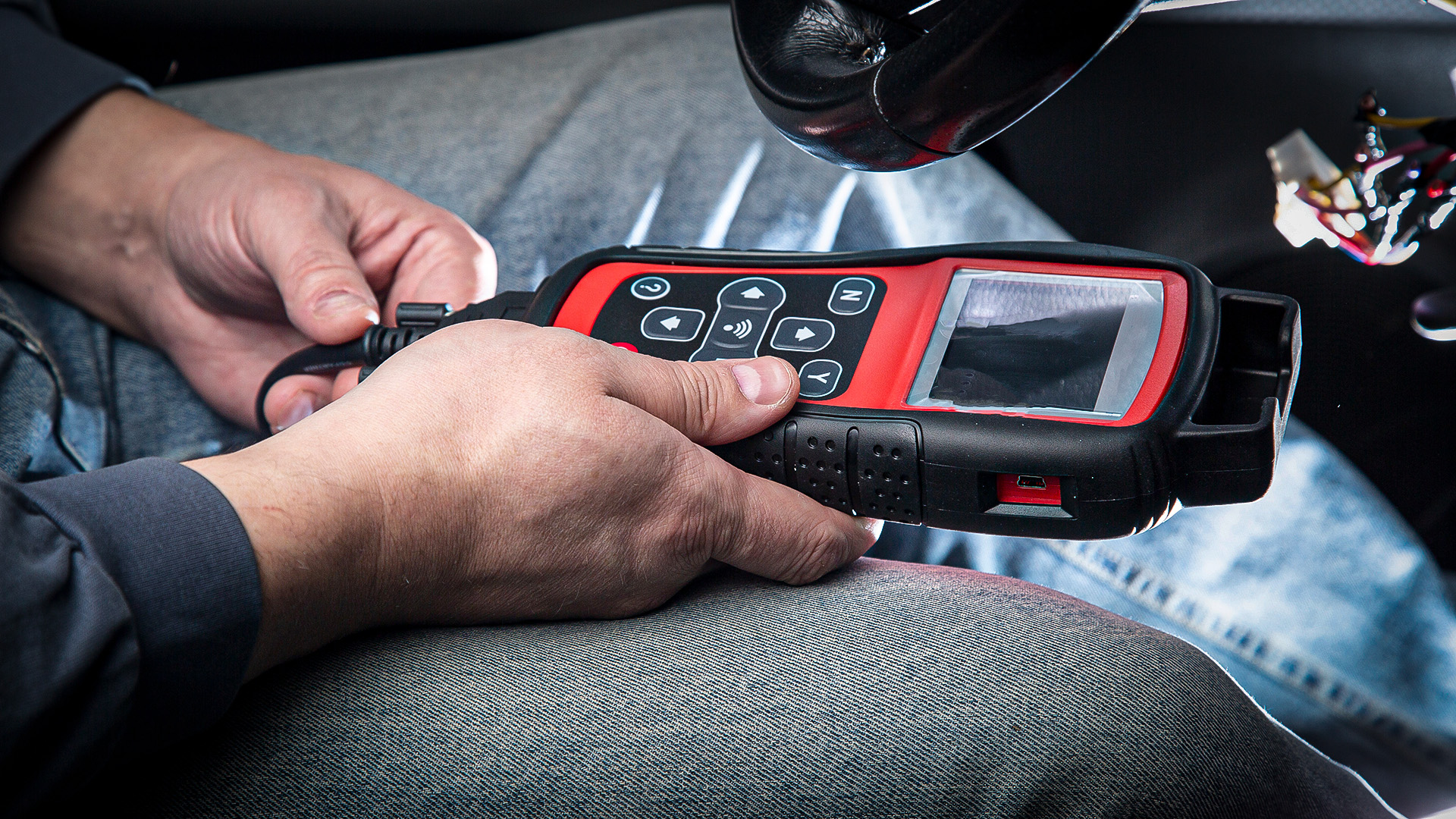
By breaking down the structures used to create DTCs, you can learn how to “decode” beyond the simple descriptions presented by a scanner.
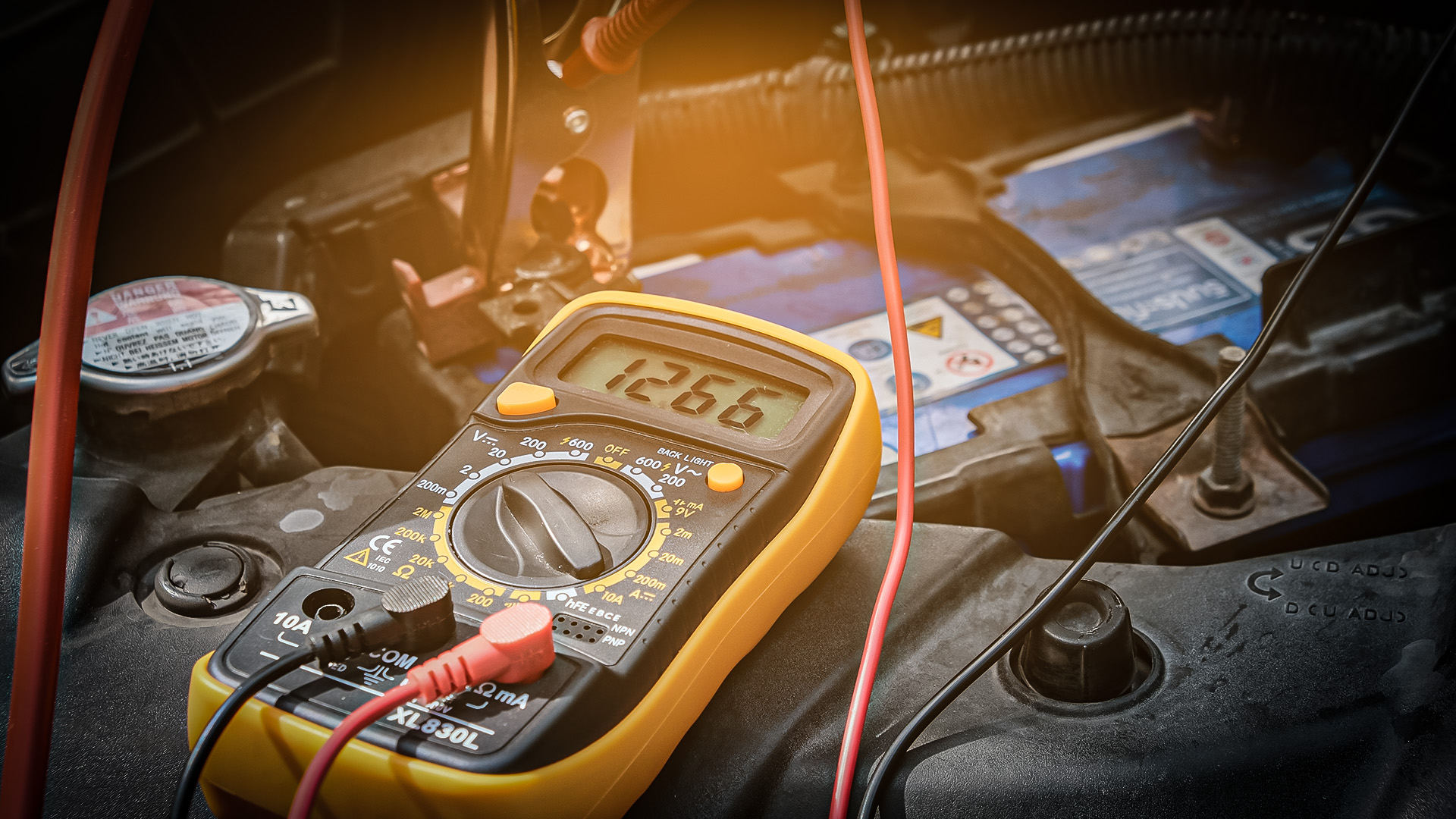
Many high-end scan tools come with a capable digital storage oscilloscope. Time to put that tool to work.

Technician A and Technician B are discussing ways to use fuel trim as a troubleshooting aid. Technician A says that fuel trims that are correcting for a lean condition at high RPM and load conditions indicates a problem in fuel delivery. Technician B says that this condition is caused by a vacuum leak.

Technician A is diagnosing a misfire. He states that a misfire is caused by a fault in the ignition system and that new plugs and coils will repair the problem. Technician B says that a misfire is detected when the ECM detects a variation in crankshaft speed.
The articles and other content contained on this site may contain links to third party websites. By clicking them, you consent to Dorman’s Website Use Agreement.
Participation in this forum is subject to Dorman’s Website Terms & Conditions. Please read our Comment Policy before commenting.