Maybe there’s a reason “upsell” has become a dirty word—and it might be your fault.

Service Writing Tip: Justify Your Recommendations
read more


Maybe there’s a reason “upsell” has become a dirty word—and it might be your fault.
If your shop is a typical one, you wouldn’t turn down easy, profitable work, right?
Of course not. Maybe it’s time your foreman, techs, and service writers sat down and talked through the car that isn’t a car: side-by-side (SxS).
Like other not-immediately-obvious wheeled vehicles that can be a potential source of income for a repair facility, these are vehicles your customers own that require service that your shop can likely repair, even if they’re not top-of-mind for your team.
(Note that while the mechanical fundamentals of these vehicles are straightforward, there is a significant caveat: the “non-standard” nature of the off-road world. Keep in mind that many owners “soup them up” with atypical, performance-enhancing parts installed at home or by a dealer. If your team isn’t familiar with these specific upgrades or how they alter the vehicle’s operation, attempting a fix can be risky. Working on highly modified rigs can limit your ability to provide a lasting repair and, if something goes wrong, may create unexpected liability for your shop.)

Photo: Bill Jones.
If you own a shop in a rural area dominated by oil rig work, farming, or ranching, your customers probably have UTVs. Heck, if you live in that same community, you may own one yourself, or, if you’re a sportsman, maybe you have a side-by-side.
For the purposes of this article, you can think of the side-by-side or its close cousin, the utility vehicle (UTV) as pickup trucks of sorts. The biggest difference between a truck and a side-by-side is because they are either barred from or severely limited in their capacity for on-road use, the focus of the vehicle is on short-hop ability and work prowess moreso than covering the miles that a road-going truck might.
If you’re an aficionado, you may be tempted to lump the all-terrain vehicle (“four-wheeler,” “quad,” or “ATV” in common parlance) in this jumble, but on the vehicle spectrum, quads land a little closer to motorcycles than cars and aren’t really part of this article—but if you become a side-by-side wizard or you already have a motorcyclist in a bay, it’s not a big leap to work on an ATV. They’re also related to the humble golf cart, too. Those tend to be lighter-duty and geared to less-rugged terrain, but the automotive-style seating isn’t a far leap from the UTV and SxS vehicles that are the locus of this article.
The SxS and the UTV are pretty close cousins. Some are very, very work-focused, like Kawasaki’s Mule or John Deere’s Gator. These will have features like tilting dump beds, four-wheel drive and locking differentials, and surprising tow ratings. You’ll usually hear those type of work-focused units referred to as UTVs. The “side-by-side” moniker is often applied to more recreationally focused units, like Can Am’s Maverick R. These are focused on speed and fun. You’ll usually be able to recognize these by large wheelbases and wide tracks, big, powerful engines, and long-travel suspensions.
And some ride the middle, like Kubota’s Sidekick, which is geared towards folks who need to do some work but also have recreational pursuits like hunting in the backcountry or Sunday drives with the family that just happen to forego pavement.

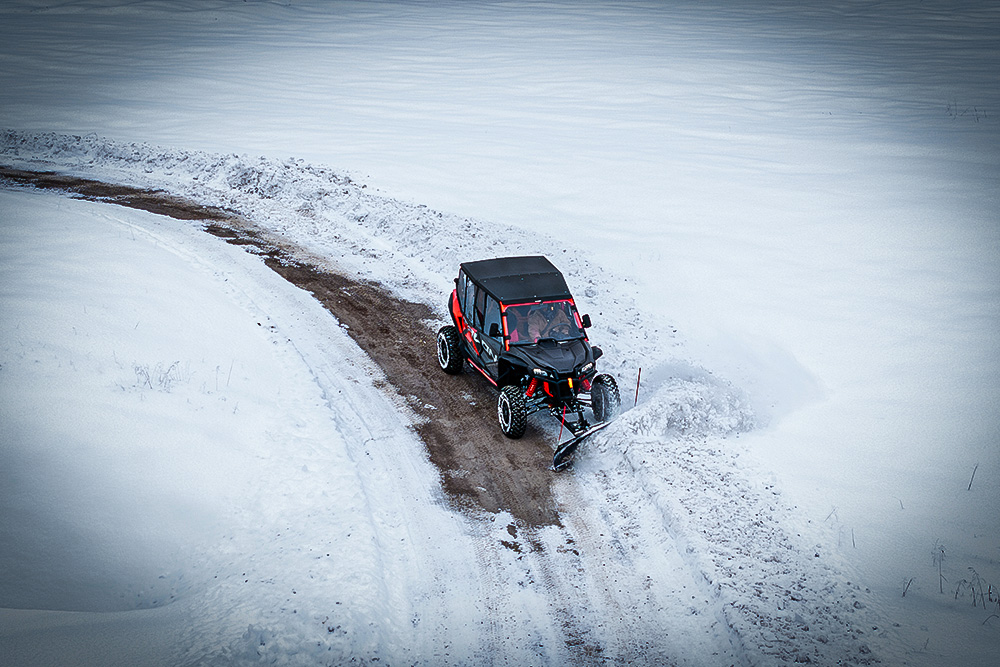

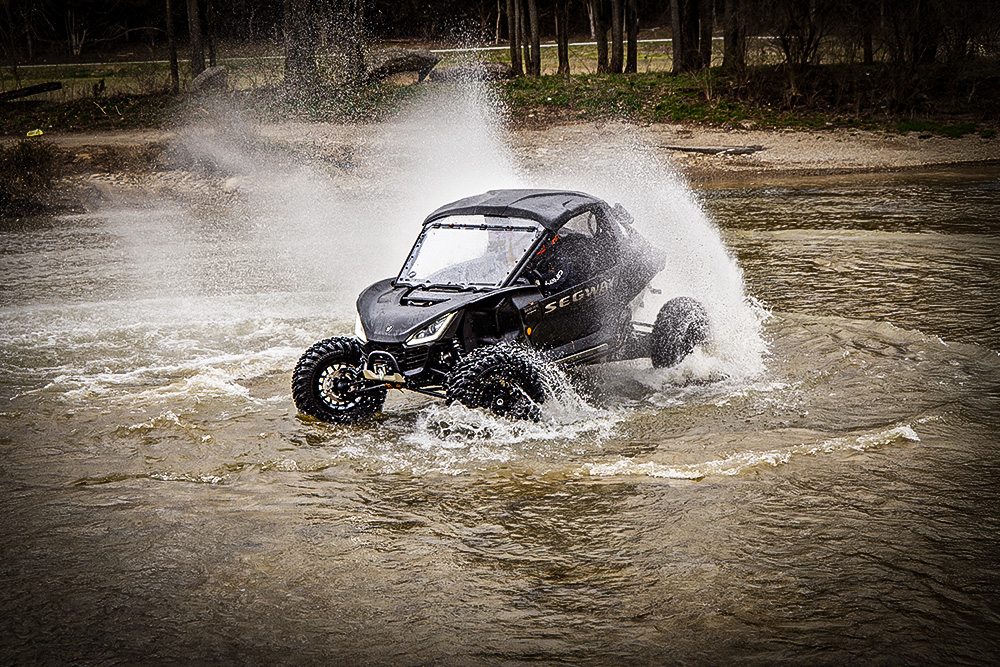
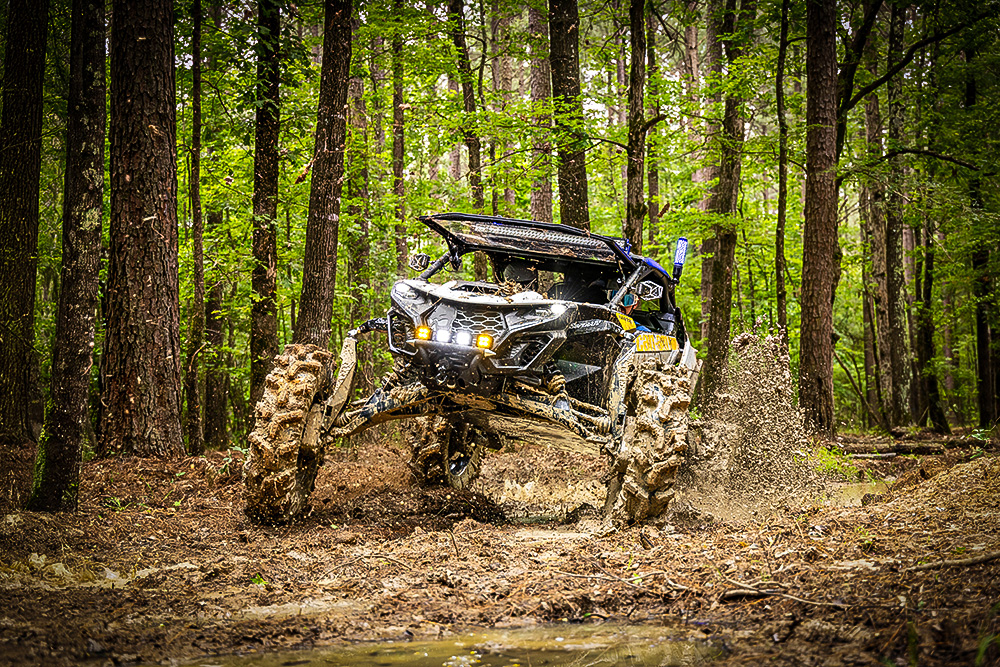

Photo: Brett Phifer.
Because as unfamiliar as they may seem, they’re actually familiar and intuitive. They’re built like trucks and cars, except the parts are packaged in a slightly different way. They all have four tires and wheels, and you know how those work. (They’re almost always devoid of TPMS parts, too, which is a nice bonus.) Their not-meant-for-highways nature means these vehicles are largely devoid of much of the safety and emissions equipment that clogs a modern engine bay and complicates repair.
The standard principles of RWD or, more commonly, 4WD layouts apply. Suspension, steering, brake, and most engine tune-up and maintenance tasks are immediately intuitive to a good auto mechanic. CV shafts are CV shafts—the ones in a side-by-side are just shorter. Much like a kei truck or a gray-market vehicle, they’re close enough to regular cars that you probably won’t get hung up if you stay out of heavy repair work like engine and transmission overhauls. For simplicity’s sake, you’ll likely want to stick to the more work-focused models, as they are usually laid out like popular automotive fleet vehicles: typical in their repair and earnest in their existence. Owners also tend to be pragmatic about them—they just want them to get the job done. Rarely will you have someone obsessing over the finish on a vehicle that’s color is “camo.”
You’ll also find that most brands of side-by-side are serviced by tractor suppliers (Kubota, Deere) or motorcycle shops (Honda, Yamaha). They can often be overwhelmed with work and customers frequently seek reliable service from anyone who can and will perform it. (Any port in a storm, eh?)
Because those dealers are generally not far, you can almost always source and install OEM parts confidently, just as if you were servicing a Ford or a Toyota. But there’s also a healthy aftermarket, too. In fact, Dorman has a division dedicated to parts exclusively for these specialty off-road machines, and others exist as well.
And customers both need and love accessories, too. Blinding LED light arrays, winches, audio systems, cab enclosures, plows, roof racks, skid plates, and nerf bars are just a taste of some of the items customers want installed on their rigs for work and for play. And your shop can do this work!
The parts usually require familiar mechanical and electrical installations that might be daunting to a customer who isn’t a wrench, but they’re usually a piece of cake for a dedicated car or light truck mechanic. And because many of these model-specific accessories are intended for installation either by gung-ho DIYers or multi-line OEM mechanics who might be working on vehicles as diverse as personal watercraft, sleds, motorcycles, and scooters, the instructions are almost always very, very thorough. You won’t be able to mark those parts up very far, but the generous labor (which usually isn’t governed by an easily-accessed labor guide) more than makes up for it and might keep your techs working when it’s slow.
Speaking of which, that’s also an important final reason to consider servicing these vehicles. While some customers do rely on these vehicles running at all hours of the day, many who are using them recreationally at hunting camps and remote properties can often drop them off and wait until you have a little breather in the schedule to work on them. Additionally, if you stick to those work-focused models as discussed, you may find you can earn fleet business, like your local township’s parks department or maybe a business or educational facility with a small fleet of groundskeeping vehicles, the bonus being they’re usually the same make and model. Learn to work on one of them, and all the rest are a cinch
The easiest way is to see what your existing suppliers offer in terms of parts. Most major auto parts retailers stock a healthy selection of powersports batteries, filters, and spark plugs. Other items like fluids, drain plug crush washers, and lights (both replacement bulbs and aftermarket add-on accessory assemblies) are shared with the automotive world.
Unless you’re a captive tire dealer, odds are excellent your tire supplier has access to lots of tires (and maybe accessory wheels) that are appropriate for side-by-sides. Some study is required here—tread patterns are different from cars and highly use-specific, speeds are lower, pressures are vastly different, and interpreting wear patterns all require some experience, but there’s only one way to get it.
If things go well, you may find it beneficial to develop a relationship with the local dealers in your area for the makes that seem popular with your customers. But you already knew that, of course.
If you can obtain parts, there’s little risk in common jobs like wheel bearing replacements or steering and suspension work. Because of the lower speeds and less-sensitive operators, these vehicles are great to get your younger techs training in how things like alignment settings affect real-world handling. Brakes, tune-ups, and fluid exchanges are all right up your alley. The only part that will feel a bit foreign is how little the parts and fluid capacities are on some models relative to the average sedan or pickup truck.
Part of keeping your numbers up means keeping a good mix of work, including high-profit, fast-turn revenue. These won’t be lightning-fast turns, especially at first as your shop gets its feet wet and you find yourself running to fetch parts from dealers who may not be set up to deliver to you, but if you’ve got tons of heavy diag or drivetrain overhauls, this business can help even out the mix and keep newer or avid-but-slower technicians earning for you.
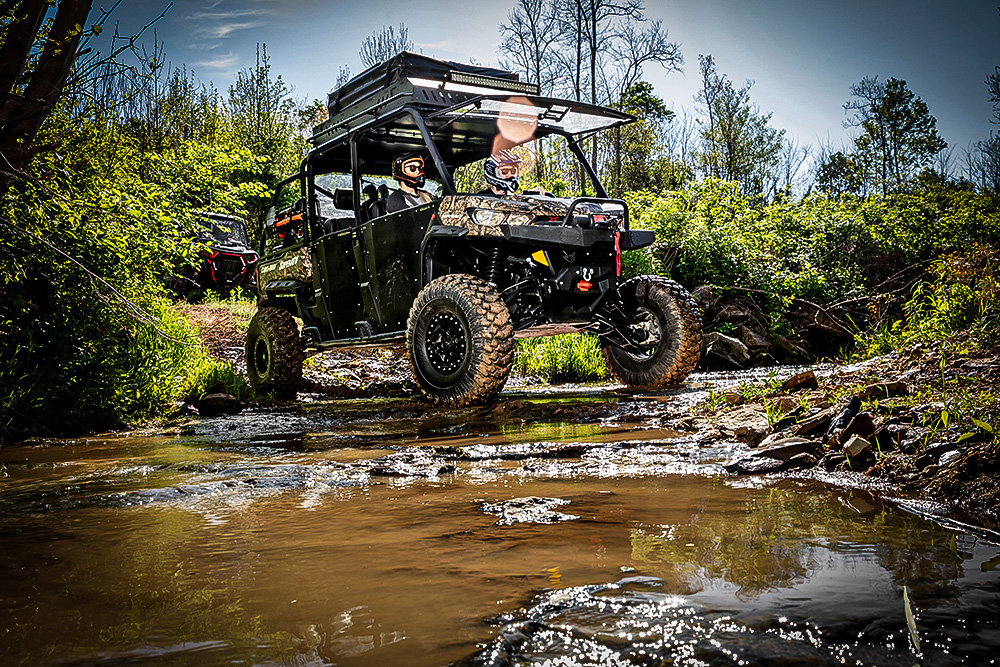


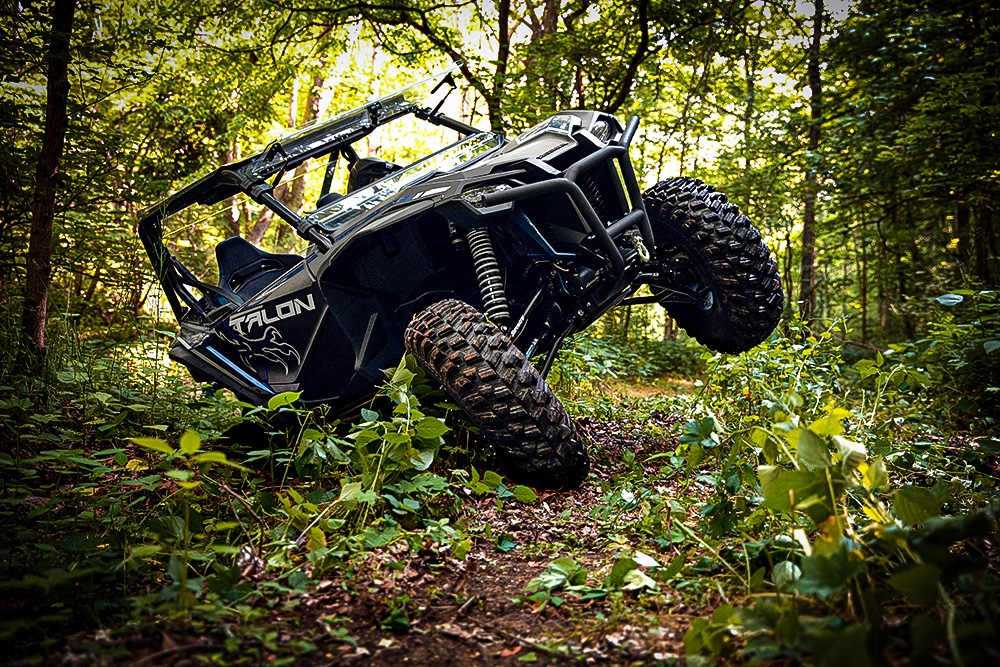
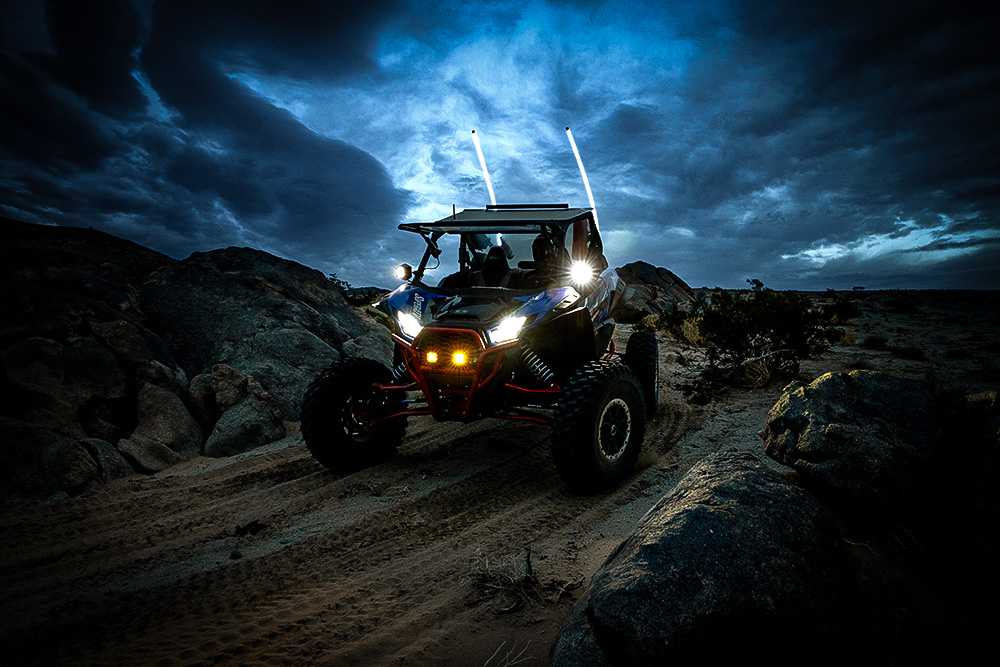
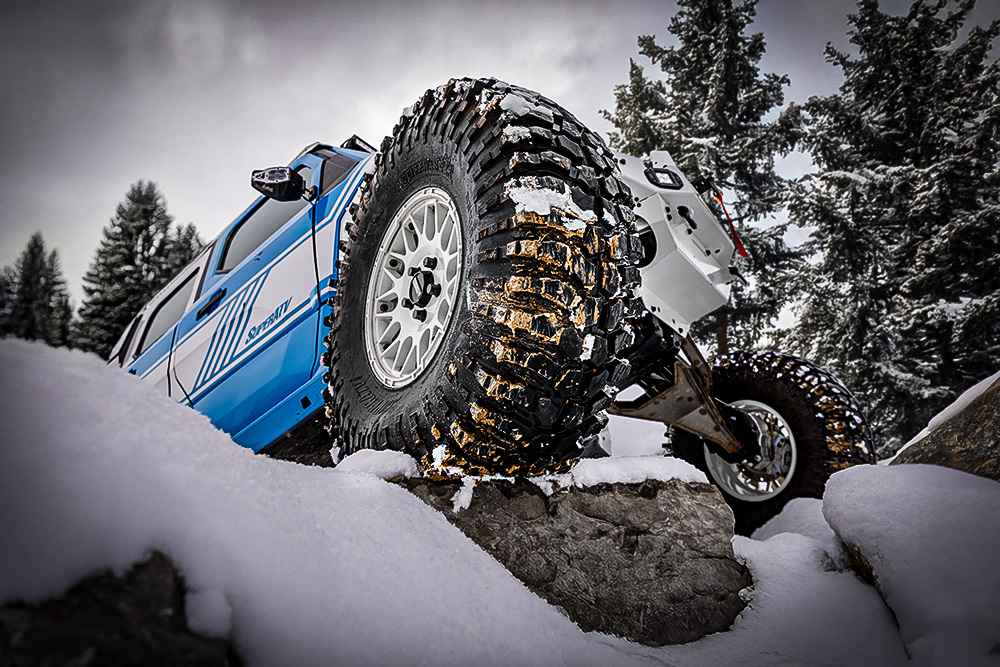
Photo: Michael Felletter.
Work on non-automotive vehicles isn’t for every shop. But the size, simplicity, and paucity of competent techs to service these vehicles means your shop can carve out a little niche servicing these if it’s a good fit. Get your writers and techs together and talk through this potentially lucrative side (by side) business if it sounds appealing.
The articles and other content contained on this site may contain links to third party websites. By clicking them, you consent to Dorman’s Website Use Agreement.
Maybe there’s a reason “upsell” has become a dirty word—and it might be your fault.
Do you favor margin or revenue?
Customers don’t realize it needs attention. Sadly, many mechanics don’t, either.
Casual communication can have formal consequences.
If you have to have them in the shop, endeavor to make politics polite.
Real estate is an investment—make yours start earnin’.
Participation in this forum is subject to Dorman’s Website Terms & Conditions. Please read our Comment Policy before commenting.