Maybe there’s a reason “upsell” has become a dirty word—and it might be your fault.

Service Writing Tip: Justify Your Recommendations
read more



Maybe there’s a reason “upsell” has become a dirty word—and it might be your fault.
When was the last time you rolled down the power windows in an older car or truck?
I’m talking at least pre-2000. The older, the better. As a passenger, you’ll find that every door has a mix of buttons, switches, locks, and handles to mess around with, plus maybe a crank or a flip-top ashtray depending on the vintage. These controls vary considerably from one older vehicle to another. Rockers, knobs, sliders, toggles; you name it, somebody tried it. (Power windows have been around since the early 1940s, after all!)
Every manufacturer had its own style and personality installed around the doors and cabin, even among the lowliest economy cars.
Now look at the passenger window controls in any recent vehicle. The layouts are basically the same, regardless of make or model. If that homogeneity feels boring to you, that’s because these switches are required to be boring. Which is to say, safer and less likely to allow unwanted opening and closing of the windows. Window control safety regulations leave manufacturers with one main switch layout, and it’s here to stay.
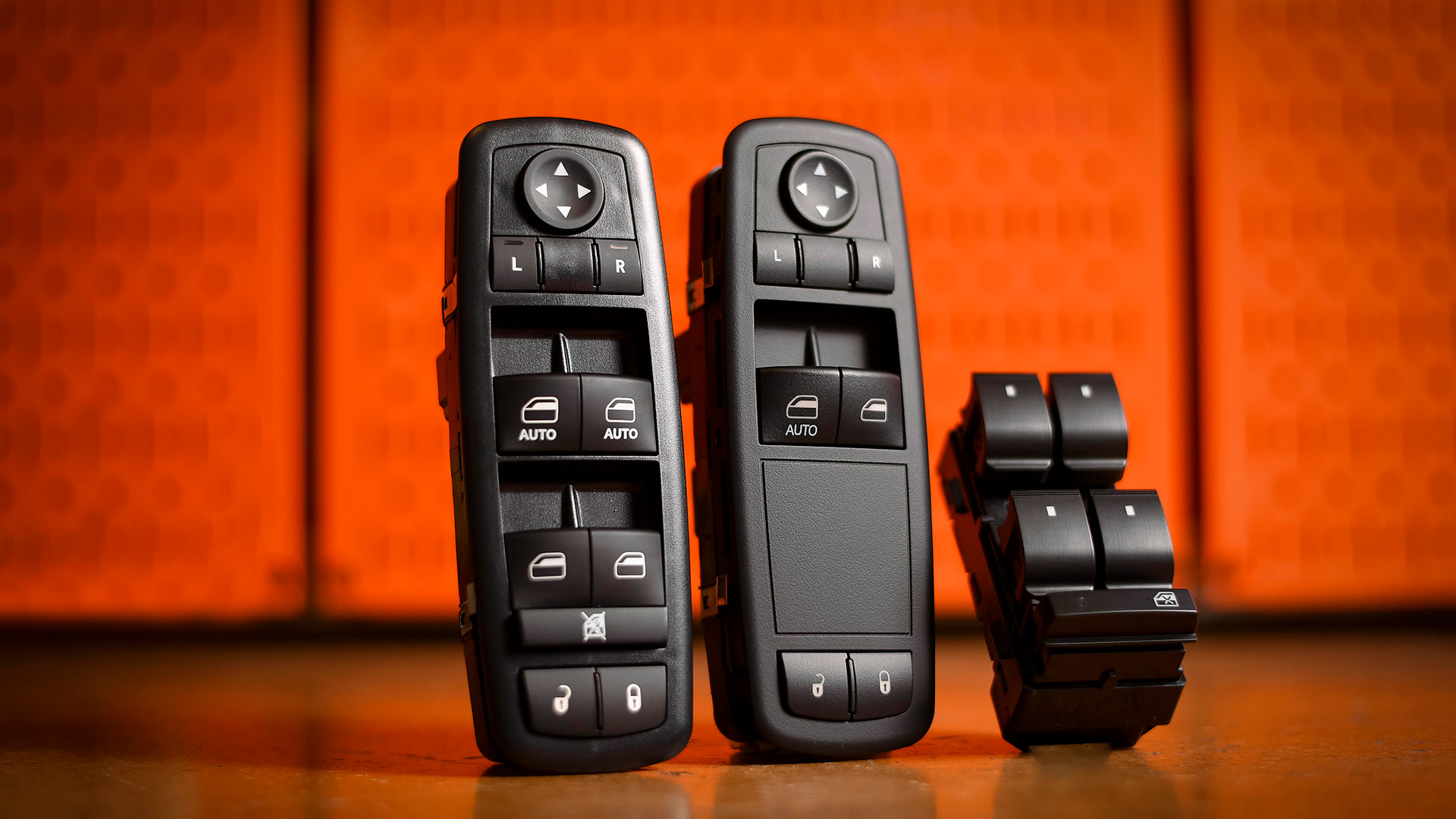
Photo: Mike Apice.
Modern regulations didn’t arise out of stylistic preference but out of a long history of injuries, especially involving children. Early power windows could be opened or closed by a simple downward push or sideways toggle, and that easy activation created real risks for small passengers who didn’t understand the force of a rising pane of glass … or the danger of opening a window in a vehicle traveling at speed. A child leaning, stepping, or playing near the controls today is far less likely to unintentionally close a window on themselves or someone else. Plus, driver-controlled window lock controls are now mandated.
One of the most important design changes is the requirement that closing a window demands an intentional upward pull. This motion is harder to activate by accident, and it’s also less likely to be triggered by a child or pet. Regulators settled on this directionality because it forces the user to grasp or hook the switch rather than simply press it, adding a layer of physical intention that older designs lacked. Late model vehicles also integrate anti-pinch motor technology, which will automatically retract a closing window if resistance is detected between the glass and the window frame.
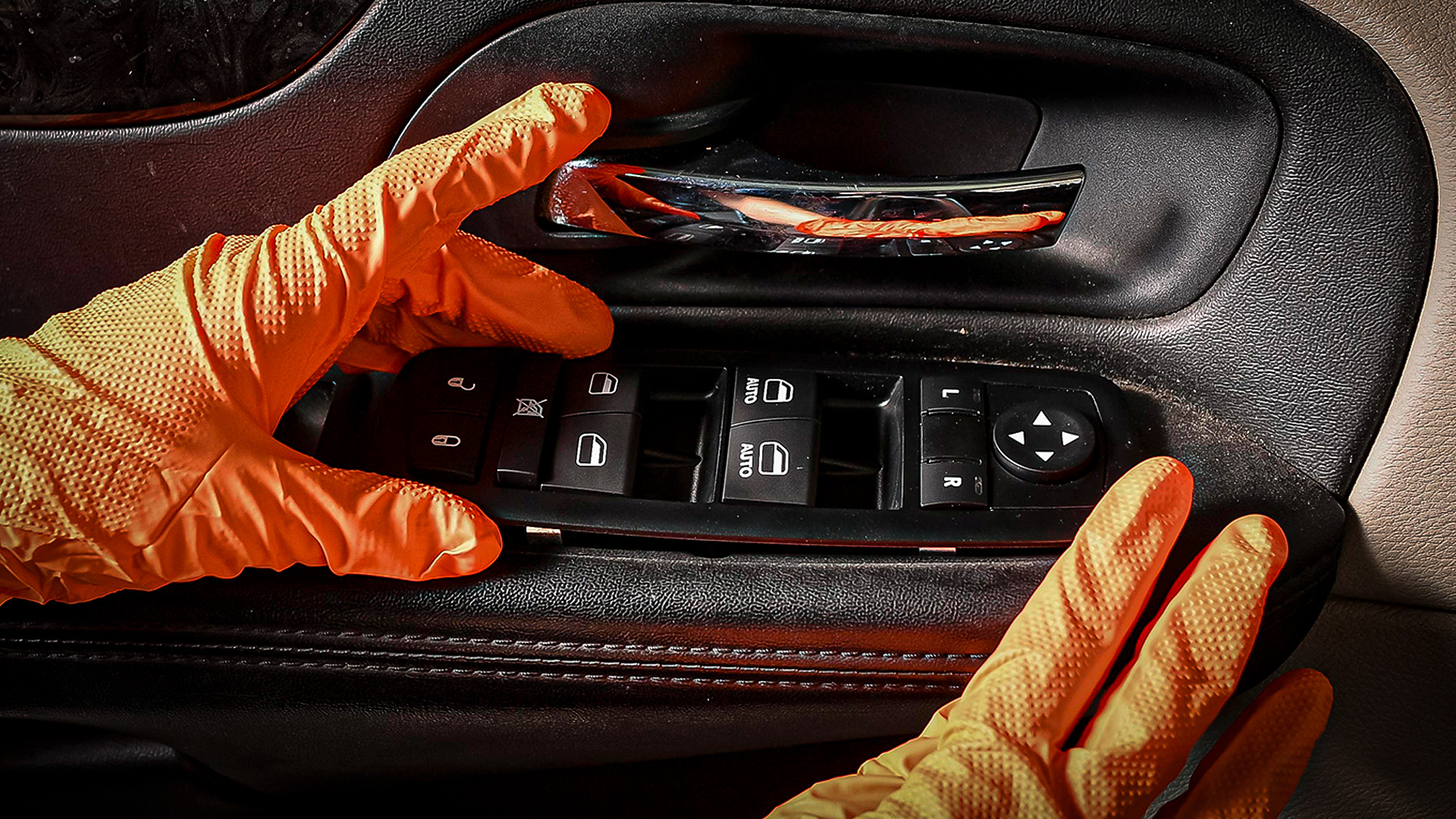
Photo: Mike Apice.
Just as crucial is the now-standard flush switch top. Instead of protruding knobs or rocker-style buttons, modern switches sit nearly level with the surrounding trim. That low profile makes it difficult for loose cargo, grocery bags, or even an excited dog to press down on the switch and lower the window. Manufacturers learned that anything sticking up from the door panel could be bumped or leaned on, so the safest solution was to minimize the switch’s physical presence while keeping it easy for a human hand to locate by feel. (After all, it may be necessary to open a window in an emergency!)
Together, these features create a kind of universal design language that is not bound by brand identity. Automakers may differentiate their vehicles with lighting, materials, or software, but when it comes to window switches, they’re effectively locked into the only compliant arrangement.
The result might look dull to anyone nostalgic for the quirky interiors of older cars, but improved safety and prevention of avoidable harm are well worth the tradeoffs.
The articles and other content contained on this site may contain links to third party websites. By clicking them, you consent to Dorman’s Website Use Agreement.
New techs and DIYers should know that not all spark plugs are created, or treated, equally.
Get up to speed on a safety feature not often seen in the United States.
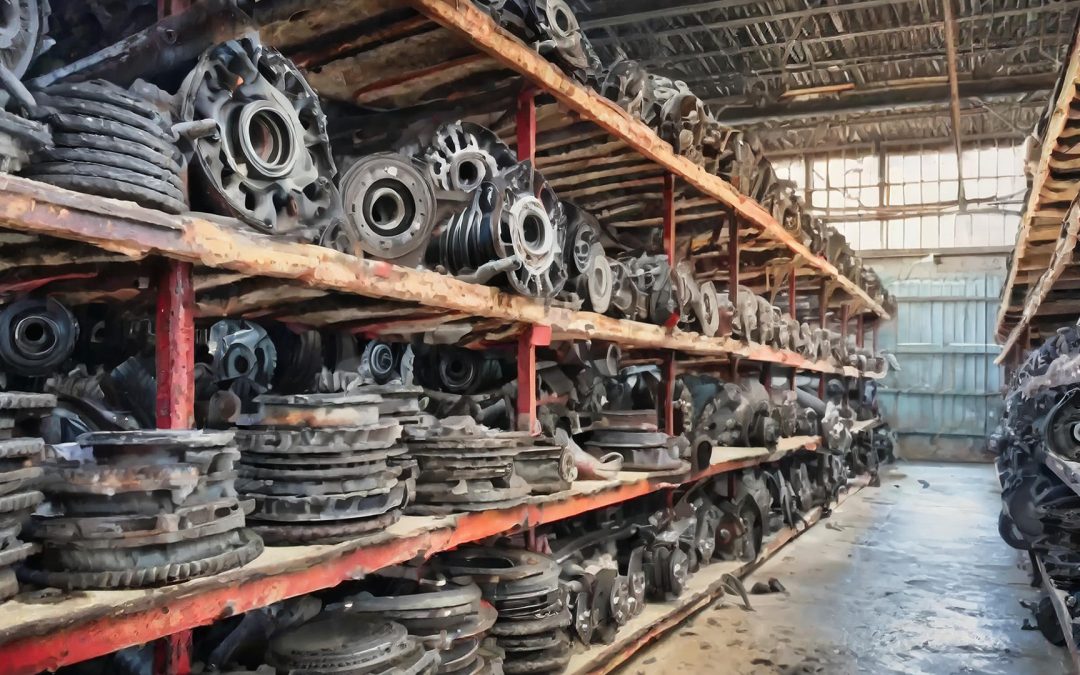
A little glimpse into the world of making old parts new.
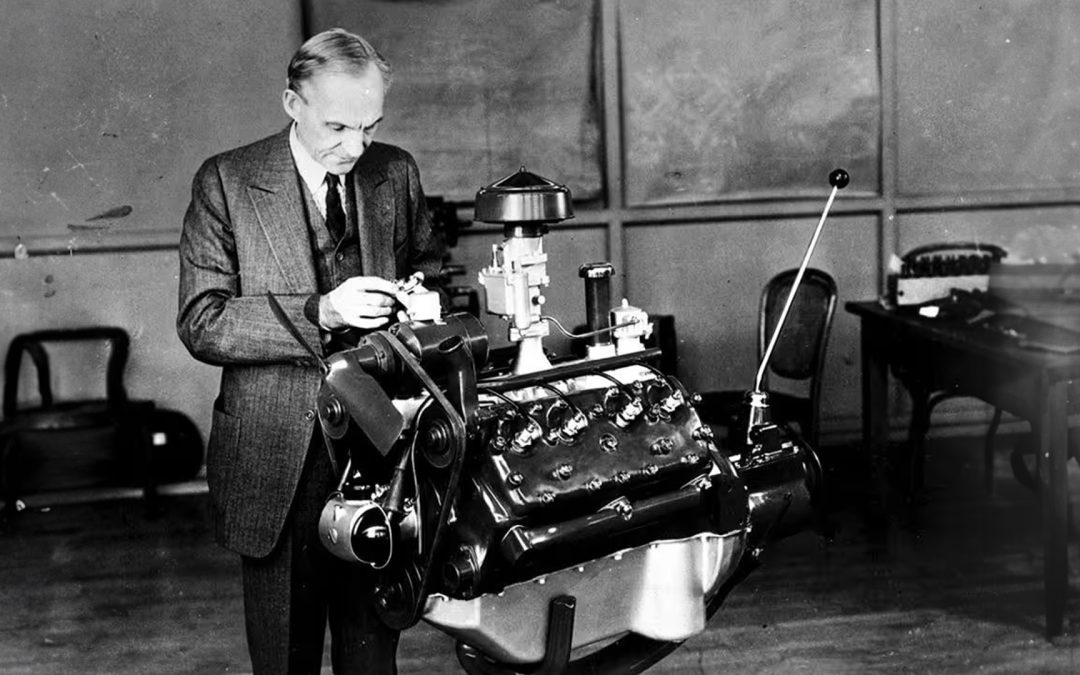
Ford made a V-8 engine affordable to the mass market consumer for the first time.
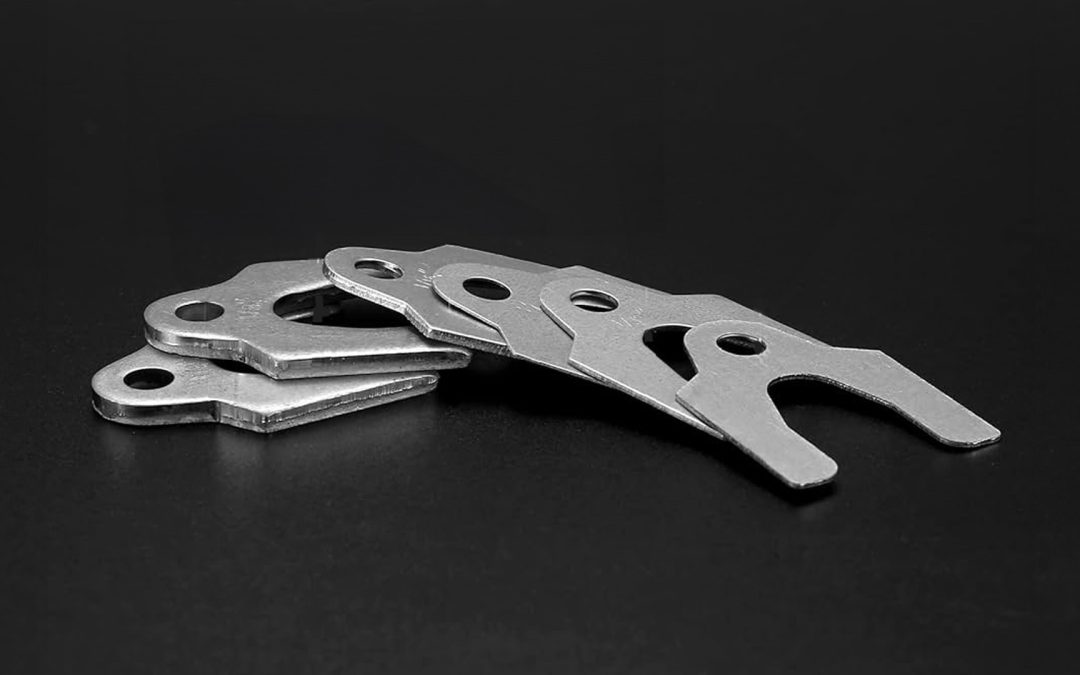
There are applications for shims besides fixing camber and panel gaps.
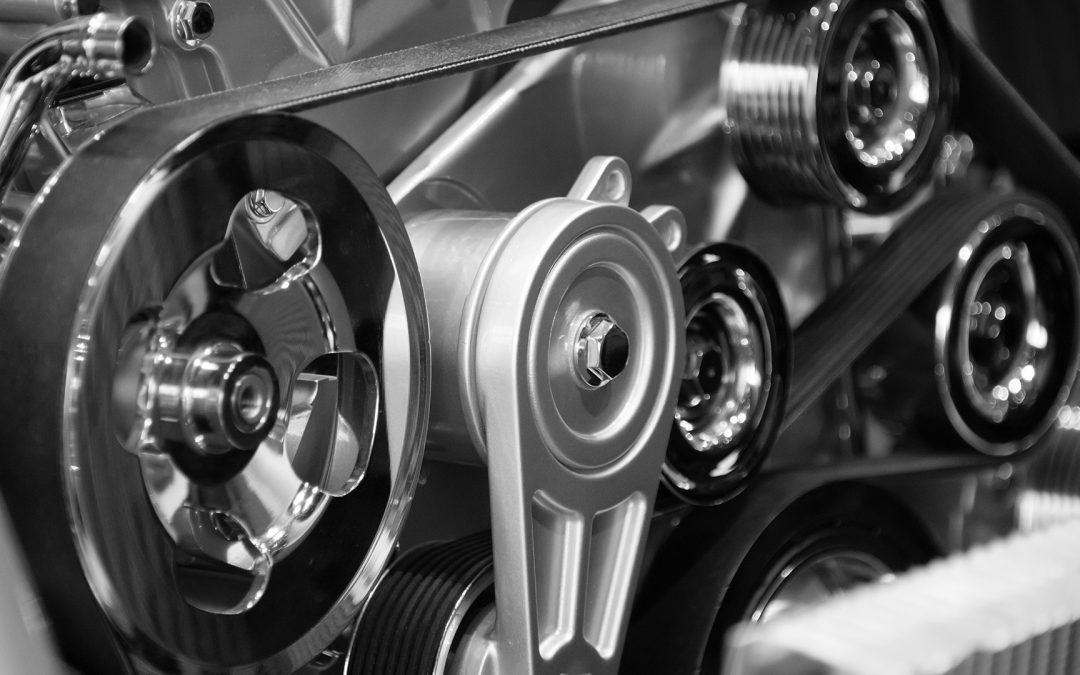
Accessory belt drive evolution can provide some clues for the most efficient way to get a customer back on the road.
Participation in this forum is subject to Dorman’s Website Terms & Conditions. Please read our Comment Policy before commenting.