Maybe there’s a reason “upsell” has become a dirty word—and it might be your fault.

Service Writing Tip: Justify Your Recommendations
read more



Maybe there’s a reason “upsell” has become a dirty word—and it might be your fault.
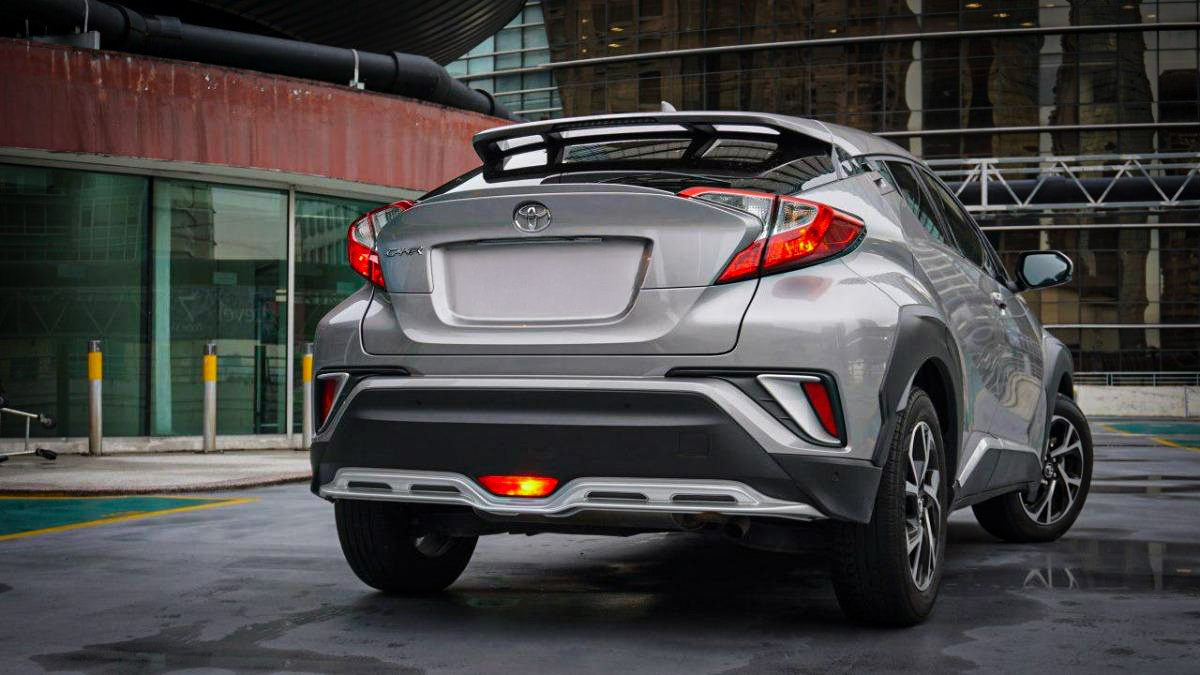
In low-visibility conditions, most motorists know to turn on their front-facing fog lights. Of course, their use isn’t limited to fog. Snow, heavy precipitation, wildfire smoke, and dust storms are all good reasons to bring some more light to bear on the road ahead, simultaneously increasing visibility to drivers in the opposing lane. But what about drivers behind you? Rear fog lights are for increasing your rearward visibility in the same kinds of conditions where you’d flip on your front fogs.
Unlike front fog lights which can be white or yellow, rear fog lights are always red. They can be integrated with the main tail light clusters, or they can be mounted in other parts of the back of a vehicle. When driving in low-visibility conditions, these bright beacons give trailing drivers a better point of reference and a reminder to add following distance to help avoid entanglements.
Now here’s the tricky part: sometimes only one of the rear fog lights will illuminate… and that’s normal! The other rear fog light may just be a dummy to make the vehicle look symmetrical from the back. You can see how this could turn into a frustrating experience for a customer or mechanic here in the US who might be unfamiliar with rear fogs, let alone the fact that only one may be required to function. That lone light can look like a stuck brake switch or a malfunctioning dual-intensity bulb. Diagnostics of the tail light electrical system will result in a dead end if the mechanic doesn’t know that there is another system at play. Don’t be fooled!
Rear fog lights are generally considered a “European thing” here in the US, although they can be found in many other parts of the world. In fact, they are required by law as standard equipment on any new vehicles sold in countries that have adopted UN Regulation 48 for vehicle lighting. SAE J1319 also details the specifications and functions of rear fog light systems, but all you need to know is that neither standard is mandated in the US. And that can lead unfamiliar US drivers to unknowingly breaking the most important rule of rear fog lights.
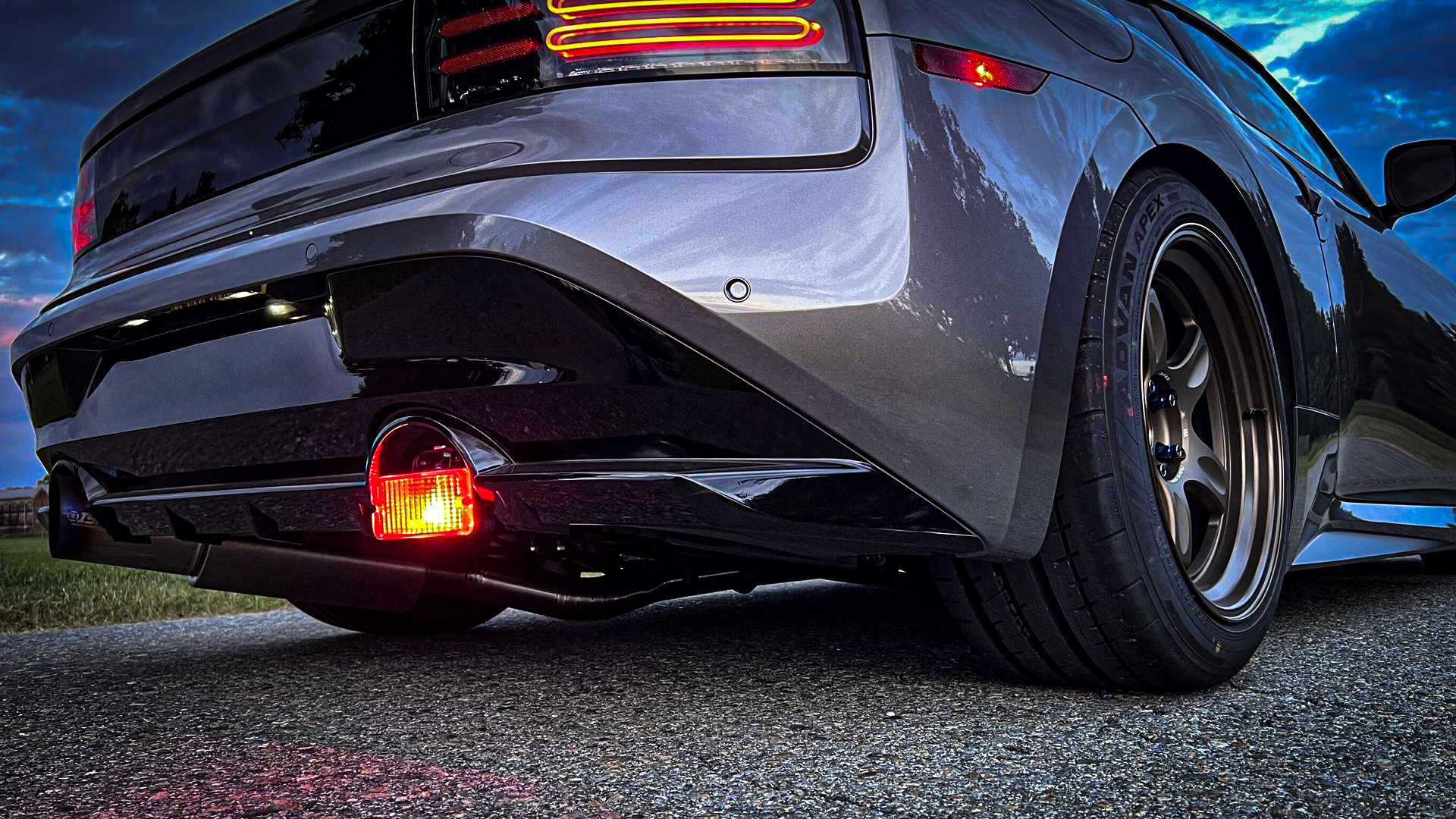
Rear fog lights kick out a lot of light to pierce through bad weather. That’s not helpful in everyday driving. Some rear fogs can be bright enough to annoy or distract drivers at your six in clear road conditions. In places where they are uncommon, rear fogs can also confuse other drivers because they might look like activated brake lights.
Another issue: sometimes these lights are accidentally left on after visibility improves. US drivers might also turn on their rear fog lights by mistake because the rear fog light symbol looks just like the one for the forward-facing lights… Except that the icon is flipped to point right instead of left. It’s an easy mistake to make, and most folks probably won’t notice the extra illumination behind their own vehicles.
So if you or one of your customers has a strange extra fog light button, take a closer look and learn how to use rear fog lights. And remember that once visibility clears beyond 100 yards (or meters, for the Europeans and our other metric friends), it’s probably best to turn them off and motor on.
The articles and other content contained on this site may contain links to third party websites. By clicking them, you consent to Dorman’s Website Use Agreement.
New techs and DIYers should know that not all spark plugs are created, or treated, equally.
Window buttons and toggles are going the way of the dodo. That’s by design.
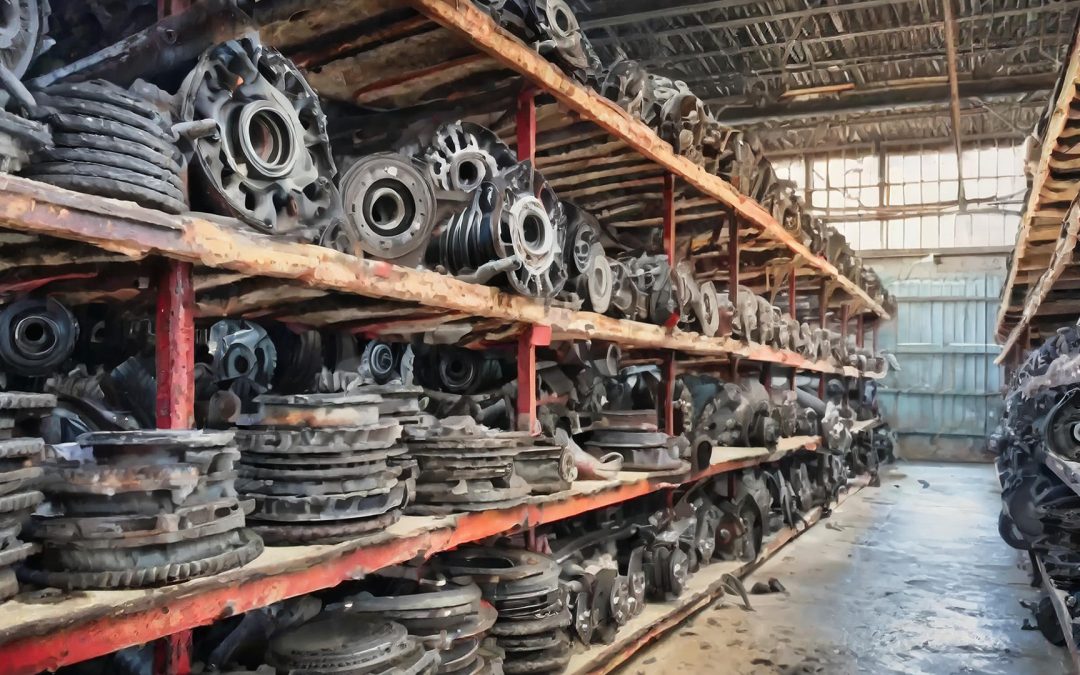
A little glimpse into the world of making old parts new.
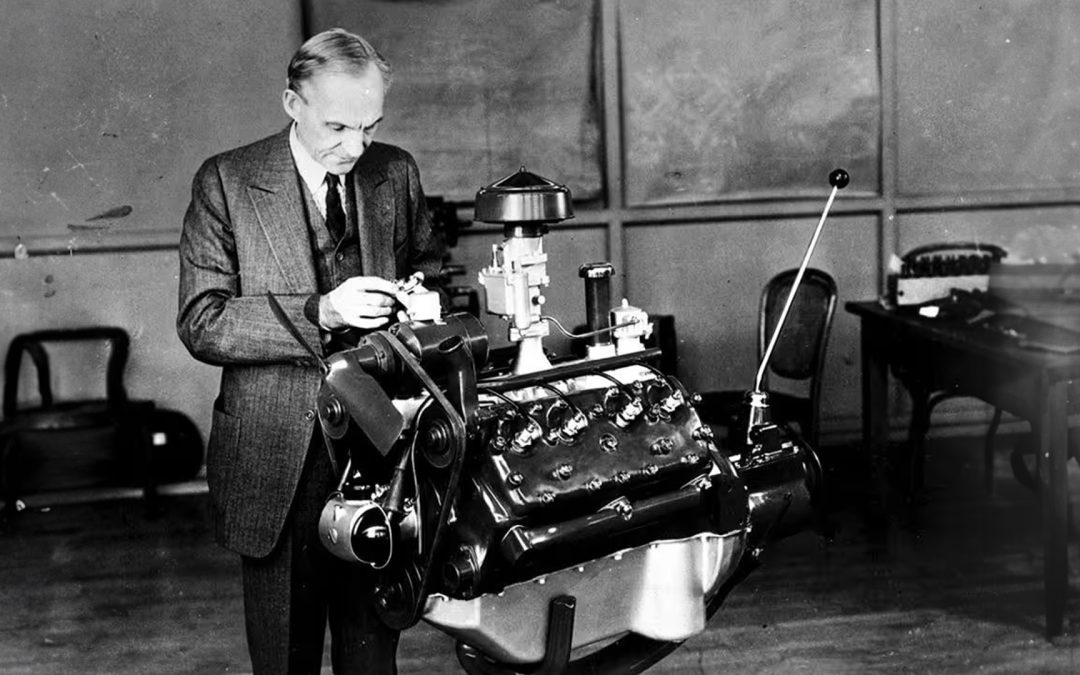
Ford made a V-8 engine affordable to the mass market consumer for the first time.
There are applications for shims besides fixing camber and panel gaps.
Accessory belt drive evolution can provide some clues for the most efficient way to get a customer back on the road.
Participation in this forum is subject to Dorman’s Website Terms & Conditions. Please read our Comment Policy before commenting.